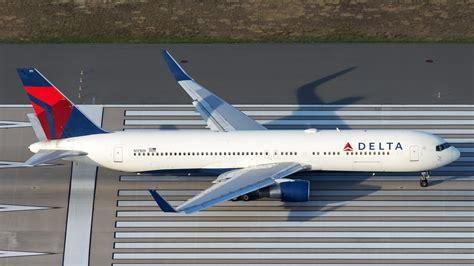
Delta Air Lines has launched a strategic global expansion by announcing three new long-haul international routes, reigniting its transpacific and Middle Eastern ambitions. The new services will connect Los Angeles to Hong Kong, Atlanta to Tel Aviv, and Atlanta to Riyadh, reflecting a comprehensive effort to recalibrate Delta’s international strategy and capitalize on rising intercontinental demand.
Delta Reenters Asia-Pacific with Nonstop Service from Los Angeles to Hong Kong
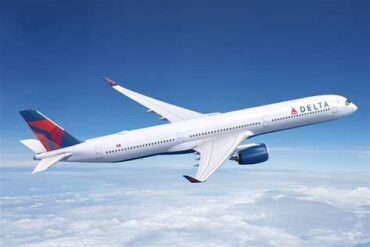
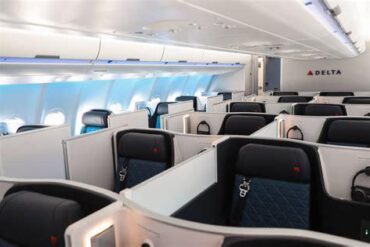
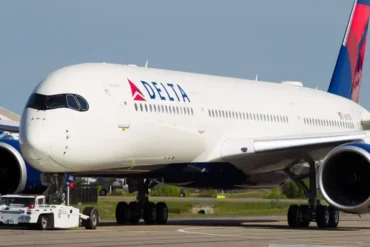
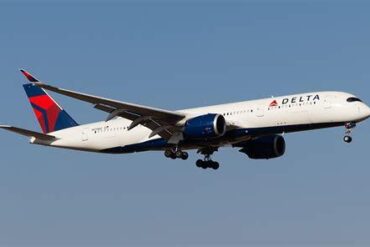
Delta’s return to Hong Kong International Airport (HKG) from Los Angeles International Airport (LAX) marks a critical reentry into one of Asia’s key financial and commercial centers. After suspending operations in 2018, Delta will resume this high-stakes transpacific route using the Airbus A350-900, a modern long-range aircraft optimized for fuel efficiency, premium cabin experience, and extended haul operations.
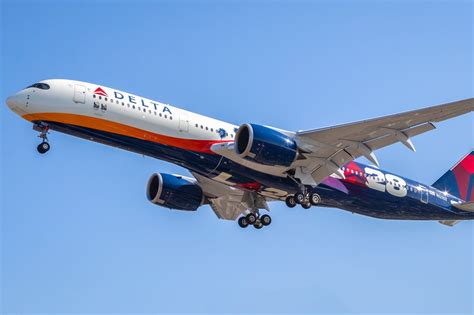
The 7,200-mile route represents more than just a geographic connection—it is a calculated move to tap into renewed demand between the U.S. West Coast and Greater China. What sets this relaunch apart is the shift in Delta’s Asia gateway: previously operating from Seattle, Delta now opts for its more robust and better-connected hub in Los Angeles.
The choice of LAX offers substantial strategic advantages. With over 150 daily departures, deep domestic connectivity, and a large Asian-American demographic base, Los Angeles provides significantly better feeder traffic and premium cabin demand compared to Seattle. The previous Seattle-Hong Kong route struggled with low yield and limited connecting traffic, factors that contributed to its cancellation.
Yet, reentering the LAX–HKG market is no easy task. Cathay Pacific currently dominates the route with three daily flights, and United Airlines maintains a strong presence as well. Unlike its competitors, Delta lacks a broad alliance network in Asia, especially in Hong Kong, limiting its ability to cater to transit passengers heading beyond the city.
Instead, Delta will rely heavily on origin-and-destination traffic, leveraging its LAX hub’s premium product, cargo capacity, and the draw of nonstop service for both business and leisure travelers. The challenge will be to differentiate against entrenched players while building loyalty in a market that has long eluded consistent U.S. competition.
New Middle East Connections: Atlanta to Tel Aviv and Riyadh
Simultaneously, Delta is making a landmark move by expanding its footprint into the Middle East. The airline will launch nonstop service from Atlanta Hartsfield-Jackson (ATL) to both Tel Aviv (TLV) and Riyadh (RUH)—a dual-pronged expansion into geopolitically and economically pivotal destinations.
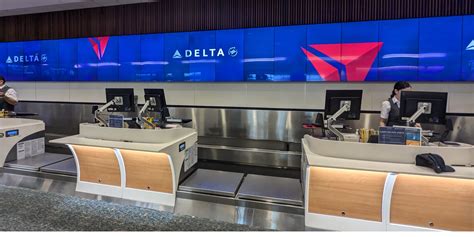
The Atlanta to Tel Aviv route offers the Southeastern United States direct access to Israel’s thriving tech and business sectors, along with its deep cultural and religious ties. Previously underserved by Delta, this connection allows the airline to tap into a steady stream of corporate, VFR (visiting friends and relatives), and faith-based travelers.
The Atlanta to Riyadh service is even more consequential. It marks Delta’s first-ever entry into Saudi Arabia, giving it a front-row seat to the country’s transformation under the Vision 2030 initiative—a plan by the Saudi government to diversify the economy and boost tourism.
Historically, U.S. carriers like Delta have been reluctant to engage with Gulf markets, particularly due to their long-standing opposition to state-backed carriers perceived to receive unfair subsidies. This launch signals a strategic pivot. Delta is expected to collaborate—perhaps closely—with Saudi-backed airline partners, showcasing a willingness to abandon prior hostilities in favor of commercial pragmatism and growth.
Diplomatic and Operational Implications
Launching flights to Riyadh is about more than route economics. Operating in Saudi Arabia involves a complex blend of logistical challenges, cultural awareness, and crew safety protocols. The country maintains conservative laws and norms that affect crew layovers and working conditions, making it imperative for Delta to approach operations with sensitivity and preparation.
Transparency in addressing these issues is essential. Delta must ensure its workforce, especially female and LGBTQ+ crew members, are provided with safe, equitable conditions when assigned to Middle Eastern routes. The reputational risks of missteps in this area are significant, but successful navigation can also elevate Delta’s standing as a globally responsible carrier.
Beyond Geography: A Tactical Shift in Delta’s International Strategy
While the three new routes—Los Angeles to Hong Kong, Atlanta to Tel Aviv, and Atlanta to Riyadh—are geographically diverse, they are tactically unified. Each route reflects a deliberate shift in how Delta views and executes its global expansion. Rather than broadly restoring pre-pandemic networks, the airline is focusing on gateway alignment, aircraft efficiency, and geopolitical opportunity.
Delta’s embrace of the Airbus A350-900 is central to this strategy. The aircraft’s operational efficiency allows Delta to enter thin but high-value markets without the weight of overcapacity. This nimbleness gives Delta an edge when venturing into contested skies, where demand must be cultivated rather than expected.
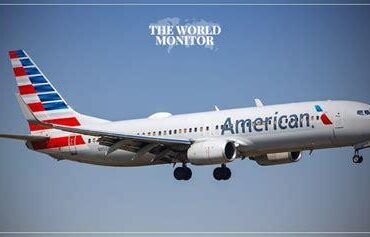
At the same time, the relocation of Asian operations from Seattle to Los Angeles and the Middle Eastern expansion via Atlanta showcase the airline’s new reliance on hub strength rather than market experimentation. These moves are not just route launches—they’re signals of how Delta intends to challenge United, American, and international rivals across long-haul sectors.
Competitive Headwinds and Market Realities
Despite the momentum, Delta faces considerable headwinds. The LAX–HKG corridor remains ultra-competitive. Without a strong Asian partner airline, Delta will be excluded from the kind of intra-Asia connecting opportunities enjoyed by the Star Alliance (United) and Oneworld (American–Cathay Pacific).
Meanwhile, Riyadh remains an untested destination for U.S. airlines. While the Saudi government is pushing to modernize its image and attract investment, public perception, travel advisories, and complex visa processes may continue to dampen potential.
Furthermore, Delta’s success will depend on cargo demand—particularly out of Hong Kong—and its ability to market premium cabins amid rising airfare volatility. Any signs of underperformance could risk abrupt exits, as seen in past efforts across Asia and the Middle East.
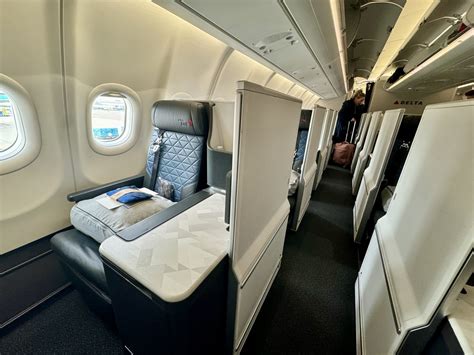
The Broader Picture: Delta’s Road to Global Relevance
These new routes are not just about geography. They reflect Delta Air Lines’ evolving global identity. As the post-pandemic international aviation market becomes increasingly fragmented and competitive, airlines must deploy their assets where they can yield the highest returns, build customer loyalty, and leverage economic trends.
By returning to Hong Kong, penetrating Tel Aviv, and betting on Riyadh, Delta is planting flags on some of the world’s most consequential aviation frontiers. Each route represents a calculated risk backed by network realignment, fleet deployment strategy, and a nuanced understanding of shifting global travel patterns.
While success is far from guaranteed, this ambitious expansion effort reflects the airline’s larger goal: to become not just a top U.S. carrier, but a credible global player with strategic vision and operational adaptability.
Conclusion: A New Chapter in Delta’s Global Playbook
Delta Air Lines is not merely recovering from a challenging era—it’s redefining its place on the global map. With these newly announced routes, the airline signals that it’s ready to go beyond rebuilding and start reshaping the long-haul travel narrative.
From the transpacific lanes of Los Angeles to the spiritual capital of Tel Aviv and the rising powerhouse of Riyadh, Delta is betting on a new international reality. A reality where flexibility, partnerships, cultural intelligence, and smart network design will determine who soars and who stalls.
If executed with the precision and foresight that Delta seems to be harnessing, this triad of launches could mark the beginning of a new global ascent.