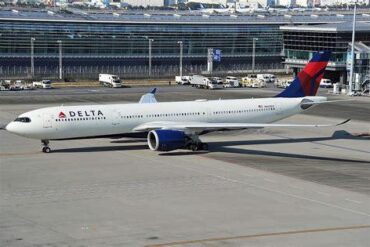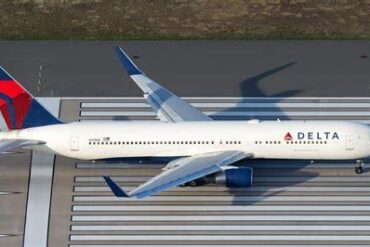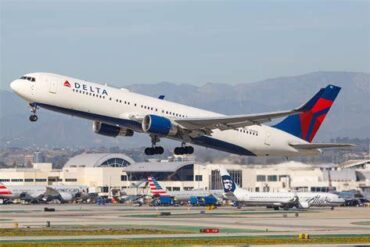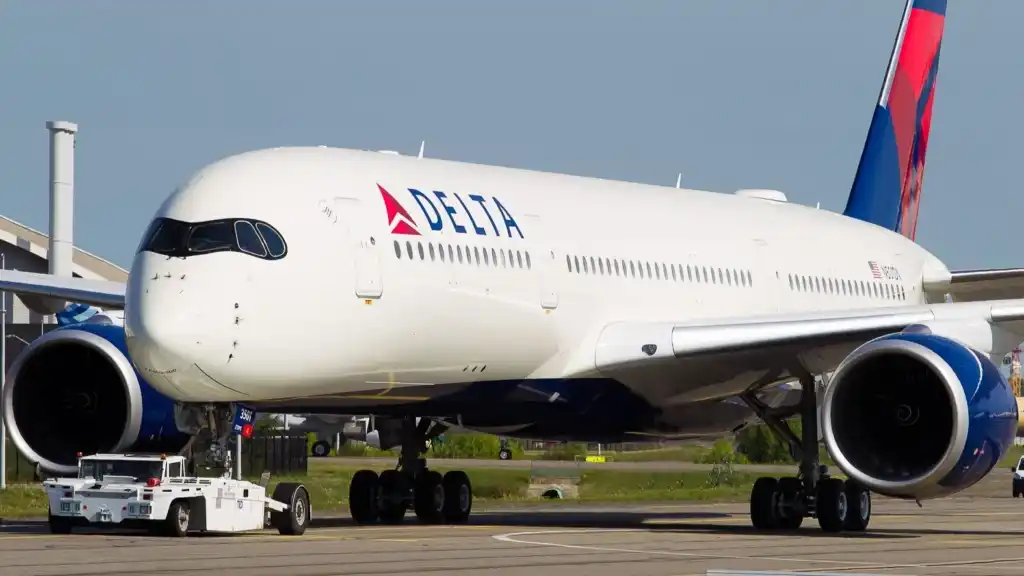
After an eight-year hiatus, Delta Air Lines is making a dramatic return to the Hong Kong market, heralding a new era for trans-Pacific aviation. With the launch of its highly anticipated nonstop service between Los Angeles International Airport (LAX) and Hong Kong International Airport (HKG), Delta is not only reconnecting two global metropolises but also reasserting the United States’ leadership in aviation innovation and long-haul connectivity. This strategic relaunch underscores the airline’s renewed focus on Asia-Pacific markets and sets the stage for intense competition in one of the world’s most lucrative air corridors.
Delta’s Strategic Reentry: A Calculated Revival of U.S.-Asia Connectivity
Delta’s decision to reenter the Hong Kong market comes at a critical juncture. The airline had exited the route in 2018, shifting much of its Asia-Pacific focus to Seoul Incheon (ICN) via its joint venture with Korean Air. But the landscape has since evolved. A post-pandemic resurgence in global travel demand, coupled with shifting passenger preferences for direct flights, has prompted Delta to recalibrate its trans-Pacific strategy. By targeting Hong Kong — still a powerful financial and trade hub — Delta aims to capitalize on a market recovering from both geopolitical and pandemic-related setbacks.
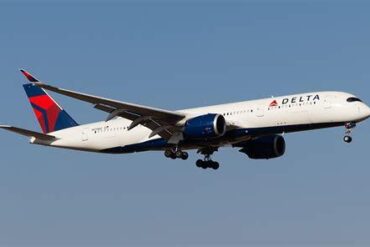
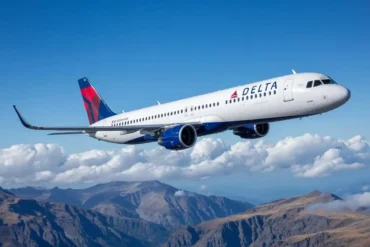
The Los Angeles to Hong Kong route spans approximately 7,260 miles (11,684 km) and will be served by the ultra-modern Airbus A350-900, a long-range aircraft prized for its fuel efficiency, quieter engines, and elevated passenger experience. Though Delta has not confirmed an exact launch date or flight frequency, industry insiders suggest a formal announcement is imminent.
The Competitive Terrain: Entering a Crowded Market with Precision
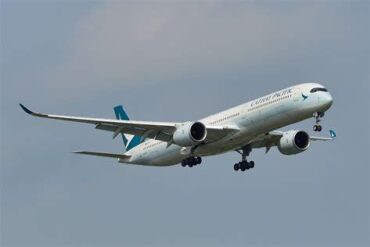
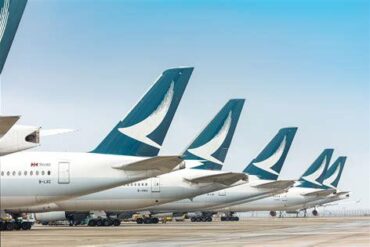
Delta’s reentry into the LAX-HKG corridor is not without formidable competition. United Airlines currently operates two daily nonstop flights on this route, while Cathay Pacific dominates with three daily services backed by a vast regional network and strong oneworld alliance partnerships. These carriers possess entrenched market positions and greater intra-Asia connectivity — a strategic advantage Delta currently lacks.
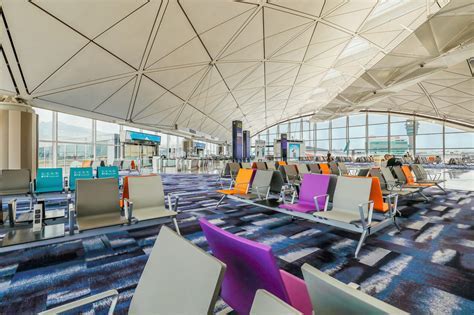
Despite these challenges, Delta is banking on its powerful U.S. domestic feed from LAX, where it runs over 150 peak daily departures, to funnel traffic onto its new Hong Kong service. This approach emphasizes point-to-point convenience over regional interlining, a bold bet that suggests Delta sees untapped demand among Southern California’s vast population of Asia-bound travelers.
Shifting Strategic Anchors: Why LAX and Not Seattle?
Historically, Seattle-Tacoma International Airport (SEA) served as Delta’s key trans-Pacific gateway. However, the airline is now pivoting to Los Angeles, a shift that reveals both a tactical and operational transformation. LAX offers a significantly broader passenger base, stronger O&D (origin and destination) traffic to Asia, and more opportunities to tap premium markets — particularly among tech, finance, and entertainment sectors that frequently travel to Hong Kong.
Furthermore, the A350-900 is better optimized for the longer range and higher passenger volume expected on the LAX-HKG sector. This aircraft choice reflects a meticulous fleet deployment strategy that prioritizes fuel economy, passenger comfort, and cargo capacity, all of which are essential for sustained profitability in ultra-long-haul markets.
Reentering a Complex Market: Risks and Realities
Despite its aggressive intentions, Delta must navigate a minefield of geopolitical uncertainties, shifting demand patterns, and regional instability. Since 2019, Hong Kong’s political environment has changed significantly, leading to a measurable downturn in premium demand from U.S. business travelers. Coupled with China’s evolving international stance, this has created an air of unpredictability in terms of route profitability and passenger behavior.
Moreover, Delta’s limited connecting options beyond Hong Kong could be a structural disadvantage. Unlike Cathay Pacific, which operates an expansive intra-Asia network, Delta will rely almost entirely on traffic terminating in Hong Kong or originating in Southern California. This narrowed focus could hinder the airline’s ability to attract passengers looking for broader Asian itineraries.
Fleet Efficiency and Operational Pressure
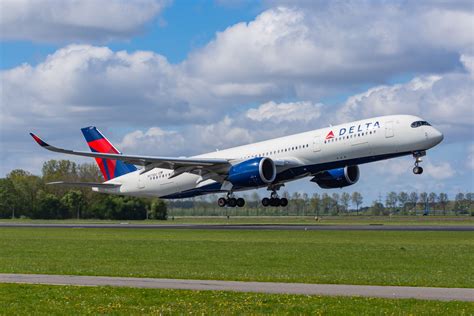
The deployment of the Airbus A350-900 is a clear statement of intent. As Delta’s most technologically advanced widebody, the A350 allows for high fuel efficiency, reduced carbon emissions, and an exceptionally quiet and comfortable cabin environment. Its range of over 8,000 nautical miles makes it perfectly suited for ultra-long-haul services like LAX-HKG.
However, this strategy introduces logistical complexity. Delta maintains a finite fleet of A350s, and each aircraft reallocation impacts its broader long-haul portfolio. Reintroducing Hong Kong service could place strain on fleet availability for other international markets such as Tokyo, Sydney, or Mumbai. Balancing aircraft deployment while maintaining global frequency will be an ongoing challenge.
U.S. Aviation Innovation on Display
Delta’s return to Hong Kong serves as a powerful illustration of American aviation leadership in the post-pandemic world. By daring to reenter a highly competitive and geopolitically sensitive market, the airline is showcasing its confidence in U.S. aviation infrastructure, fleet readiness, and route forecasting capabilities.
This bold move also reinforces America’s role in shaping the next phase of international air travel, one that prioritizes direct connectivity, sustainability, and network resilience. As carriers worldwide cautiously rebuild their long-haul networks, Delta’s calculated gamble may inspire other U.S. airlines to rethink abandoned routes or untested corridors.
The Bigger Picture: Redefining Trans-Pacific Travel
In many ways, the LAX-HKG flight is more than a restored route — it’s a strategic marker in the global aviation reset. Trans-Pacific travel, particularly between North America and East Asia, was among the hardest-hit segments during the COVID-19 pandemic. While Europe saw rapid reopening, Asia-Pacific lagged behind due to stringent travel restrictions, border controls, and volatile demand.
By reinstating nonstop service to Hong Kong, Delta is betting on a full rebound in long-haul leisure and premium business travel, bolstered by relaxed border protocols, improved health infrastructure, and a general resurgence in international tourism. The route also caters to a vast diaspora community and business ecosystem straddling the U.S. and China, further enhancing its potential success.
Future Outlook: A Testbed for Delta’s Asia Strategy
The LAX-HKG route will serve as a barometer for Delta’s broader Asia-Pacific ambitions. If successful, it could pave the way for additional nonstop routes to destinations like Singapore, Bangkok, or even Ho Chi Minh City, cities that remain underserved by U.S. carriers but hold growing commercial appeal.
Conversely, if the route underperforms — particularly due to regional political volatility or limited demand recovery — Delta may be forced to reassess its standalone strategy in Asia and further deepen its reliance on partners like Korean Air and China Eastern.
Ultimately, the coming months will reveal whether Delta can carve out a sustainable niche in one of the world’s most hotly contested air routes. Success will depend on its ability to balance price competitiveness, service quality, aircraft utilization, and marketing firepower, especially as global players continue vying for dominance in the Pacific.
Conclusion: A Bold Leap in a New Aviation Era
Delta Air Lines’ return to Hong Kong is emblematic of a larger story — one where American carriers are reasserting themselves in global markets after years of disruption and retreat. Through its nonstop LAX-HKG service, Delta is sending a clear message: the United States remains at the forefront of aviation innovation, capable of taking calculated risks in pursuit of global leadership.
While significant hurdles remain, the return of direct connectivity between Los Angeles and Hong Kong holds enormous implications not only for Delta’s future, but for the entire trans-Pacific ecosystem. As travelers seek greater flexibility, reliability, and comfort, Delta’s reentry may well prove to be the first bold step in a broader transformation of long-haul international air travel.