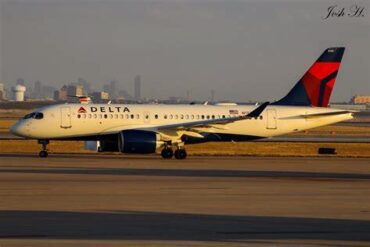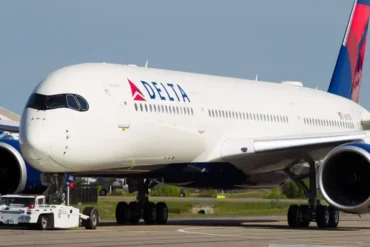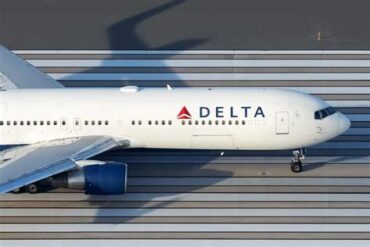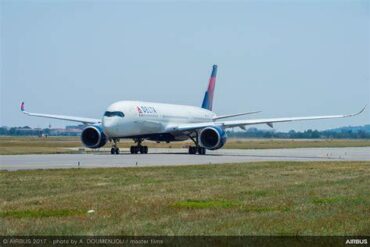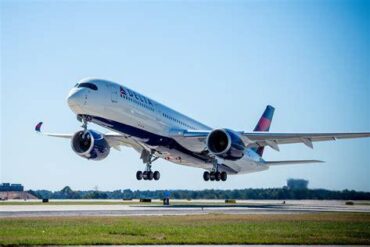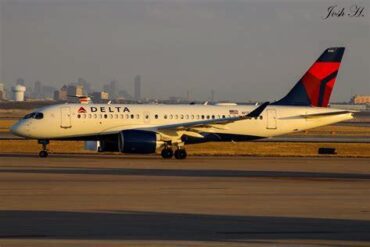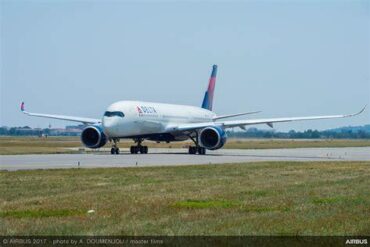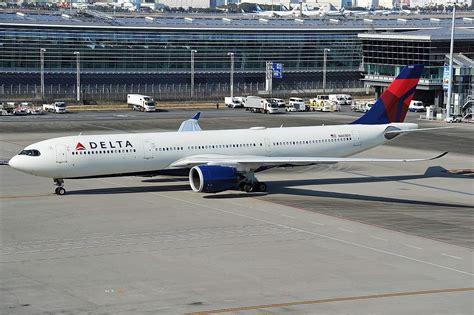
As Delta Air Lines reestablishes its nonstop connection between Salt Lake City and Seoul, a bold chapter unfolds in trans-Pacific aviation, forging renewed momentum in global travel between the United States and South Korea. The long-awaited relaunch, effective summer 2025, comes at a pivotal moment when international travel is surging to pre-pandemic highs, and airline networks are being redefined to meet fresh demand. The revival of this route—dormant for six years—offers far more than a flight; it delivers a strategic realignment of international corridors and promises enhanced mobility for business, tourism, and commerce between North America and Asia.
The nonstop service between Salt Lake City International Airport (SLC) and Incheon International Airport (ICN) provides a direct bridge between two vibrant regions, reinstating a vital artery in the trans-Pacific aviation ecosystem. Delta’s choice to bring back this specific route demonstrates confidence in the regional economies it connects and highlights the airline’s expansive post-pandemic strategy.
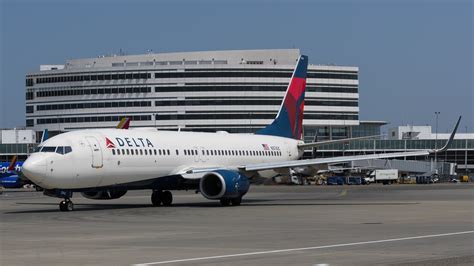
A Triumphant Return to a Critical Trans-Pacific Corridor
After a six-year absence, the resumption of the Salt Lake City–Seoul flight is not a mere reactivation—it’s a targeted expansion of Delta’s global footprint. As a leading player in global aviation, Delta operates over 350 destinations across six continents, carrying more than 200 million passengers annually. The reintroduction of this route is emblematic of the airline’s sustained ambition to enhance international connectivity and reinstate high-value corridors affected by the pandemic.
The strategic importance of Salt Lake City as a Western U.S. hub allows Delta to funnel connecting passengers from across the country through one of its most efficient operational bases. Seoul, meanwhile, stands as a gateway to East Asia, offering onward travel to countries including Japan, China, and Southeast Asia via its bustling Incheon hub. By linking these two centers, Delta amplifies both its domestic and international connectivity, with economic and cultural implications stretching far beyond airport terminals.
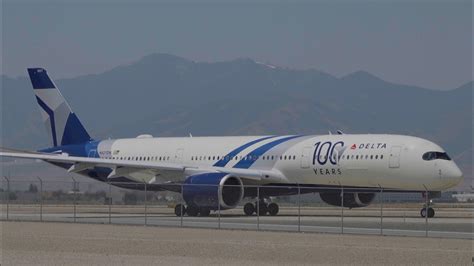
Strengthening a High-Impact Joint Venture with Korean Air
Delta’s relaunch of this route coincides with a reinvigoration of its joint venture with Korean Air, originally established in 2018. This cross-border partnership allows both airlines to share schedules, pricing strategies, and customer service systems, resulting in a seamless experience for trans-Pacific travelers. The Salt Lake City–Seoul route is a pillar of this venture, acting as a strategic feeder for destinations throughout Asia and North America.
For passengers arriving in Seoul, the Korean Air network offers robust onward connections to cities across Asia. Conversely, travelers landing in Salt Lake City can connect effortlessly to over 35 U.S. destinations via Delta’s vast domestic network. The synergies generated by this partnership eliminate previous inefficiencies, cut down travel times, and offer superior passenger experiences, both in the air and on the ground.
Elevating Salt Lake City to Global Gateway Status
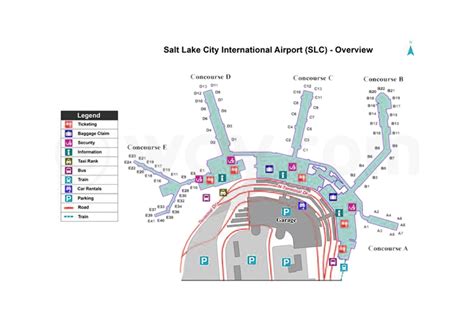
Salt Lake City International Airport is not just a regional hub; it’s now a critical node in Delta’s international strategy. The resumption of flights to Seoul elevates its profile, transforming it into a gateway for trans-Pacific travel. For a city best known for its proximity to nature and tech-friendly economy, the new air link catalyzes economic development, tourism inflow, and international business collaboration.
This connection also reflects the airport’s significant infrastructure investments, including a multi-billion dollar renovation completed in recent years. Enhanced terminals, efficient customs processing, and smart logistics have enabled Salt Lake City to accommodate increased international demand with minimal friction.
Seoul: The Beating Heart of Asia’s Travel and Business
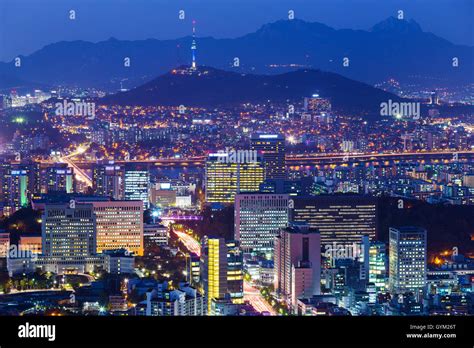
As the capital of South Korea, Seoul is a global megacity that harmonizes ancient culture with cutting-edge innovation. By reinstating direct flights to this dynamic metropolis, Delta ensures U.S.-based travelers are once again just a single hop away from one of Asia’s most exciting destinations. Whether it’s the Korean Wave (Hallyu) that draws tourists, or the rising importance of Seoul as a financial and technological powerhouse, demand for direct travel between the U.S. and Korea is higher than ever.
South Korea’s significance in global trade—especially in semiconductors, automobiles, and electronics—means that a direct connection to Seoul is not just a cultural link, but a commercial necessity. For American entrepreneurs, business professionals, and government delegations, the convenience of flying nonstop to Incheon can drastically improve bilateral engagement and economic opportunity.
Economic Impact and Regional Growth Benefits
The resumption of this flight route comes with tangible economic ripple effects. For Utah and the broader Mountain West region, a direct line to Seoul translates to more Korean tourists, investment, and bilateral cooperation. The Utah Office of Tourism projects a spike in international visits this year, and with South Koreans ranking among the world’s highest per-capita outbound travelers, the timing is strategic.
For South Korea, the U.S. connection through Salt Lake City allows for easier access to popular Western destinations such as Yellowstone, Las Vegas, and Silicon Valley. Travel packages, educational exchanges, and corporate visits are expected to increase, with early bookings already showing double-digit growth since the route’s announcement.
A Strategic Response to Rebounding Global Demand
Delta’s move is also a calculated response to rising global travel demand, particularly across long-haul international routes. According to data from the International Air Transport Association (IATA), trans-Pacific traffic has rebounded by more than 75% of 2019 levels by mid-2025, and is forecast to surpass previous records by year-end. Airlines that reestablish and strengthen these connections now are poised to reap significant benefits in loyalty and market share.
Beyond economics, the return of the Salt Lake City–Seoul flight also fulfills an emotional need. For Korean-Americans, international students, and expatriate communities living across the American West, the convenience of a nonstop flight reduces barriers to staying connected with family, heritage, and homeland. The route becomes not just a commercial venture, but a lifeline for cross-cultural unity.
Delta’s Continued Excellence in Global Aviation
Delta’s industry recognition adds yet another layer of credibility to this bold move. Named among the World’s Most Admired Companies by Fortune in 2024—ranking higher than any other airline—Delta’s excellence in operational performance, customer satisfaction, and innovation gives it a competitive edge. It also topped Fortune’s list of Most Admired Airlines, reinforcing its dominance in a turbulent and ever-evolving industry.
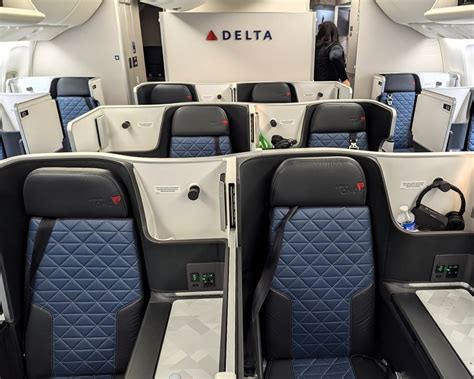
These accolades are not superficial. Delta has invested heavily in its technology platforms, sustainability programs, and premium service offerings. Its SkyMiles loyalty program, upgraded cabin experiences, and airport lounges are consistently rated among the best in the world. These elements, combined with strategic international partnerships, position Delta as an aviation leader ready to define the next era of global travel.
Looking Ahead: More Than Just a Route
The return of the Salt Lake City–Seoul route is symbolic of a broader trend: the restructuring of international air routes around changing traveler behaviors, economic shifts, and geopolitical alliances. This move is not just about reclaiming pre-2019 status—it’s about shaping what global travel will look like in the next decade. As the aviation sector continues to rebound and evolve, Delta’s forward-thinking strategy reflects a commitment to meet the world where it’s going, not where it’s been.
With other airlines watching closely, and competing hubs exploring similar expansions, Delta’s decision could spur further reinvestment into trans-Pacific links from U.S. interior markets. If successful, this flight could become a template for other medium-sized cities seeking to gain relevance on the international stage.
Conclusion: A Reconnected World Through Bold Action
The relaunch of Delta Air Lines’ Salt Lake City–Seoul route marks a profound moment in U.S.–South Korea aviation relations, signaling confidence, collaboration, and shared progress. It reaffirms the role of air travel as a driver of global unity, opening doors to economic growth, cultural exchange, and personal connection.
As planes take to the skies once again between these two continents, a new era of uninterrupted trans-Pacific mobility begins—one made possible by strategy, cooperation, and vision. Delta isn’t just offering a new route; it’s offering a renewed promise of global access and meaningful connection in the 21st century.