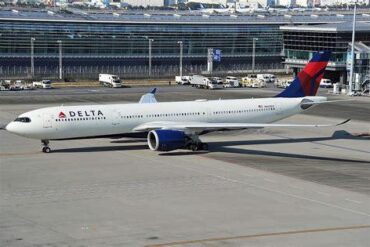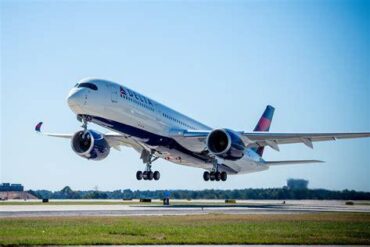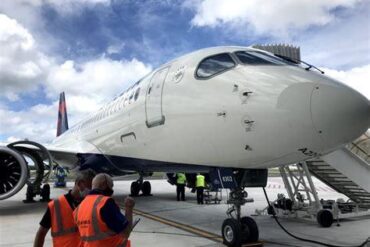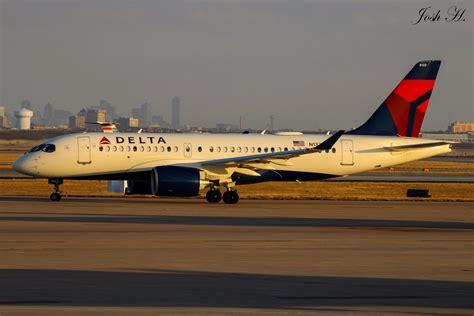
Delta Air Lines has officially reignited direct trans-Pacific service between Salt Lake City International Airport (SLC) and Incheon International Airport (ICN), marking its return to South Korea after a six-year absence. This strategic relaunch, coinciding with Delta’s 100th anniversary, is more than a symbolic milestone—it’s a calculated move to reposition the airline as a dominant force in Pacific aviation and a gateway connector between Asia and the U.S. Mountain West region.
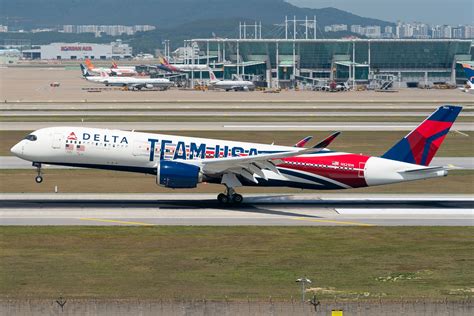
Delta’s Comeback to South Korea: A Century in the Making
In a statement during a press event in Seoul, Jeff Moomaw, Delta’s Vice President of Asia Pacific, celebrated the airline’s reentry into the Korean market. “This year marks Delta’s 100th anniversary. Introducing a new route to Korea during this milestone makes the occasion even more special,” he remarked. The return signifies more than just the resumption of a flight—it embodies Delta’s deeper commitment to Asian connectivity, with South Korea acting as a pivotal hub.
Delta first paused its Salt Lake City–Seoul route in 2019 due to evolving market dynamics and operational priorities. Now, it reemerges with renewed purpose, backed by a robust trans-Pacific strategy and deepening ties with Korean Air, its long-term joint venture partner.
Reinforcing the Trans-Pacific Network Through Korean Air Partnership
The Salt Lake City–Seoul service is not a standalone operation—it’s a key node in Delta’s partnership with Korean Air, formalized in 2018. This trans-Pacific joint venture now links Seoul to 14 U.S. destinations, including critical business and leisure markets.
The importance of this network is underscored by Delta’s operational efficiency at both ends. Travelers connecting through Salt Lake City enjoy transfer times averaging just 55 minutes, matching the quick-turnover pace at Incheon. The harmonization of operations between Delta and Korean Air creates a seamless experience, empowering passengers to book and check in via either airline’s app.
“Together, we’ve made joint investments in digital solutions and customer experience improvements to deliver top-tier service,” said Moomaw. These improvements are more than cosmetic—they are part of Delta’s wider ambition to set a new standard for integrated international travel.

Salt Lake City as a Rising Global Hub
The choice of Salt Lake City as a trans-Pacific departure point may raise eyebrows, but it is a strategic linchpin in Delta’s domestic network. Unlike traditional gateways like LAX or JFK, SLC offers less congestion, faster connections, and proximity to booming Western U.S. markets.
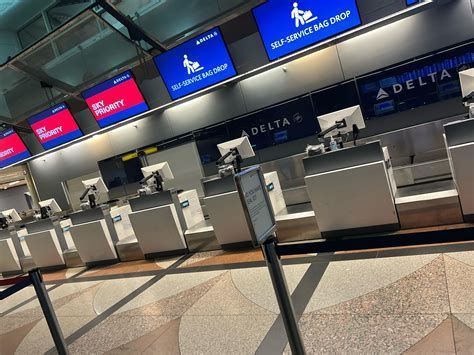
Delta has invested heavily in Salt Lake City’s terminal modernization, and this new route to Seoul marks the airport’s first direct flight to Asia in years. The relaunch also positions Salt Lake City as an emerging global gateway, giving South Korean travelers one-stop access to 35 U.S. cities, including tech corridors, national parks, and emerging economic zones.
The alignment is mutual. South Korea remains one of the top outbound tourism markets in Asia, and connecting them directly to America’s West unlocks new travel flows, tourism exchanges, and commercial partnerships.
Stakeholder Confidence Amid Hanjin KAL Developments
Recent market chatter has centered around investor activity within Hanjin KAL, the parent company of Korean Air. South Korea’s Hoban Construction acquired an 18.46% stake in Hanjin KAL, prompting speculation of a management shake-up. Delta, which itself holds a 14.9% stake, publicly downplayed these concerns.
“I have good trust in Walter Cho (Korean Air Chairman),” said Moomaw. “We view Hoban’s stake increase as a simple investment.” To counterbalance Hoban’s growing influence, Hanjin increased Cho’s voting power by transferring treasury shares to its employee welfare fund, raising his control to 20.79%.
Delta’s response illustrates a steady-handed approach to foreign partnership risk. As a vested partner, Delta supports Korean Air’s long-term vision and is particularly optimistic about the proposed merger with Asiana Airlines. “Our priority remains aligning the right flights with the right markets to provide the best possible service to our passengers,” Moomaw emphasized.
A Broader Expansion Strategy: Delta’s European Surge
While Asia reclaims its place in Delta’s global ambitions, Europe is also a central focus. For summer 2025, Delta is rolling out its most expansive transatlantic schedule to date, launching new direct flights from major U.S. hubs including New York (JFK), Atlanta (ATL), Boston (BOS), Minneapolis–St. Paul (MSP), and Detroit (DTW).
The airline is now the largest U.S. carrier to Italy, France, Greece, and Denmark, and notably the only American airline to offer nonstop service to Prague (PRG). These developments aren’t just about geography—they’re rich in cultural immersion and passenger engagement.
Culturally Rich Celebrations for European Launches
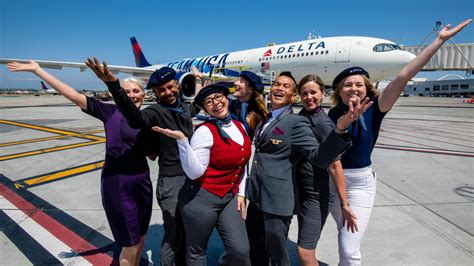
Delta isn’t just flying planes—it’s flying culture. Each new European route was launched with themed festivities, from Spanish guitarists in Boston to Sicilian desserts in JFK. The airline’s decision to center cultural storytelling around each launch helped build stronger emotional ties with passengers.
- Boston to Barcelona: Flamenco dancers and mocktails at the gate.
- New York to Catania: Sicilian sweets, regional music, and a cannoli cake.
- Atlanta to Naples: Southern Italian flair with culinary surprises.
These details matter. They humanize the flying experience and help build emotional brand equity at a time when passengers crave more than transactional service.
Italy: Delta’s Crown Jewel in Europe
Italy has emerged as the epicenter of Delta’s European expansion. In 2025, Delta increased capacity to the Italian market by over 10% year-over-year, reaffirming its position as the top U.S. carrier to Italy. This includes direct flights to Milan, Rome, Naples, and Catania, connecting American travelers with both urban hubs and Mediterranean hideaways.
Delta’s Italian push is strategic. Italy combines leisure appeal, diaspora traffic, and business travel into one irresistible market. For Delta, it represents the ultimate European proving ground for premium transatlantic travel.
Reasserting Global Dominance Through Multinational Strategy
Delta’s twin-pronged strategy—rebuilding trans-Pacific strength while turbocharging European access—demonstrates its commitment to global relevance in an increasingly competitive market. By choosing underutilized hubs like Salt Lake City and integrating technology platforms with global partners, the airline isn’t just growing routes—it’s crafting a new kind of international journey.
This approach dovetails with broader trends: passengers demand seamless experiences, cultural relevance, and reliable service. With these new routes and strengthened partnerships, Delta is placing itself at the intersection of these evolving expectations.
Looking Ahead: Asia, Europe, and Beyond
Delta’s re-entry into the Korean market after six years is not merely a resumption of service—it is an affirmation of its long-haul leadership. As it navigates complex airline alliances, global economic uncertainties, and rapidly evolving passenger needs, Delta has chosen a path of measured aggression—growing smart, not just big.
From Seoul to Salt Lake City, from Milan to Minneapolis, Delta is crafting a tapestry of connectivity that is reshaping the airline industry. It is a strategy rooted in collaboration, culture, and customer experience—and one that signals a new era of global air travel.