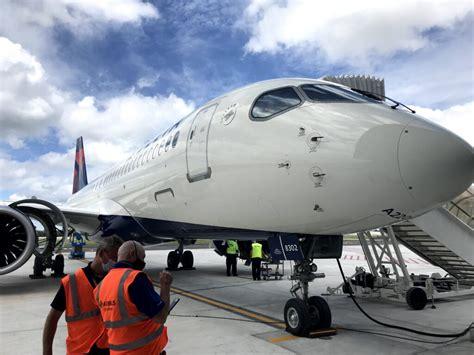
The parents of a young man who died in a horrifying accident at Salt Lake City International Airport have filed a sweeping lawsuit against the city, alleging catastrophic failures in airport design, security, and emergency response. The case centers on the death of Kyler Efinger, who was killed after entering the engine of an Airbus A220-100 aircraft on January 1, 2024, while the plane was preparing for departure. The lawsuit paints a disturbing picture of how a vulnerable individual, experiencing an acute mental health crisis, was able to leave a secured terminal, traverse nearly a mile of restricted airfield, and encounter a running jet engine without meaningful intervention.
At the heart of the lawsuit is a claim that Salt Lake City, as the operator of a major international airport, failed to meet even the most basic standards of safety and surveillance. Airports are designed to be hardened environments, layered with physical barriers, monitoring systems, and trained personnel precisely to prevent unauthorized access to aircraft movement areas. According to the complaint, those layers either did not exist, were poorly designed, or were not functioning on the morning Kyler died.
The case has quickly become a focal point in a broader conversation about airport security gaps, mental health awareness, and the legal responsibilities of municipalities operating critical transportation infrastructure. It raises unsettling questions about how such an extreme breach could occur at a modern U.S. airport and whether similar vulnerabilities exist elsewhere.
A Tragic Chain of Events on New Year’s Day
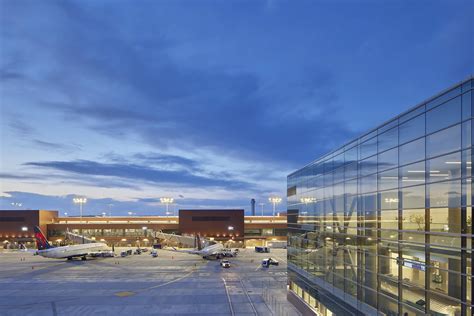
According to the lawsuit filed by Judd Efinger and Lisa Efinger, their son was scheduled to fly on a Delta Air Lines flight from Salt Lake City to Denver to visit his grandfather. In the hours leading up to boarding, Kyler was allegedly experiencing what the complaint describes as an “obvious mental health episode” related to bipolar disorder. Rather than receiving timely assistance or intervention, he was able to move through the airport in a way that should have been impossible.
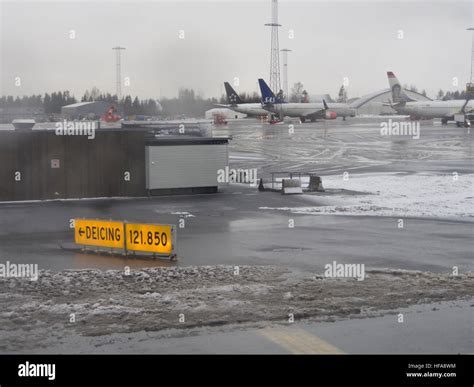
Court filings state that Kyler exited the secure terminal area through two emergency exit doors without being stopped, detected, or intercepted. Once outside, he entered the airfield environment, an area typically restricted to authorized personnel and tightly controlled vehicles. From there, he walked nearly a mile toward the deicing area, where aircraft are treated with anti-icing fluids before departure during winter operations.
The lawsuit emphasizes that this was not a matter of seconds or a brief lapse. Kyler remained on the airfield for several minutes, crossing vast open spaces, taxi lanes, and operational zones without triggering an effective response. His movement, the complaint argues, should have set off alarms, alerts, or at minimum prompted an immediate and coordinated search.
How Airport Security Allegedly Failed
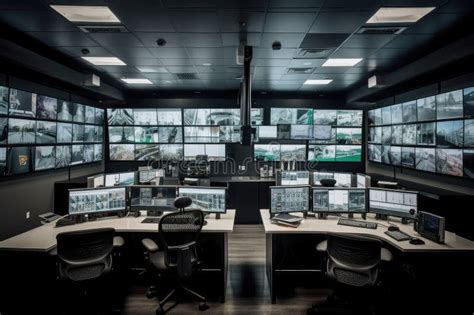
The legal complaint is uncompromising in its assessment of Salt Lake City International Airport’s security posture. It alleges that either no system existed to detect unauthorized exits, or that such systems were present but not activated or properly monitored. Emergency exit doors, particularly those leading directly to the airfield, are typically equipped with alarms, sensors, and camera coverage designed to alert airport operations centers the moment they are opened.
In this case, the parents argue that Kyler was able to pass through not one, but two such doors without meaningful resistance. The lawsuit further claims that airport personnel failed to locate him in a timely manner despite knowing that a disoriented individual had exited the terminal. Those first critical minutes, the filing asserts, were squandered by an ineffective and poorly coordinated search effort.
This alleged failure is central to the parents’ claim. The suit states that Kyler would still be alive if he had been located just 30 seconds sooner, underscoring how narrow the margin was between life and death once he approached the aircraft.
The Moment That Turned Fatal
As Kyler reached the deicing area, an Airbus A220-100 had just completed its deicing process and was preparing to taxi toward the runway. According to the lawsuit, airport personnel were already aware that an unauthorized and disoriented person was somewhere in the vicinity of active aircraft movement areas. Despite this knowledge, nearby pilots were not promptly warned.
The complaint alleges that instead of holding the aircraft in place until the situation was resolved, air traffic control cleared the plane to proceed. Neither the pilots nor air traffic controllers were informed that a person was on the tarmac. The pilot later told a city police officer that he became aware of Kyler’s presence only when he saw him near the aircraft.
Tragically, by that point, it was too late. Kyler climbed into the engine cowling while the engine was still running. His dreadlocked hair was pulled into the spinning engine blades, causing catastrophic blunt force head injuries. The pilot immediately stopped the aircraft, applied the brakes, and shut down the engine, but Kyler had already sustained fatal trauma.
Allegations Against City Personnel and ATC
A particularly serious aspect of the lawsuit is the allegation that air traffic controllers and pilots were left unaware of a known ground safety threat. The parents argue that this breakdown in communication represents a systemic failure, not an isolated oversight. In busy winter operations, deicing areas are among the most hazardous zones on an airport, with limited visibility, multiple vehicles, and aircraft engines frequently running at high power settings.
The lawsuit contends that once city personnel knew a vulnerable individual was missing and potentially on the airfield, an immediate ground stop or localized hold should have been issued. Instead, operations continued as normal. This decision, the filing argues, directly exposed Kyler to lethal danger.
By framing the issue as one of operational negligence, the parents are signaling that responsibility extends beyond a single department or individual. The case targets how airport operations, security, police response, and air traffic coordination intersected — and failed — at a critical moment.
Mental Health, Public Safety, and Duty of Care
Beyond the immediate facts of the accident, the lawsuit places heavy emphasis on Kyler’s mental health condition. The parents argue that his behavior prior to boarding clearly indicated distress and disorientation, and that modern transportation hubs must be equipped to recognize and respond to such situations.
Airports are unique public spaces. They combine high security with high stress, moving thousands of people through complex environments under tight schedules. The lawsuit asserts that this reality creates a heightened duty of care toward passengers who may be experiencing mental health crises, particularly when those crises pose a risk not only to the individual but to others.
By allowing Kyler to reach an active aircraft engine, the parents claim, the city failed in that duty. The complaint does not argue that airport staff should diagnose medical conditions, but rather that obvious warning signs should trigger protective interventions rather than inaction.
A Rare but Devastating Type of Accident
Deaths involving jet engines are extremely rare, especially in commercial aviation environments where multiple layers of security are designed to prevent unauthorized access. For a passenger to leave a terminal, cross nearly a mile of secured airfield, and encounter a running engine represents an extraordinary breakdown of safeguards.
While rare, such incidents are not entirely without precedent. In recent years, there have been isolated cases worldwide involving trespassers or unauthorized individuals entering aircraft movement areas and suffering fatal injuries. Each incident has prompted renewed scrutiny of airport perimeter security, surveillance coverage, and emergency response protocols.
The Salt Lake City case stands out because the individual involved was not an outside intruder, but a ticketed passenger who had already passed through the terminal environment. That distinction adds a new layer of complexity to the legal and safety implications.
Legal Implications for Salt Lake City
The lawsuit against Salt Lake City is expected to have far-reaching implications. If the parents succeed in demonstrating that the airport’s design and operations were fundamentally unsafe, the case could influence how airports nationwide approach exit monitoring, ground intrusion detection, and crisis response training.
Municipal airports operate at the intersection of public infrastructure and commercial aviation, and legal accountability in such cases can be complex. The parents’ filing seeks to establish that responsibility does not end at the terminal door, but extends across the entire operational footprint of the airport.
Damages sought in the lawsuit have not been publicly detailed, but the emotional and societal costs are already clear. The case is likely to prompt internal reviews, policy changes, and potentially costly upgrades to security systems — not only at Salt Lake City International Airport, but at other airports watching the outcome closely.
A Family’s Search for Accountability
For Judd and Lisa Efinger, the lawsuit is about more than compensation. It is a demand for accountability and a call for systemic change. Their complaint repeatedly returns to the idea that Kyler’s death was preventable, not the result of an unforeseeable freak accident, but of cumulative failures that aligned in the worst possible way.
The filing underscores that airports are among the most controlled public environments in modern society. When those controls fail so completely, the consequences can be fatal. As the case moves forward, it is poised to become a defining moment in discussions about airport safety, mental health awareness, and the responsibilities of cities entrusted with managing critical transportation hubs.
The tragedy at Salt Lake City International Airport is now a legal battleground, but its impact reaches far beyond the courtroom. It forces an uncomfortable reckoning with how secure modern airports truly are — and how quickly routine operations can turn deadly when systems designed to protect human life fall short.