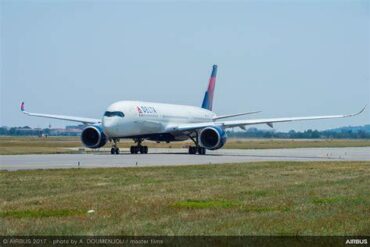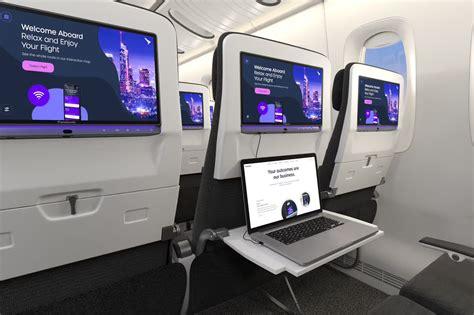
Salt Lake City International Airport (SLC), a vital gateway nestled in the heart of Utah, has emerged as a cornerstone in United Airlines’ national and global network, redefining passenger expectations through innovation, flexibility, and scale. As United Airlines amplifies its presence at SLC, it does more than increase flight frequency—it brings an unmatched fleet diversity and seamless access to major hubs such as Denver, Washington D.C., San Francisco, Chicago, Los Angeles, Houston, and Newark. This calculated growth is a powerful reflection of the airline’s ambition to dominate the western corridor of U.S. aviation.
United’s Salt Lake City Strategy: A Shift in Network Dynamics
Unlike traditional hub operations, United Airlines has disrupted the conventional model by curating a multi-aircraft, multi-destination approach at SLC. Rather than consolidating specific aircraft types for logistical ease, United deliberately operates a diverse mix of aircraft that gives it unrivaled agility. This strategy benefits both operational efficiency and passenger experience, allowing the airline to optimize routes while ensuring redundancy if certain aircraft models face technical or regulatory setbacks.
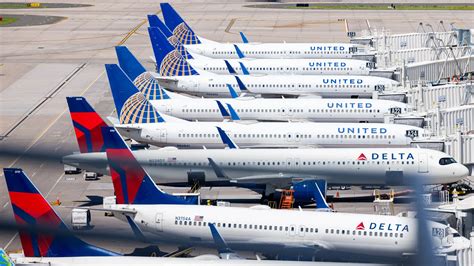
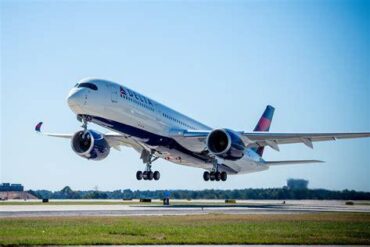
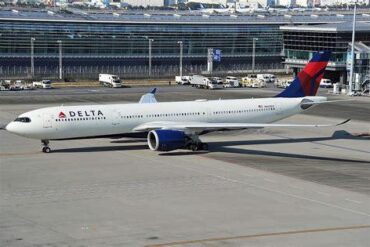
At a time when other airlines streamline for cost, United leverages aircraft variation as a strategic edge. While Delta Air Lines continues to be the dominant carrier at SLC, United’s presence is becoming increasingly influential, with approximately 650 round-trip flights per month. Though numerically smaller, the depth and range of United’s operations underscore a far more nuanced and ambitious agenda—to make SLC a fully integrated gateway to both coasts and beyond.
A Tapestry of Aircraft: United’s Dynamic SLC Fleet
What truly distinguishes United’s presence at Salt Lake City is its impressive fleet composition. Aviation enthusiasts and industry insiders alike recognize SLC as a living showcase of aircraft diversity, from nimble regional jets to fuel-efficient narrow-bodies that span continents.
- Bombardier CRJ-700 (CR7): Deployed on high-frequency short-haul routes such as SLC to Denver and San Francisco.
- Embraer ERJ-175 (E7W): A midsize regional jet known for comfort and efficiency, flying routes to Chicago, Houston, and Los Angeles.
- Airbus A319 & A320: Trusted workhorses for flights to Houston and Chicago, balancing passenger capacity with fuel performance.
- Boeing 737-700/800/900: Backbone aircraft flying consistently to Chicago, San Francisco, and Washington D.C.
- Boeing 737 MAX 8 & 9: Modern, quiet, and highly fuel-efficient jets that connect Salt Lake City with distant hubs like Newark and IAD.
This heterogeneous approach to fleet deployment provides a resilient operation. Should any particular aircraft be grounded—as seen during the 737 MAX global pauses—United can seamlessly substitute without compromising schedules.
Connectivity Redefined: Access to Key United Hubs
Beyond equipment, what truly elevates United’s Salt Lake City operations is the extensive, high-frequency connectivity to major domestic and international gateways. Passengers departing from SLC can quickly link to global networks via United’s elite-level hubs:
- Denver International Airport (DEN): United’s backbone in the Rockies, offering deep domestic penetration and swift international transitions.
- Chicago O’Hare (ORD): A historic epicenter of United’s global network, allowing access to Europe, Asia, and the Americas.
- San Francisco International Airport (SFO): Crucial for trans-Pacific operations, especially for passengers en route to Asia.
- Los Angeles International Airport (LAX): A juggernaut West Coast hub feeding both domestic and Oceania-bound flights.
- Newark Liberty International (EWR): The go-to East Coast gateway for New York-bound travelers and international itineraries.
- Washington Dulles International (IAD): A diplomatic and business-class transit hub with comprehensive intercontinental routes.
- Houston Intercontinental Airport (IAH): The southern linchpin, connecting the U.S. heartland with Latin America and beyond.
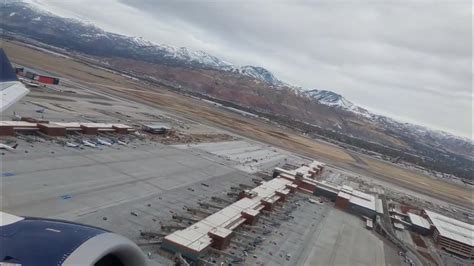
This well-stitched network provides more than options; it enables multi-directional routing with minimal layover times, making SLC a viable jumping-off point for global travel. United has essentially made it possible to traverse coast-to-coast and intercontinental routes directly from Utah, enhancing business logistics, tourism, and regional mobility.
Aircraft Efficiency and Performance: The Backbone of United’s Vision
Every aircraft type that United deploys from SLC serves a specific operational niche, blending fuel efficiency, range, and capacity. The CRJ-700 and ERJ-175 shine on short hauls, flying under 1,200 miles with lower operational costs. Their agility makes them perfect for regional business travel and quick-turnaround operations.
In contrast, the Airbus A319 and A320 series support higher-density travel with enhanced cabin amenities, providing a smoother ride and greater baggage capacity. Meanwhile, Boeing’s 737 MAX family, engineered for quieter operation and long-haul fuel economy, helps United deliver comfortable, eco-efficient flights even on longer domestic routes such as SLC to Newark or Washington D.C.
The flexibility of this fleet means United can dynamically allocate aircraft based on seasonal demand, market conditions, and even maintenance cycles. This is not just a feat of logistics—it’s a competitive moat that protects United from the disruptions that plague less versatile carriers.
Why Salt Lake City? Strategic Geography Meets Modern Infrastructure
Salt Lake City’s importance in the United network stems from more than passenger traffic—it is a geographical keystone. Positioned centrally in the Mountain West, SLC serves as an ideal connector between western tech hubs, midwestern business centers, and eastern financial capitals. The airport’s newly redeveloped terminal infrastructure only strengthens its appeal.
SLC’s four runways, weather reliability, and modern facilities make it well-suited for complex flight operations involving quick aircraft turnaround and efficient gate management. The airport’s high elevation and clear western airspace are also ideal for jet performance and flight scheduling.
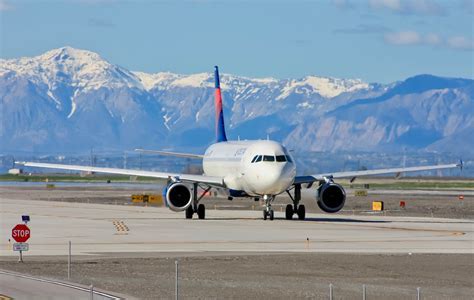
Moreover, Salt Lake City’s growing reputation as a tech and business hub—often referred to as part of the “Silicon Slopes”—means increased corporate demand for high-frequency, high-comfort air travel. United’s expansive hub links from SLC enable business travelers to depart in the morning and arrive at coastal financial centers before lunch, fostering interregional commerce.
Operational Resilience: A Lesson in Adaptive Airline Strategy
United’s strategy at Salt Lake City reflects a deliberate divergence from the hub-and-spoke orthodoxy. By avoiding dependency on a single aircraft type or a limited destination roster, the airline has built a robust, future-proof model that thrives even amid industry disruptions.
Whether responding to macroeconomic shifts, aircraft-specific recalls, or weather-related cancellations, United’s Salt Lake City network is engineered for continuity. The seamless substitution between aircraft models and the availability of multiple hubs for rerouting ensures that passenger journeys remain uninterrupted.
This ability to maintain service integrity—despite external shocks—makes United’s SLC operation a case study in resilience for other airlines.
Looking Ahead: United’s Long-Term Vision for Salt Lake City
United Airlines isn’t just adding more flights; it’s reshaping Salt Lake City’s aviation identity. As the airport continues to evolve, United is likely to expand premium services, invest in next-gen aircraft deployment, and potentially increase international connectivity via code-share partnerships and alliance collaborations.
This ambition is not only about scale; it’s about cementing United’s role as a multi-regional connector with global reach. The continued introduction of newer aircraft models, such as the 737 MAX 10 and Airbus A321XLR, may also extend United’s Salt Lake City reach into longer transcontinental and even transatlantic sectors, making global travel even more accessible from Utah’s capital.
Conclusion: Salt Lake City, United’s Western Gateway to the World
United Airlines has succeeded in reimagining what a secondary airport base can achieve. Through a meticulously designed fleet, a far-reaching network, and an unshakable commitment to operational flexibility, United has established Salt Lake City as a crucial spoke in its global wheel. The result is an aviation ecosystem where efficiency, comfort, and connectivity converge—pushing the boundaries of what travelers expect from mid-size airport operations.
As the airline industry braces for future disruptions and evolving passenger expectations, United’s SLC model stands as a blueprint for how to adapt, scale, and lead. For travelers, it means more choices, better aircraft, and smoother journeys. For Salt Lake City, it’s a symbol of ascending relevance in global aviation.