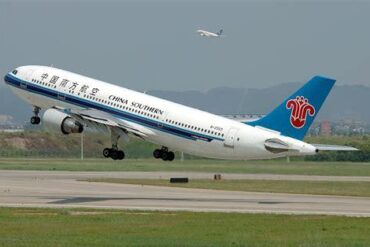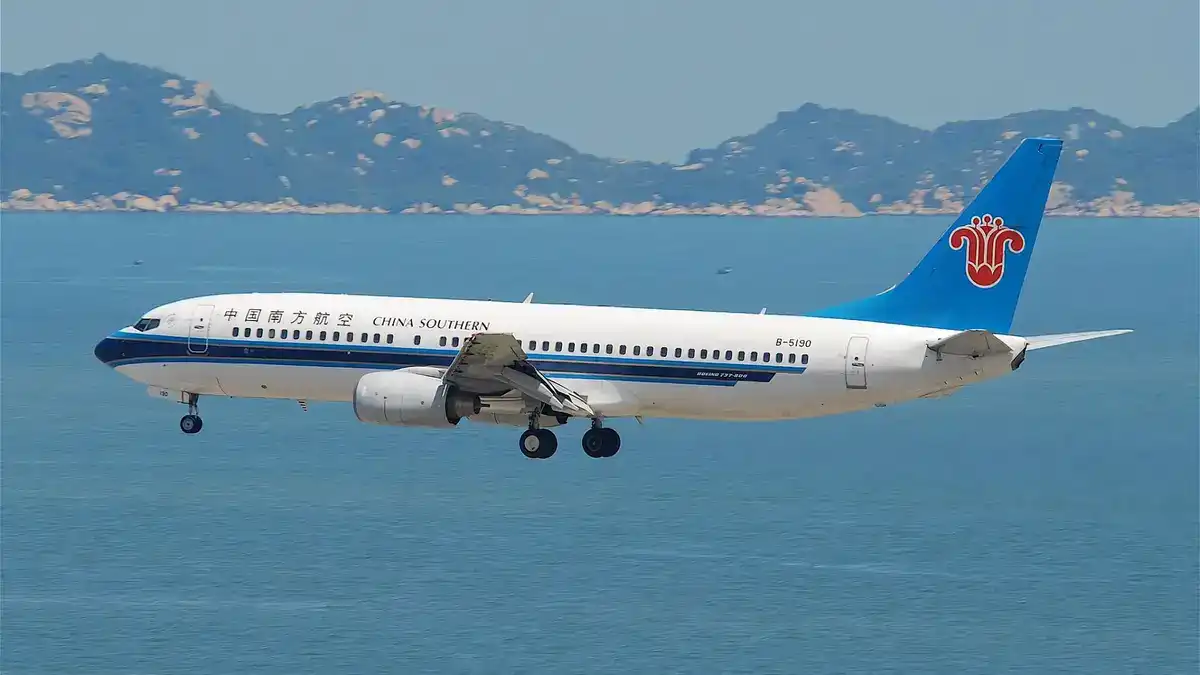
China is strategically reviving its aviation dominance as China Southern Airlines resumes direct flights between Guangzhou and Hong Kong starting July 1, 2025. This vital move does far more than merely reestablish a route; it sets the tone for renewed regional mobility, global tourism expansion, and the solidification of Guangzhou’s role as a premier international aviation hub. By facilitating seamless transit between two of Asia’s most significant urban centers, the airline accelerates both economic momentum and cultural exchange in a post-pandemic world increasingly defined by global re-engagement.
Strategic Revival of a Crucial Air Link
China Southern’s return to the Guangzhou–Hong Kong corridor comes at a moment of strategic economic importance. With the Asia-Pacific region regaining its stature as a global growth engine, enhanced intercity flight services support broader macroeconomic objectives. These direct flights drastically reduce transit time to just over one hour, offering a critical alternative to congested railways and border checkpoints.
As the world witnesses a resurgence in cross-border travel, the significance of air connectivity cannot be overstated. The resumed route becomes a linchpin in linking the Pearl River Delta’s economic infrastructure with the rest of the world, supporting both corporate travel and tourist itineraries through one of Asia’s most dynamic transport corridors.
Boosting Regional Tourism and Passenger Mobility
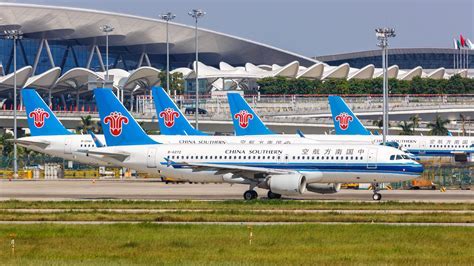
The reopening of the route by China Southern Airlines is expected to generate a significant uptick in intra-regional tourism, particularly as travelers from across Asia and the Americas seek quick-stop cultural escapes and efficient business travel options. Hong Kong and Guangzhou, each with their own distinct identities, are uniquely positioned to capitalize on the dual-city travel model, which is increasingly popular among short-stay travelers.
With flights operating daily, including:
- CZ5017: Guangzhou (8:25 AM) → Hong Kong (9:50 AM)
- CZ5018: Hong Kong (10:50 AM) → Guangzhou (12:00 PM)
…passengers benefit from same-day access to events, conferences, sightseeing tours, and connecting flights. This strategic schedule caters perfectly to corporate executives, frequent flyers, and leisure tourists alike.
Guangzhou’s Emergence as a Global Aviation Powerhouse
The importance of this route stretches far beyond tourism. At the heart of this strategic move lies a vision for Guangzhou as a world-class aviation gateway. Guangzhou Baiyun International Airport, already among China’s top-tier airports, continues to evolve into a critical trans-Pacific transit point. The direct air bridge to Hong Kong enables smoother integration with international long-haul routes, particularly to North America.
By restoring this short-haul service, China Southern taps into a market segment that prioritizes flight flexibility and hub efficiency. In turn, Guangzhou enhances its competitive advantage over regional rivals by offering an optimal balance of logistics capability, airport infrastructure, and flight diversity.
Hong Kong: Asia’s Perennial Crossroads
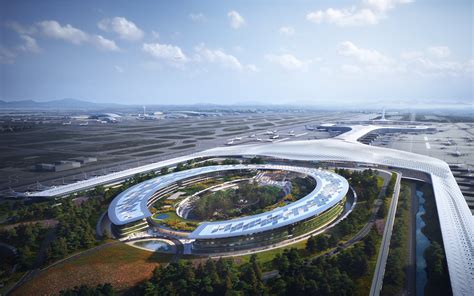
For decades, Hong Kong International Airport has remained a symbol of international aviation excellence. Reconnecting it with Guangzhou via direct flights does more than reduce travel time; it reinvigorates Hong Kong’s appeal as a gateway to the rest of Asia. This is particularly important as the city reinforces its standing amid regional competitors in Tokyo, Singapore, and Seoul.
Travelers arriving in Hong Kong now have greater flexibility to explore China’s southern powerhouse cities without the hassle of indirect connections or overland transport delays. For international visitors with tight schedules, these flights make short city breaks, fast-paced business trips, or multi-destination tours highly practical.

Reviving the Tourism Economy in Guangdong and Hong Kong
The timing of this resumption is synchronously aligned with the rebound in global tourism demand. Following years of pandemic-related disruption, tourists are returning in large numbers to Asia. Guangdong Province, with Guangzhou at its core, stands to benefit immensely from renewed inflows of international and domestic tourists.
Visitors to Guangzhou can immerse themselves in:
- Canton Tower, with unmatched skyline views
- Guangdong Museum, a gateway to southern Chinese art and culture
- Chen Clan Ancestral Hall, a historic architectural masterpiece
- Chimelong Safari Park, Asia’s premier wildlife destination
- Shamian Island, a serene enclave of colonial history
These experiences are not only rich in heritage but also showcase the modern, progressive face of a city poised to become China’s new cosmopolitan nexus.
Hong Kong’s Timeless Appeal for Global Travelers
On the other end of the route, Hong Kong offers an equally compelling tourism narrative. Famed for its cosmopolitan blend of East and West, the city dazzles visitors with everything from natural escapes to vibrant nightlife.
Tourists can:
- Ascend Victoria Peak for panoramic city views
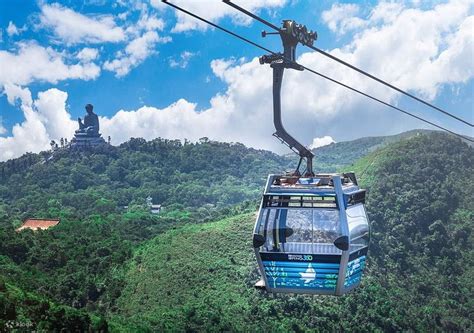
- Visit the Tian Tan Buddha for a serene cultural experience
- Enjoy thrill rides at Hong Kong Disneyland and Ocean Park
- Explore tranquil oases like Nan Lian Garden and Lantau Island
- Witness the Symphony of Lights show over Victoria Harbour
Together, Guangzhou and Hong Kong offer a powerful dual-destination experience, with the direct air route transforming this vision into an easily achievable reality.
Economic Implications: From Local Impact to Global Ripple
From a business standpoint, the economic ramifications of this resumed service are profound. Intra-city connectivity often catalyzes broader commercial opportunities. With Hong Kong’s role as a financial and logistics hub and Guangzhou’s manufacturing and innovation ecosystem, this direct flight empowers companies operating across the Greater Bay Area (GBA) to scale their cross-border collaborations more efficiently.
Furthermore, as China Southern Airlines competes with Cathay Pacific, currently the sole operator with two daily round-trips on this route, the increased market competition ensures better pricing, service quality, and consumer choice.
Foreign investors, business delegations, and corporate consultants will find the route especially valuable for agile cross-border planning, including participation in trade fairs, tech expos, and investment summits hosted in both cities.
Strengthening China’s Global Travel Blueprint
At a national level, this route represents a building block in China’s global travel strategy. By enhancing mobility within the Greater Bay Area, China aligns with its broader Belt and Road Initiative (BRI), aimed at connecting Asia with Europe and Africa via trade and infrastructure.
For international passengers—especially those flying between North America and Southeast Asia—this new connection provides an attractive hub-and-spoke option via Guangzhou. Transiting through Guangzhou becomes not only efficient but also offers world-class amenities, streamlined immigration procedures, and competitive ticketing.
Aviation Diplomacy in a Post-Pandemic World
As countries recalibrate their aviation diplomacy in the post-COVID world, this flight reinstatement reflects China’s commitment to responsible travel reengagement. It emphasizes health security, mobility freedom, and mutual economic benefit.
The flights will also play a crucial role in student travel, academic partnerships, and family reunions, especially for residents and diaspora communities with ties in both cities.
Moreover, the symbolism is potent: China is ready to lead Asia’s return to travel normalcy, backed by bold airline strategies and globally coordinated transport policies.
The Future: A High-Frequency, High-Impact Corridor
In the near future, the Guangzhou–Hong Kong air corridor could evolve into a high-frequency, multi-operator route, supporting not just China Southern and Cathay Pacific but potentially other regional and international carriers.
Additional flight slots, seasonal promotions, and multi-stop ticketing could dramatically increase route profitability and consumer interest. Intermodal transport options connecting flights with high-speed rail and ferry terminals may also create a hyper-connected regional mobility model unseen elsewhere in Asia.

Conclusion: China’s Aviation Ambition Takes Flight
The resumption of China Southern’s direct flights between Guangzhou and Hong Kong is more than a travel update—it’s a geopolitical, economic, and cultural milestone. It reinforces China’s role in reshaping global travel architecture, invigorates the Greater Bay Area’s economic integration, and offers travelers worldwide a powerful new option for seamless, enriching journeys.
As the airline industry continues to rebound and evolve, such strategic routes are essential to crafting a resilient, responsive, and globally interconnected aviation future.