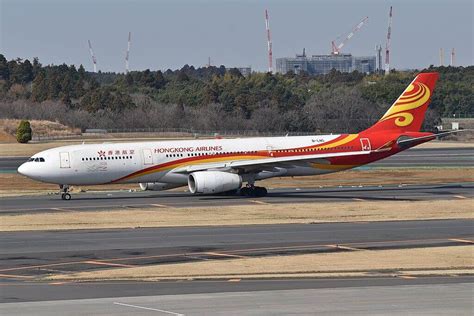
Hong Kong Airlines has taken a bold strategic leap into the heart of Australia’s aviation sector by launching a direct service between Hong Kong and Melbourne—a decisive move poised to shake up a route long dominated by legacy giants Qantas and Cathay Pacific. This expansion is not only a clear assertion of the airline’s international ambitions but also a significant step in elevating its status as a formidable competitor in the Asia-Pacific aviation market.
For years, the Hong Kong-Melbourne route has been under the control of premium carriers. Now, Hong Kong Airlines, with its reputation for cost-effective long-haul travel and strategic regional links, is entering the field with the intent to disrupt, diversify, and drive fares down. Armed with Airbus A330 aircraft and a commitment to value-oriented service, the airline is sending a strong signal that it’s ready to challenge the status quo.
Hong Kong Airlines’ Competitive Positioning in a Premium Market
The new route between Hong Kong International Airport (HKG) and Melbourne Tullamarine Airport (MEL) will join the ranks of competitive long-haul offerings, opening up a critical gateway for both business and leisure travelers. This development follows closely on the heels of Hong Kong Airlines’ inaugural Sydney service and represents its third Australian route, including previously launched seasonal services to Gold Coast and Male.
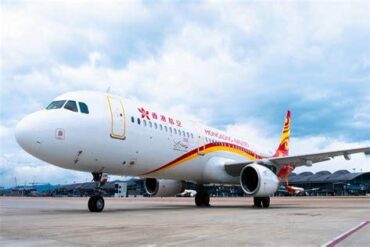
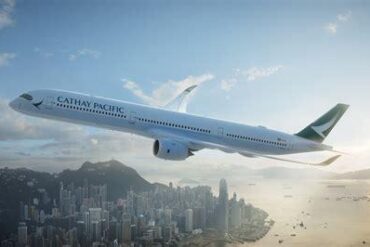
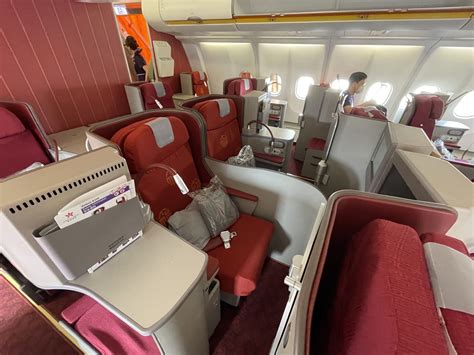
The airline will deploy its Airbus A330 fleet, featuring between 285 and 303 seats in a two-class configuration. These aircraft provide both business class with lie-flat seats and an economy section tailored for cost-conscious travelers, striking a balance between affordability and comfort. While it may not offer the luxury trappings of Cathay’s A350-900 or Qantas’s more spacious A330 interiors, it caters effectively to a growing market of travelers prioritizing value over frills.
Breaking the Duopoly: Market Dynamics and the Competitive Response
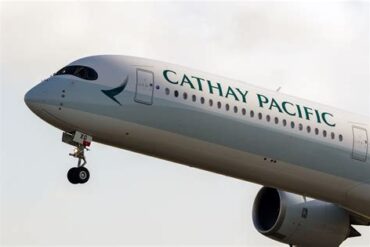
This direct Melbourne service not only reopens competition along a route previously vacated by Virgin Australia but also enhances traveler choice at a time when airfares have surged due to limited supply and high demand. As of now, Cathay Pacific operates 19 weekly services between Hong Kong and Melbourne, deploying both the Airbus A350-900 and Boeing 777-300ER. Qantas, meanwhile, offers a total of 7 weekly flights using its A330-200 and A330-300 aircraft.
Once operational, Hong Kong Airlines’ new route is expected to offer a flight duration of approximately 9 hours and 5 minutes southbound, and 9 hours and 20 minutes northbound, aligning competitively with existing offerings in terms of travel time. But where the airline may truly excel is in fare pricing, with expectations that it will undercut the average price point maintained by Qantas and Cathay Pacific, thereby increasing affordability.
Infrastructure, Aircraft, and In-Flight Experience
Hong Kong Airlines is currently leveraging its fleet of 11 Airbus A330s, all configured to support mid- and long-haul operations. The cabin experience, while not as feature-rich as its premium rivals, still maintains a level of service expected on international flights. The lie-flat seats in business class, although lacking USB ports and equipped with smaller entertainment screens, provide a solid offering for travelers seeking business comfort without premium costs.
In economy, passengers can expect comfortable pitch spacing, attentive service, and a focus on efficiency, a formula that aligns with the airline’s positioning as a value-driven competitor. In this sense, Hong Kong Airlines is carving a niche similar to that of other hybrid long-haul carriers, balancing essential service with budget appeal.
Strategic Expansion Across the Asia-Pacific Network
The decision to launch a direct service to Melbourne is part of a larger regional strategy by Hong Kong Airlines to establish a commanding presence across the Asia-Pacific market. In addition to its expanding Australian routes, the airline boasts a robust network in Mainland China, servicing major hubs such as Beijing, Shanghai, and Chengdu.
Further afield, it operates successful services to Tokyo, Osaka, Seoul, Bangkok, and Taipei, while maintaining seasonal and charter services to destinations like Palau, Gold Coast, and Male. Its direct route to Vancouver represents one of the few North American connections, marking the airline’s intentions for global network diversification.
CEO Vision and Future Growth
Jeff Sun, president of Hong Kong Airlines, has been clear in his ambition to scale the carrier’s global presence. The Melbourne service signals not just an operational expansion, but a strategic milestone. With discussions underway around potential fleet expansion, the carrier is positioning itself to sustain and even accelerate its growth trajectory.
This long-term vision underscores a willingness to compete not just on fares, but on network breadth, scheduling flexibility, and regional relevance. As more capacity is introduced to major destinations, Hong Kong Airlines could emerge as a key player connecting underserved or overpriced routes.
Loyalty Benefits for Virgin Velocity Members
In a shrewd partnership that expands its market appeal, Hong Kong Airlines is offering select benefits to Virgin Australia’s Velocity Frequent Flyer members, including priority boarding and additional baggage allowances. However, it’s important to note that lounge access and points redemption are not included, which may affect higher-tier loyalty customers accustomed to full-spectrum privileges.
Still, for many Australian travelers, especially those looking for affordable international options under a known loyalty umbrella, this partial alliance is a compelling reason to consider Hong Kong Airlines.
What This Means for Melbourne and Beyond
Melbourne’s inclusion in Hong Kong Airlines’ route map marks an important evolution for Victoria’s aviation ecosystem. As the tenth airport in the region to host direct flights to Hong Kong and China, it cements its role as a critical bridge between Australia and Asia. The increase in carrier diversity is a net positive for passengers and business travelers alike, especially as global demand for cross-border connectivity accelerates post-pandemic.
Tourism operators, international students, and import-export businesses will all benefit from more seats and greater competition, particularly in an environment where airline monopolies have historically driven up costs. This is not just a win for Hong Kong Airlines—it’s a win for regional connectivity.
Conclusion: A New Chapter in Asia-Pacific Air Travel
The launch of Hong Kong Airlines’ direct Hong Kong-Melbourne service is more than just a new route—it’s a statement of intent. By stepping into a market long ruled by established flag carriers, the airline is signaling its ambition to disrupt conventional fare structures, enhance consumer choice, and establish long-term footholds in critical global regions.
While its aircraft may lack some premium amenities, Hong Kong Airlines offers a smart alternative for budget-conscious travelers seeking efficiency, comfort, and value. With additional expansion plans in the pipeline, including potential fleet augmentation and network growth, it’s clear that the airline is no longer just a regional player—it is fast becoming a global competitor.
As travelers increasingly demand affordability without compromise, the arrival of Hong Kong Airlines in Melbourne is perfectly timed. It invites renewed competition, delivers fresh options, and ultimately reshapes the dynamics of one of Australia’s most important international air corridors.