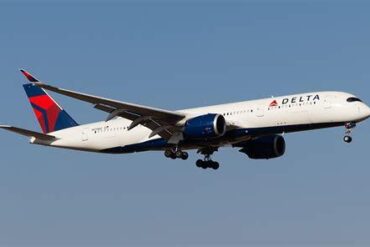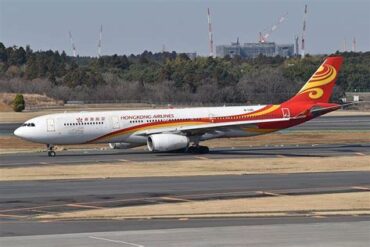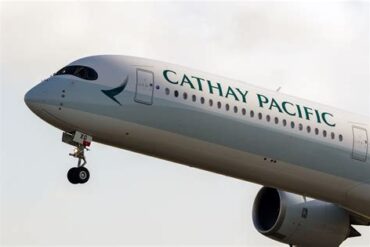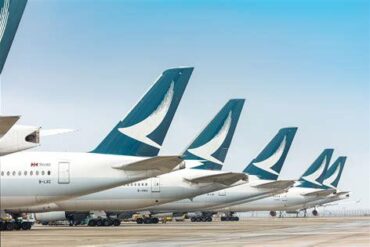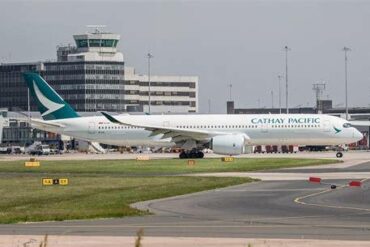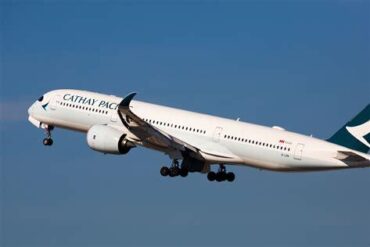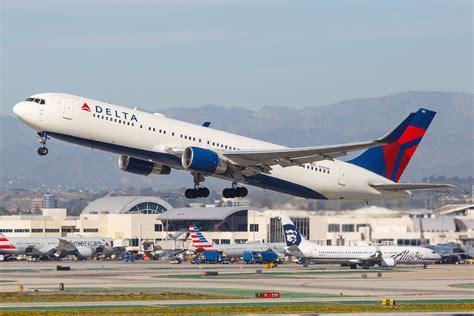
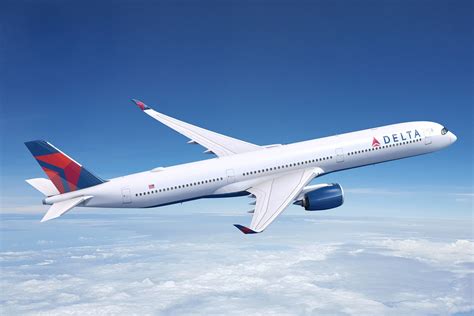
Delta Air Lines is preparing for a bold transpacific expansion, unveiling plans to launch daily nonstop service between Los Angeles (LAX) and Hong Kong (HKG) beginning June 6, 2025. The move places the Atlanta-based legacy carrier squarely in the crosshairs of two major competitors—United Airlines and Cathay Pacific—who already operate robust services on this route. With the deployment of its widebody flagship, the Airbus A350-900, Delta aims to carve a profitable niche in one of the world’s most competitive and commercially significant air corridors.
Delta’s Transpacific Play: Why LAX-Hong Kong Matters
For Delta, the decision to re-enter the Los Angeles–Hong Kong market is more than a mere route addition—it’s a calculated play to reclaim its presence in Asia-Pacific, boost its cargo revenue streams, and enhance its premium brand identity. Hong Kong is not just a major passenger hub—it’s a pivotal global freight gateway, and the use of the A350 is strategic. This aircraft offers superior fuel efficiency, long-range capability, and ample belly cargo capacity, making it ideal for both passenger and cargo operations.
The new route announcement was accompanied by a confident statement from Paul Baldoni, Delta’s Senior VP of Network Planning:
“As the largest global carrier at LAX, we’re continuing to invest in routes that matter to our customers and deliver the premium travel experience that they’ve come to expect from Delta.”
By targeting this long-haul route, Delta not only leverages its deep domestic connectivity at LAX, but it also takes aim at market share in a region that is finally recovering from years of pandemic-induced restrictions.
Head-to-Head With Cathay and United: A Fierce Arena
Launching a flight to Hong Kong from LAX places Delta in direct competition with two entrenched titans:
- Cathay Pacific, the hometown airline of Hong Kong, operates the route as part of its extensive Asia and Pacific network.
- United Airlines, based in Chicago, has long dominated U.S.-Asia routes, bolstered by its strategic hub at San Francisco International Airport (SFO).
Both rivals bring powerful advantages. Cathay offers unmatched connectivity across Asia, while United’s Pacific strength is driven by frequency, alliance depth, and its existing passenger base. United’s loyalty base and MileagePlus program also enhance its grip on the transpacific segment.
Yet Delta is no newcomer. With its Seattle hub feeding westbound traffic and a sharpened focus on premium international service, it believes there’s room for another strong contender.

Cargo Revenue: The Hidden Battlefield
Beyond passengers, the LAX-HKG route is a lucrative cargo corridor. Hong Kong International Airport consistently ranks among the world’s top air cargo hubs, thanks to its infrastructure and strategic location. Delta’s A350 aircraft features a large underbelly that will allow for freight revenue to supplement passenger load.
This is particularly critical post-pandemic, as the cargo business has become a major revenue pillar for long-haul operations. Airlines that optimize their belly capacity—not just for baggage but for high-value shipments—gain a competitive edge.
Hong Kong is a preferred node for transporting electronics, pharmaceuticals, and luxury goods. With manufacturing zones across the Pearl River Delta and trading networks in Southeast Asia, Delta will tap into a vast demand chain, especially with the US-China trade environment stabilizing.
LAX Strategy: Strengthening Delta’s West Coast Dominance
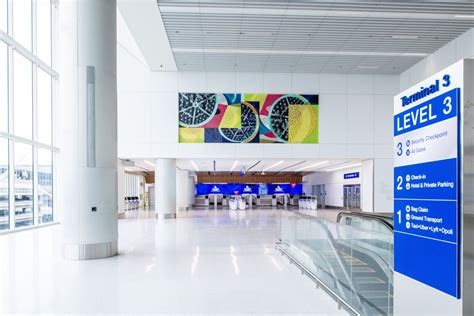
The move fits neatly within Delta’s aggressive expansion strategy at LAX, where the airline is undergoing a multi-billion dollar terminal modernization project. Already operating from Terminal 3, Delta aims to deliver a seamless, tech-enhanced passenger experience with upgraded lounges and streamlined international connections.
The Hong Kong launch isn’t isolated. Delta will also introduce a new domestic service from LAX to Chicago O’Hare (ORD), starting June 7, 2026. This domestic addition brings thrice-daily flights, intensifying competition with both United and American Airlines, which maintain hubs at ORD.
This dual-pronged strategy—targeting both international prestige and high-volume domestic corridors—reinforces Delta’s position as a formidable player in the California market. As the largest global carrier at LAX, Delta is flexing muscle with deliberate, competitive intent.
The Choice of Aircraft: Why the Airbus A350-900 Matters
Delta’s use of the Airbus A350-900 on the Hong Kong route is a statement in itself. The aircraft is among the most modern in commercial aviation, with fuel-efficient Rolls-Royce Trent XWB engines, reduced cabin noise, and higher cabin humidity to reduce passenger fatigue on ultra-long-haul flights.
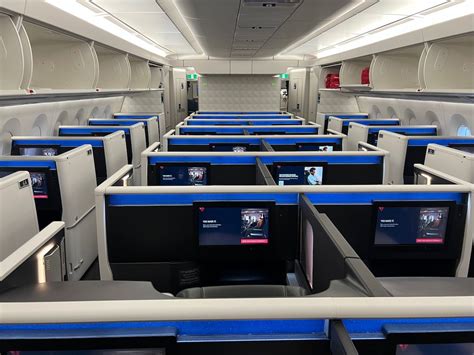
Passenger comfort on the A350 is significantly elevated thanks to wider seats, higher ceilings, and Delta’s proprietary Delta One Suites—luxury lie-flat seats with privacy doors, offered in the business class cabin. The aircraft also supports Delta Premium Select, an upgraded economy product for discerning travelers who seek more space and exclusive service.
For high-end travelers accustomed to Cathay Pacific’s business class and The Pier lounge experience or United’s Polaris product, Delta’s offerings now aim to match or exceed expectations, especially with its reputation for onboard service and reliability.
Challenges Ahead: Market Saturation and Yield Pressure
While Delta’s optimism is commendable, the route’s history suggests caution. LAX-HKG flights are expensive to operate and require high yields to be sustainable. United has the advantage of long-established corporate contracts, a larger Asia footprint, and loyalty program stickiness. Cathay Pacific enjoys deep regional ties and recovering inbound Chinese tourism flows.
Delta has to not only steal market share, but also maintain enough passenger volume at profitable fare levels. Business travel across the Pacific has yet to fully return to pre-pandemic levels, and the competitive landscape ensures that fare wars may be inevitable. Moreover, fuel price volatility and geopolitical tensions in the region could weigh on the route’s profitability.
Yet Delta seems prepared to weather these headwinds, betting on its strong domestic feeder traffic, elevated service proposition, and the long-term potential of a region that remains one of the most vital to global commerce.
Strategic Implications for the Transpacific Network
Delta’s move into Hong Kong may also signal broader intentions to expand deeper into Asia, positioning the airline for future opportunities in China, Southeast Asia, and beyond. As air traffic rights continue to evolve and as China reopens more aggressively to international carriers, establishing a strong foothold in Hong Kong becomes a logical stepping stone.
Moreover, Delta’s SkyTeam alliance membership may allow for future code-sharing or interline agreements with Asian partners to strengthen its onward reach from Hong Kong. Though SkyTeam’s Asian presence is limited compared to Star Alliance, strategic cooperation or new partnerships could bridge the gap.
This route could also open cargo network synergies with Delta Cargo’s broader international operations, especially if the airline introduces more Asia-Pacific destinations in the coming years.
Conclusion: A Calculated Gamble That May Pay Off
Delta’s reentry into the LAX-HKG corridor is bold, calculated, and highly competitive. It signals the carrier’s readiness to take on two of its strongest global rivals in a high-stakes market. While the route is not without risks—ranging from stiff competition to uncertain yields—the potential rewards are compelling. If Delta can execute on its premium promise, leverage cargo economics, and foster loyalty among transpacific travelers, it may succeed in transforming this gamble into a long-term victory.
With Los Angeles positioned as its Pacific gateway, and Hong Kong serving as a springboard into Greater China, Delta Air Lines is clearly making a statement: it intends to be a dominant player in the next chapter of global aviation.