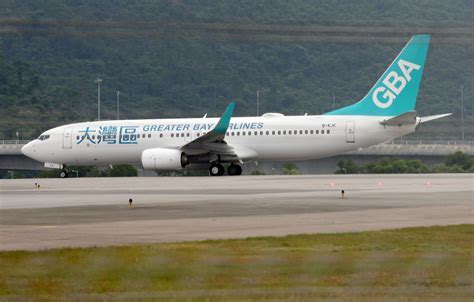
In a significant development for the aviation sector, Greater Bay Airlines, a rising carrier based in Hong Kong, has proposed direct flights to Saipan from Hong Kong starting in 2025. This groundbreaking initiative marks the airline’s first foray into the American market and is poised to reshape travel dynamics between Hong Kong and Saipan, a picturesque island in the Pacific and an American territory. The request for clearance from the United States Department of Transportation (DOT) signals Greater Bay Airlines’ ambition to expand its operational footprint, potentially offering new opportunities for travelers eager to explore the tropical beauty of Saipan.
Greater Bay Airlines, which commenced operations in 2022, has quickly established itself as a formidable player in the Greater Bay Area’s aviation market. With a vision that extends beyond domestic routes, the airline’s strategic plans include venturing into international territories, with the U.S. representing a key milestone in this expansion. The proposed service aims to operate twice weekly, thereby enhancing travel options for those seeking a gateway to Saipan’s stunning landscapes and vibrant culture.
Historically, the route between Hong Kong and Saipan was serviced by Hong Kong Airlines, which unfortunately suspended operations on May 5, 2025, due to diminished demand and stricter entry requirements. This gap in service has created an opportunity for Greater Bay Airlines to step in, leveraging its innovative customer service approach and competitive pricing strategy. If approved, this new route would not only bolster the airline’s presence in the region but also provide additional travel options for passengers looking to enjoy the scenic vistas and warm hospitality that Saipan offers.
Saipan, part of the Commonwealth of the Northern Mariana Islands (CNMI), has long been a favored destination for Chinese tourists, thanks in large part to its visa-free entry policy for Chinese nationals. This policy has historically attracted a steady influx of visitors seeking tropical escapes close to the United States. However, the landscape has changed since December 2024, when new entry requirements were introduced, mandating Chinese nationals to apply for a G-CNMI Electronic Travel Authorization (ETA) unless they already possess a valid U.S. visa. This regulatory shift has sparked controversy, leading to protests from CNMI officials advocating for the reinstatement of the previous visa-free entry arrangement.
The return of flights to Saipan is particularly timely, as reports indicate that Hong Kong Airlines is contemplating resuming its services by August 2025. This potential re-entry complicates the competitive landscape for Greater Bay Airlines, which must navigate the complexities introduced by the new entry requirements while vying for market share in this niche route. The dual challenges of re-establishing demand and adapting to regulatory changes will be pivotal for the airline’s success in this endeavor.
The market for flights between Hong Kong and Saipan has always catered to a specific demographic, often characterized by affluent travelers seeking unique vacation experiences. Saipan’s remote location, coupled with relatively high travel costs, has historically limited its appeal, making it more suitable for a niche audience. However, as alternative tropical destinations gain prominence and accessibility, Saipan’s attractiveness may wane among broader audiences, potentially leading to reduced demand for services connecting the island with major markets like Hong Kong.
Moreover, Saipan’s tourism infrastructure faces ongoing challenges. Many businesses within Garapan, the island’s primary tourism hub, have shuttered recently, citing declining foot traffic and stagnant growth in the tourism sector. A report from October 2024 highlighted the closure of numerous shops and restaurants in the area, underlining the urgent need for investment aimed at modernizing Saipan’s facilities and enhancing its overall tourism offerings. Addressing these infrastructure issues is crucial if Saipan hopes to maintain competitiveness in an increasingly saturated market.
For Greater Bay Airlines, the introduction of this new route presents both opportunities and challenges. Competing directly with Hong Kong Airlines may lead to fare wars and increased pressure to enhance service quality or add amenities. Furthermore, the uncertainty surrounding Saipan’s tourism market raises concerns about whether demand for the Hong Kong-Saipan route will meet expectations. Conversely, the entry of Greater Bay Airlines could inject competition into the market, fostering innovation and potentially driving down costs for passengers. The airline’s commitment to providing affordable, reliable service could reignite interest in Saipan as a sought-after travel destination, especially among those in search of upscale yet less-traveled locales.
Saipan boasts a rich cultural heritage and stunning natural beauty, making it a hidden gem worth exploring. The presence of another airline operating on this route could serve as a catalyst for revitalizing tourism, particularly if paired with local efforts to improve the island’s tourism infrastructure. As stakeholders work together to enhance the appeal of Saipan, the arrival of Greater Bay Airlines could mark a turning point for the region, ushering in a new era of growth and opportunity.
In conclusion, the proposed Hong Kong-Saipan route represents a fascinating intersection of challenges and opportunities within the global airline industry. For Greater Bay Airlines, entering a market that is both crowded yet underdeveloped presents a unique chance to diversify its operations and gain international recognition. However, the airline must navigate shifting regulations and fluctuating demand carefully to succeed in this endeavor. For Saipan, the revival of air service from Hong Kong could serve as a lifeline, but it will require a comprehensive strategy to tackle its larger infrastructural challenges while promoting itself as an attractive destination. As developments unfold, the aviation community will be keenly observing how Greater Bay Airlines and Saipan navigate this dynamic market landscape.