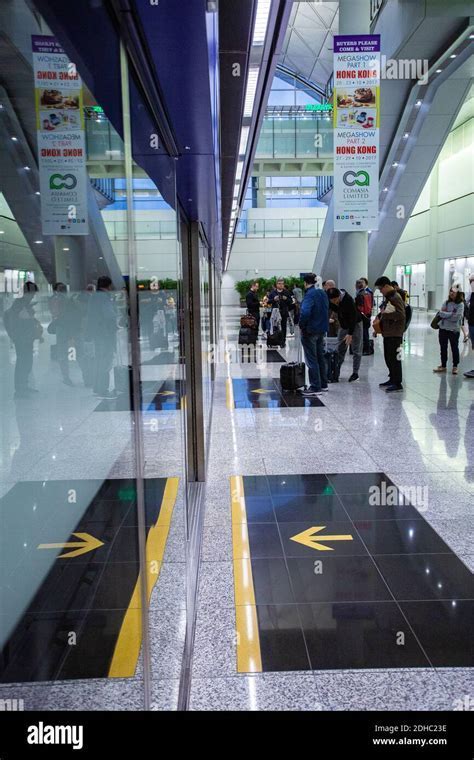
In 2025, the landscape of global travel is evolving, with immigration experiences being redefined by innovation and customer-centric service. According to the latest Skytrax rankings, Hong Kong International Airport (HKG) has emerged as a leader in this transformation, claiming the title of World’s Best Airport Immigration Service for the fifth consecutive year. This accolade is a testament to HKG’s commitment to creating an efficient, welcoming environment for travelers.
The airport’s state-of-the-art e-Channel system processes eligible passengers in under 12 seconds, utilizing facial recognition and biometric scanning technologies to ensure a fast and secure border crossing experience. What sets HKG apart from its competitors is not just the technology; it is the emphasis on human connection. Immigration officers at HKG undergo extensive cultural sensitivity training and are proficient in multiple languages, ensuring that every traveler feels respected and understood. The integration of real-time data analytics also optimizes staffing levels, ensuring that the airport can handle varying passenger volumes smoothly.
A Global Perspective: Other Leading Airports in 2025
Joining Hong Kong in the top ten list are several other airports that exemplify excellence in immigration services. These include Doha Hamad International Airport, Rome Fiumicino Airport, Seoul Incheon International Airport, Helsinki-Vantaa Airport, and Jakarta Soekarno-Hatta International Airport. Each of these airports has made significant strides in creating efficient and customer-friendly immigration processes, transforming how travelers experience border control.
Doha Hamad International Airport: Elegance Meets Efficiency
Doha Hamad International Airport (DOH) has made a name for itself by combining elegance with efficiency. Passengers benefit from an immigration process that integrates cutting-edge technology with highly trained staff, ensuring a seamless transition from flight to land. The airport features luxurious surroundings, which contribute to a calming atmosphere during the immigration process. DOH’s commitment to user experience is highlighted by clear signage and comfortable spaces, allowing travelers to navigate smoothly from arrivals to connecting flights.
Rome Fiumicino Airport: A Modern Italian Experience
Rome Fiumicino Airport (FCO) is a shining example of Italy’s efforts to modernize its border control operations. As one of Europe’s busiest airports, FCO faces the challenge of managing high passenger volumes, especially during peak tourist seasons. Recent upgrades to processing lanes and enhanced staff training have improved efficiency while maintaining the warmth of Italian hospitality. Multilingual staff assist travelers through well-organized immigration processes, ensuring that even during busy periods, the experience remains pleasant and efficient.
Seoul Incheon International Airport: A Technological Powerhouse
Seoul Incheon International Airport (ICN) stands out for its commitment to technological innovation. The airport’s advanced biometric systems in its e-gates significantly reduce wait times, making it a top choice for travelers seeking speed and efficiency. Officers at ICN are not only well-trained in security protocols but also in cultural awareness, providing a personalized touch that enhances the immigration experience. The airport caters to diverse traveler needs, offering specialized lanes for tourists, business travelers, and VIPs, further emphasizing its reputation as a leading global airport.
Helsinki-Vantaa Airport: Nordic Simplicity
Helsinki-Vantaa Airport (HEL) exemplifies Nordic simplicity and professionalism. The airport’s minimalist approach to immigration prioritizes efficiency and dignity. Officers are known for their courteous demeanor, and the airport layout facilitates smooth transitions between EU and non-EU areas. This design is particularly beneficial for travelers connecting between Europe and Asia, as HEL ensures quick, seamless transitions for those on tight schedules.
Jakarta Soekarno-Hatta International Airport: Commitment to Improvement
Soekarno-Hatta International Airport (CGK) in Jakarta rounds out the top ten, showcasing Indonesia’s dedication to enhancing its global travel infrastructure. The recent introduction of 78 new auto gates has drastically improved immigration processing times, reducing wait times to as little as 30 seconds. The airport has also prioritized customer service training, equipping staff to assist international travelers effectively. This modernization effort positions CGK as a significant player in Southeast Asia’s competitive airport industry.
The Significance of Technology and Human Touch in Immigration
The success of these airports in the Skytrax rankings underscores the importance of balancing technology and human interaction in the immigration process. While advanced systems like e-gates and biometric scanners streamline operations, the human element remains crucial. Airports that invest in cultural sensitivity training and multilingual capabilities demonstrate a commitment to making every traveler feel welcome and valued.
As international travel continues to grow, these top ten airports are paving the way for a new era of immigration excellence. They prove that crossing borders doesn’t have to be a cumbersome experience; with the right mix of innovation and exceptional service, the journey can be fast, efficient, and even enjoyable.
Conclusion: A Future of Seamless Travel
From Asia to Europe and the Middle East, the airports leading the 2025 Skytrax immigration rankings are transforming the travel experience. They are redefining what it means to cross international borders, turning immigration from a potential bottleneck into a seamless gateway. For both first-time visitors and seasoned travelers, these airports are setting new standards in how the world welcomes its guests. As the landscape of global travel continues to evolve, the innovations seen in these top ten airports are a promising glimpse into the future of border control—one that prioritizes speed, efficiency, and above all, the traveler’s experience.