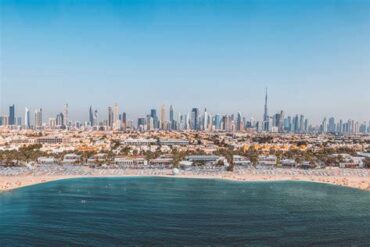
In recent years, safety has emerged as a crucial factor influencing travel decisions, urban planning, and overall quality of life. According to the latest Numbeo Safety Index, UAE, Qatar, Taiwan, and Bahrain have earned recognition as some of the safest cities to travel to on Earth in 2025. This accolade highlights not only their remarkably low crime rates but also their advanced public security systems and consistent government investments in law enforcement and urban surveillance. In fact, these nations have outperformed renowned global counterparts such as France, Switzerland, and Paris in terms of safety perception and daily quality-of-life factors. These include nighttime walkability, traffic discipline, and initiatives specifically aimed at enhancing gender safety, making them exemplars of how urban environments can harmoniously blend innovation, order, and comfort for both residents and visitors.
Safety is a fundamental element that shapes the success of cities around the globe. It attracts foreign investment, encourages tourism, and fosters a sense of confidence among residents. The 2025 findings from Numbeo confirm that Gulf cities have not only maintained their high rankings but have also strengthened their global standing. Abu Dhabi leads the charge as the world’s safest city, followed closely by Dubai, Sharjah, Doha, Manama, and Muscat. This remarkable achievement sets a benchmark for safety and security on a global scale.
Numbeo, known as the world’s largest database of user-contributed data about cities and countries, calculates safety scores based on perceived crime levels, types of incidents, and local sentiment. A higher index score indicates a lower crime rate and a safer environment. Let’s delve deeper into the top ten safest cities worldwide for 2025 and examine the factors contributing to their impressive safety rankings.
Abu Dhabi, United Arab Emirates
With a Safety Index of 88.4, Abu Dhabi has once again claimed the title of the safest city globally, a distinction it has held for nearly a decade. The city’s commitment to comprehensive safety measures across residential, commercial, and industrial sectors has solidified its status. Local authorities have implemented extensive patrols, enhanced emergency response systems, and developed a vast network of surveillance cameras. This approach has fostered a strong public trust and resulted in minimal crime rates. Consequently, Abu Dhabi serves as a model for urban safety practices worldwide.

Doha, Qatar
Ranking second with a Safety Index of 84.1, Doha has consistently maintained high safety ratings since first entering the top ten in 2017. The Qatari capital has made significant strides in enhancing infrastructure and public policies to bolster security. Its initiatives focus on creating safe public spaces, particularly for women and families, which have significantly impacted the city’s tranquility. Doha’s low crime rates and stringent law enforcement contribute to its reputation as one of the most peaceful cities globally.
Dubai, United Arab Emirates
Earning the third spot with a Safety Index of 83.8, Dubai has reached its highest ranking yet in 2025. The emirate’s substantial investments in artificial intelligence, smart city surveillance, and real-time crime tracking play a pivotal role in ensuring public safety. The integration of technology into its law enforcement framework has not only prevented criminal incidents but has also facilitated rapid responses to emergencies. This seamless safety system benefits both residents and tourists, making Dubai an attractive destination for travelers.
Taipei, Taiwan
Taipei maintains its stature as one of the safest cities in Asia, appearing in the top ten for nine consecutive years. The city’s low crime rate is complemented by efficient public services and a commitment to community engagement. Authorities prioritize community policing, which effectively reduces the likelihood of both petty and violent crimes. This proactive approach has made Taipei particularly appealing to tourists and business travelers alike, fostering a secure environment that encourages exploration and engagement.
Sharjah, United Arab Emirates
Sharing the same Safety Index score of 83.8 with Dubai, Sharjah ranks fifth due to historical averages. Since entering the top ten in 2020, this emirate has steadily climbed the ranks, bolstered by significant investments in public policing and smart surveillance technologies. The visibility and efficiency of its police force help maintain low crime rates, ensuring that residents feel secure in their communities. Sharjah’s advancements in safety measures further enhance its appeal as a safe city for visitors.
Manama, Bahrain
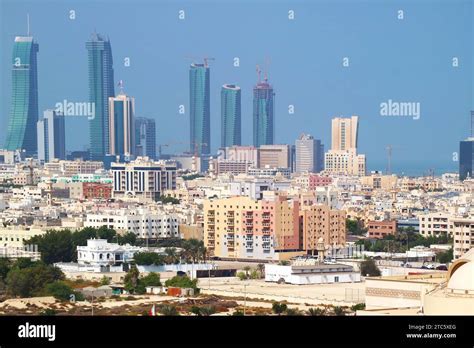
For the first time, Manama secures a spot in the top ten with a Safety Index of 81.0, reflecting Bahrain’s increased focus on public safety. The government has adopted a comprehensive strategy that includes road safety campaigns, digital security systems, and enhanced police training. Manama’s entry into this elite group signifies the success of these reforms, showcasing how smaller capitals can ascend in global safety rankings through targeted efforts.
Muscat, Oman
Muscat reaffirms its position in the top ten after first appearing in 2021. The city’s long-standing political stability, combined with low rates of violent crime, positions it as one of the region’s safest urban centers. Law enforcement in Muscat emphasizes community-centered policing, while various social programs aim to reduce crime risk across neighborhoods. This multifaceted approach helps create a safe atmosphere for both residents and visitors.
The Hague, Netherlands
With a Safety Index of 79.5, The Hague holds steady at number eight, continuing its momentum from last year. As the administrative capital of the Netherlands and a hub for international diplomacy, The Hague benefits from robust security protocols and civic engagement. Local authorities prioritize crime reduction programs and community safety initiatives, making the city inviting for locals and expatriates alike.
Munich, Germany
Munich remains a consistent presence in global safety rankings, although its position has seen slight declines in recent years. The city has developed a resilient public safety system characterized by responsive policing, urban planning focused on safety, and public awareness campaigns. These elements contribute to Munich’s lasting reputation as a secure destination for both residents and visitors, making it a sought-after locale in Europe.
Trondheim, Norway
Rounding out the top ten, Trondheim returns to the list in 2025 with a Safety Index of 79.3. Known for its rich historical roots and vibrant student population, Trondheim combines tradition with contemporary safety solutions. The city implements neighborhood watch programs, efficient public transport safety systems, and responsive emergency services. Collectively, these measures position Trondheim as one of the most secure cities in Northern Europe.
Conclusion: The UAE’s Dominance in Global Safety
The United Arab Emirates continues to set a global standard for city safety. With Abu Dhabi, Dubai, and Sharjah all ranked within the top five, the UAE dominates the safety rankings for 2025. Beyond individual cities, the country as a whole ranks second worldwide for safety, trailing only Andorra. Neighboring Gulf nations like Qatar, Bahrain, and Oman also excel, solidifying the region’s reputation as one of the world’s safest destinations for living, working, and traveling.
As cities around the globe grapple with safety concerns, the strategies employed by the UAE, Qatar, Taiwan, and Bahrain serve as exemplary models, demonstrating how effective governance, community engagement, and technological innovation can create environments where safety thrives.