Airline safety in 2025 is no longer a narrow discussion focused solely on accident statistics. We now assess safety as a holistic system encompassing fleet modernity, maintenance discipline, pilot training depth, operational transparency, and real-time risk management. Airlines that consistently perform at the highest level demonstrate not only an absence of fatal incidents but also a culture where safety is embedded into every operational decision, from aircraft acquisition to cabin procedures.
We observe that the world’s safest airlines share a defining trait: they treat safety as a living system rather than a static checklist. These carriers continuously invest in next-generation aircraft, data-driven maintenance programs, and rigorous audit processes that exceed international regulatory baselines. Their safety leadership is not accidental; it is engineered through long-term strategy, conservative decision-making, and institutional accountability.
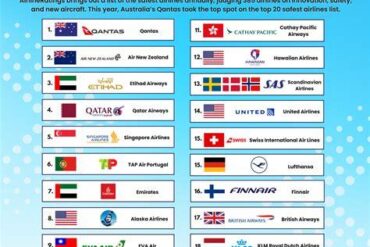
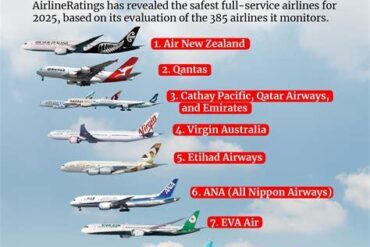
In this comprehensive review, we examine seven airlines with superior safety records in 2025, selected through a combination of independent safety ratings, incident history, fleet age analysis, and operational oversight. Some of these airlines are repeat leaders, while others have surged forward through transformative investments. Together, they represent the highest standard of commercial aviation safety worldwide.
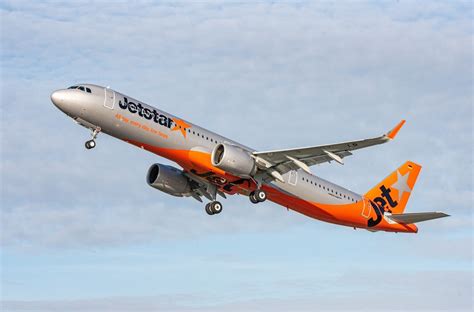
Jetstar Airways – Safety Discipline Within a Low-Cost Model
Jetstar Airways stands as a compelling example that low-cost operations and elite safety standards are not mutually exclusive. As a wholly owned subsidiary of the Qantas Group, Jetstar inherits one of the most conservative safety cultures in aviation history. Since its launch in 2004, the airline has maintained a spotless fatality-free record, a rare achievement in the budget airline segment.
What distinguishes Jetstar is its deliberate decision to mirror Qantas’ maintenance protocols, pilot training standards, and safety management systems. This alignment ensures that cost efficiencies never compromise operational integrity. In 2025, AirlineRatings.com ranked Jetstar as the second-safest low-cost carrier globally, awarding it a flawless 7/7 safety score.
Fleet modernization plays a crucial role in Jetstar’s safety performance. The airline is actively replacing older aircraft with the Airbus A321LR, delivering improved range, reduced mechanical complexity, and enhanced fuel efficiency. Jetstar also operates a dedicated long-haul fleet of Boeing 787-8 Dreamliners, allowing it to conduct transcontinental and transoceanic flights with aircraft designed for extended operations, reduced pilot fatigue, and advanced system redundancy.
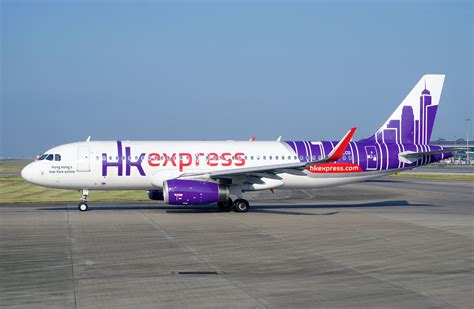
HK Express – The World’s Safest Low-Cost Carrier
HK Express has redefined what safety excellence looks like in the low-cost aviation sector. As the only low-cost carrier based in Hong Kong and a subsidiary of Cathay Pacific, the airline benefits from a deeply ingrained safety philosophy rooted in one of Asia’s most respected aviation groups. In 2025, HK Express achieved a historic milestone by becoming the first low-cost airline globally to receive a 7-Star PLUS safety rating.
This distinction followed six anonymous audits assessing operational safety, cabin procedures, emergency preparedness, and compliance consistency. The airline’s all-Airbus A320 family fleet, with an average age under eight years, minimizes mechanical risk while simplifying training and maintenance processes. Standardized fleets reduce human error, a critical safety variable in airline operations.
HK Express’ safety leadership is further reinforced by its disciplined growth strategy. Rather than rapid, uncontrolled expansion, the airline has focused on incremental fleet growth paired with training capacity, ensuring that pilots, engineers, and cabin crew scale in lockstep with aircraft deliveries. Its reliability record across Asian routes has positioned HK Express as a benchmark for safety-conscious budget travel.
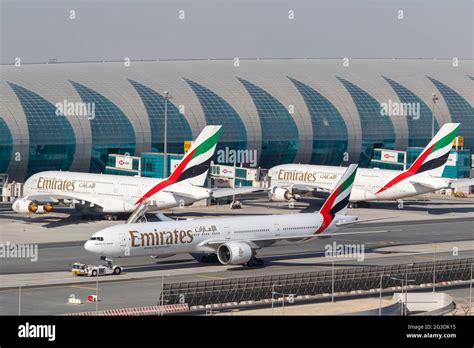
Emirates – Widebody Excellence With Zero Compromise
Emirates continues to exemplify how scale and safety can coexist at the highest level. Operating one of the world’s largest widebody-only fleets, the airline earned a 7-Star PLUS safety rating in 2025, tying for third place globally. Remarkably, Emirates has never recorded a fatal accident in the modern jet era, an achievement few global mega-carriers can claim.
The airline’s safety performance is anchored in its fleet strategy. Emirates operates the world’s largest fleets of Airbus A380s and Boeing 777s, aircraft known for structural robustness and redundant systems. In 2025, Emirates accelerated the introduction of the Airbus A350-900, integrating next-generation avionics, advanced flight control systems, and predictive maintenance technologies.
Equally significant is Emirates’ investment in cabin and systems retrofits, extending the operational life of aircraft while upgrading safety-critical components. The rollout of high-speed Starlink connectivity enhances real-time aircraft health monitoring and operational communication, adding another layer of situational awareness. For Emirates, safety is not a static record; it is an evolving ecosystem supported by technology and procedural rigor.
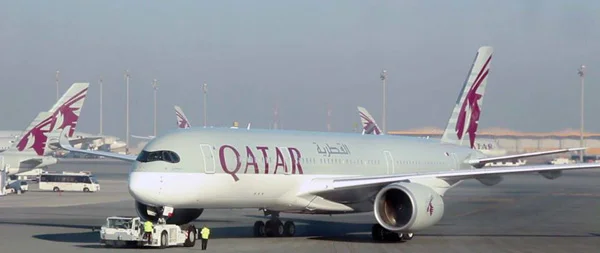
Qatar Airways – Precision, Consistency, and Global Reach
Qatar Airways remains neck and neck with the safest airlines in the world, supported by a safety record that reflects extraordinary operational discipline. Since commencing operations in 1994, the airline has recorded no fatal passenger crashes, a testament to its uncompromising approach to risk management and training.
In 2025, Qatar Airways retained its seven-star safety rating while being named World’s Best Airline by Skytrax for the ninth consecutive year. While service excellence defines its brand, safety underpins every operational layer. The airline’s fleet, comprising Airbus A350s and Boeing 787 Dreamliners, maintains an average age of just over ten years, reducing exposure to age-related mechanical risks.
Qatar Airways’ commitment to safety extends beyond aircraft hardware. Its completion of fleet-wide Starlink connectivity on Boeing 777s enhances situational awareness, real-time diagnostics, and operational decision-making. Based at Hamad International Airport, consistently ranked among the world’s best, the airline benefits from infrastructure designed for precision operations and minimal ground-risk exposure.
Cathay Pacific – Audit-Driven Safety Leadership
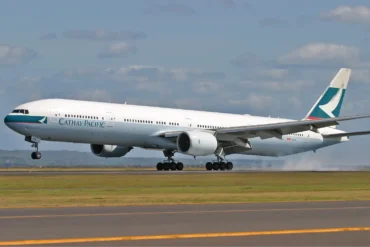
Cathay Pacific achieved a landmark distinction in 2025 by becoming the first full-service airline to receive the 7-Star PLUS Safety Rating. This accolade followed a 70-point safety audit evaluating not only operational metrics but also passenger-facing safety practices, including cabin briefings, lithium battery policies, and crew professionalism.
The airline’s safety culture is reinforced by methodical fleet renewal. Operating more than 230 aircraft with an average age below thirteen years, Cathay Pacific balances operational maturity with technological modernization. The integration of Airbus A330-900neo aircraft and A350 freighters reflects a forward-looking approach that prioritizes system reliability and efficiency.
Cathay Pacific’s investment in 100% fleet-wide high-speed WiFi connectivity is not merely a passenger convenience. It enables enhanced operational data exchange, predictive maintenance alerts, and real-time communication between flight crews and ground operations. Safety, in this context, is treated as a networked system rather than an isolated cockpit responsibility.
Qantas – A Century of Safety Innovation
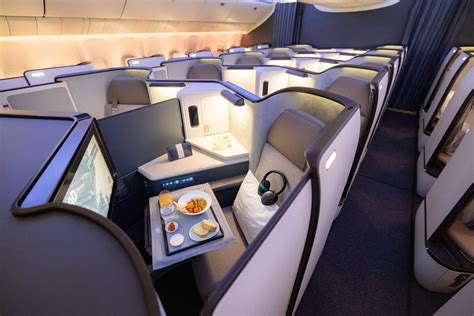
Few airlines carry a safety legacy as profound as Qantas. Known globally as “The Flying Kangaroo,” Qantas has maintained zero fatal jet-era accidents, a record spanning decades of technological change and route expansion. In 2025, the airline ranked second among mainline carriers, influenced primarily by its higher average fleet age rather than any operational shortcomings.
Qantas has historically been a pioneer of safety innovation, contributing to the development of flight data recorders and advanced operational monitoring. Today, the airline is executing the largest fleet renewal in its history, replacing older Boeing 717 and 737 aircraft with Airbus A220s and A321XLRs, significantly enhancing reliability and redundancy.
The airline’s ambitious Project Sunrise underscores its conservative approach to ultra-long-haul operations. Every aspect of the program, from aircraft design to crew rest protocols, is engineered around fatigue mitigation and operational resilience. Qantas’ safety reputation is not sustained by history alone; it is actively reinforced through modernization and cautious expansion.
Air New Zealand – The World’s Safest Airline in 2025
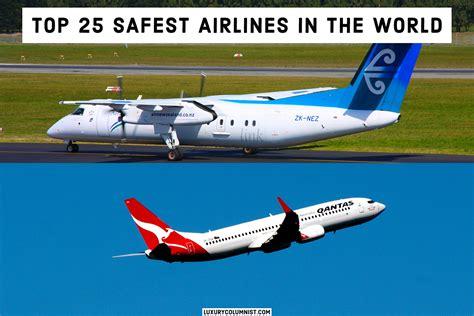
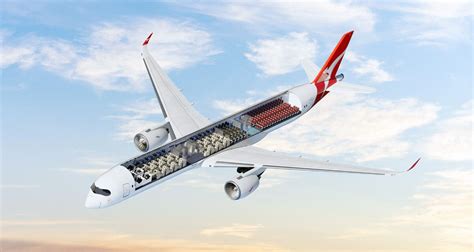
Air New Zealand earned the distinction of the safest airline in the world for 2025, edging out even its closest competitors through a combination of younger fleet age, operational consistency, and environmental complexity mastery. The airline has not experienced a significant accident since 1979, despite operating in some of the most demanding flight environments globally.
New Zealand’s geography presents unique challenges, from mountainous terrain to volatile weather patterns. Air New Zealand’s pilots routinely operate into airports such as Queenstown, widely regarded as one of the world’s most technically demanding commercial destinations. The airline’s training programs emphasize manual flying proficiency, situational awareness, and decision-making under pressure.
Its fleet of Boeing 787-9 Dreamliners and 777-300ERs, averaging just over ten years of age, supports a safety framework built on technological reliability and crew competence. Innovations such as the Skycouch and Skynest demonstrate that Air New Zealand pairs safety leadership with thoughtful cabin design, reinforcing passenger confidence across all classes.
Why These Airlines Define Safety Leadership in 2025
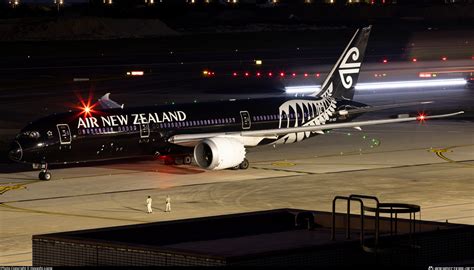
What unites these seven airlines is not geography, business model, or brand positioning, but a shared philosophy that safety is non-negotiable. They invest ahead of regulation, audit themselves beyond compliance, and treat every operational decision as a potential safety variable. In an era of rapid aviation growth and technological transition, these carriers demonstrate that excellence is sustained through discipline, transparency, and long-term vision.
For passengers, choosing one of these airlines in 2025 means flying with organizations that have proven, repeatedly and independently, that safety is embedded at the core of their identity.