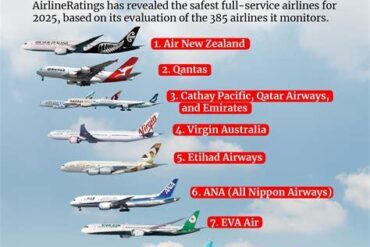
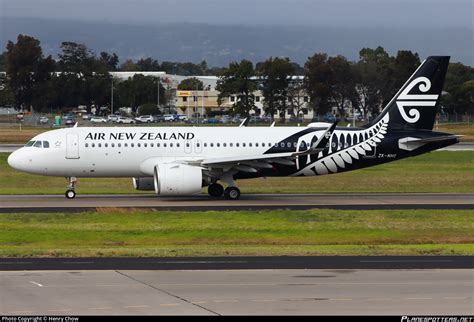
Air New Zealand has solidified its reign as the safest airline in the world for 2025, according to the authoritative safety rankings released by AirlineRatings.com. The annual report, which meticulously evaluates airlines based on comprehensive criteria including fleet age, incident records, pilot training standards, and safety management systems, underscores Air New Zealand’s unwavering dedication to passenger safety and operational excellence. In a fiercely competitive landscape, Air New Zealand’s modern fleet and robust safety culture have enabled it to maintain a narrow lead over Qantas, which once again secured a strong second place.
The meticulous rankings compiled by AirlineRatings.com offer invaluable insights into the aviation sector’s safety performance. Air New Zealand, identified by its IATA code NZ, has consistently demonstrated superiority in key safety categories. With a fleet characterized by cutting-edge aircraft technology and rigorous maintenance standards, the airline exemplifies what it means to be at the pinnacle of aviation safety. Its unwavering investment in pilot training programs and safety initiatives has kept it at the forefront despite intensifying competition.
Qantas: A Close Second With Legendary Safety Standards
Trailing closely behind Air New Zealand, Qantas (QF) continues to earn accolades for its legendary safety record. Renowned for its comprehensive safety protocols, Qantas has made substantial investments in fleet modernization and pilot competency programs. The airline’s safety culture is deeply ingrained in its operations, reflected in its ability to maintain a near-spotless incident history over recent years. The mere 1.5-point margin separating Qantas from the top spot is a testament to its relentless pursuit of safety perfection.
Emirates, Qatar Airways, and Cathay Pacific Share Third Place
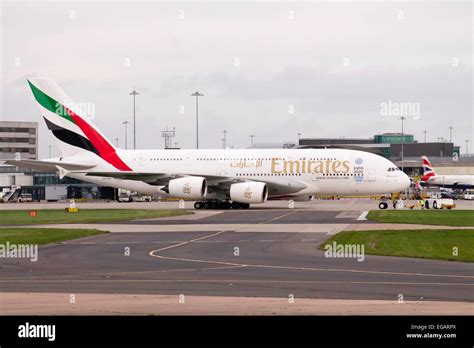
A remarkable three-way tie for third place in the 2025 rankings highlights the intense competition among global carriers. Emirates (EK), Qatar Airways (QR), and Cathay Pacific (CX) have all earned recognition for their steadfast commitment to safety. Each of these airlines operates a state-of-the-art fleet, adheres to stringent maintenance protocols, and cultivates a culture where safety remains paramount.
Emirates, with its expansive and technologically advanced fleet, has long been a standard-bearer for operational integrity in the Middle East. Qatar Airways’ reputation for meticulous training and disciplined operations further underscores the high bar set by Gulf carriers. Meanwhile, Cathay Pacific continues to leverage its long-standing traditions of safety and service, securing its place among the world’s most trusted airlines.
Rising Stars and New Entrants in the 2025 Safety Rankings
The 2025 rankings also spotlight airlines making significant strides in aviation safety. Iberia (IB) and Vietnam Airlines (VN) have debuted among the safest airlines, a reflection of their determined efforts to enhance operational safety through fleet upgrades, advanced safety systems, and comprehensive pilot development programs. Their inclusion demonstrates the global aviation sector’s progressive shift toward universal safety excellence.
Equally notable is the ascent of Korean Air (KE) into the top 10, following substantial investments in fleet renewal and safety protocol refinement. Korean Air’s surge reflects its strategic focus on embedding safety as a core operational pillar, ensuring the highest standards of passenger security.
The 2025 Top 20 Safest Full-Service Airlines
AirlineRatings.com’s full-service airline safety list for 2025 is a showcase of global aviation leaders who have excelled in maintaining modern fleets, implementing effective safety management, and prioritizing crew training. These airlines represent the gold standard in ensuring passenger well-being:
- Air New Zealand (NZ)
- Qantas (QF)
- Cathay Pacific (CX)
- Qatar Airways (QR)
- Emirates (EK)
- Virgin Australia (VA)
- Etihad Airways (EY)
- ANA (NH)
- EVA Air (BR)
- Korean Air (KE)
- Alaska Airlines (AS)
- Turkish Airlines (TK)
- TAP Portugal (TP)
- Hawaiian Airlines (HA)
- American Airlines (AA)
- SAS (SK)
- British Airways (BA)
- Iberia (IB)
- Finnair (AY)
- Lufthansa/Swiss (LH/LX), JAL (JL), Air Canada (AC)
Spotlight on the Safest Low-Cost Airlines of 2025
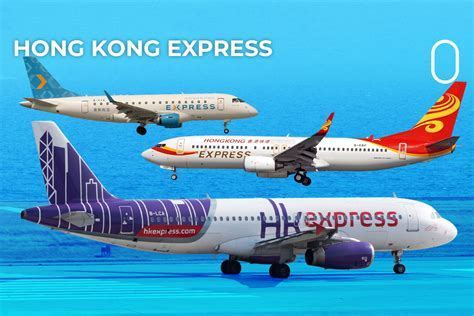
Safety within the low-cost carrier sector has garnered significant attention in recent years, and 2025 is no exception. Hong Kong Express (UO) leads the rankings in this category, owing to its spotless safety record and dedication to operational integrity. Other prominent names include Jetstar Group (JQ), Ryanair (FR), easyJet (U2), and Frontier Airlines (F9). Each of these carriers has successfully balanced affordability with rigorous safety measures, underscoring that low-cost does not equate to low safety standards.
Understanding the Metrics Behind Airline Safety Rankings
AirlineRatings.com employs an intricate evaluation model to determine its annual safety rankings. Factors such as aircraft age, implementation of safety management systems, incident history, and pilot qualifications are scrutinized meticulously. The global fatality risk per flight, estimated at one in 13.7 million, serves as a powerful reminder of aviation’s status as one of the world’s safest modes of transportation.
However, the tragic accidents that occurred in December 2024, resulting in over 200 fatalities, emphasize the aviation industry’s moral and operational obligation to strive for continuous improvement. The relentless pursuit of safety advancements—whether through innovative aircraft technology, enhanced pilot training, or refined operational protocols—remains central to protecting lives.
Why the 2025 Safety Rankings Matter to Travelers
For discerning travelers, the 2025 airline safety rankings offer more than just statistics—they provide peace of mind. Knowing that an airline adheres to the highest safety standards enables passengers to book flights with confidence. These rankings also act as a barometer of the aviation sector’s health, revealing how airlines worldwide are adapting to new challenges while safeguarding their passengers. In a world where air travel is integral to global connectivity, the importance of maintaining and advancing safety practices can never be overstated.
The dedication displayed by Air New Zealand, Qantas, Emirates, and their peers sets a benchmark for others in the industry. As aviation technology evolves and safety challenges grow more complex, the commitment of these carriers ensures that the skies remain safe for all.