The methodology behind the rankings involves a comprehensive assessment of multiple critical factors. These include:
- The number of serious incidents reported over the past two years
- The age and size of the airline’s fleet
- Pilot skills and training programs
- IOSA (IATA Operational Safety Audit) certification
- ICAO (International Civil Aviation Organization) country audits
Additionally, considerations such as an airline’s profitability and overall safety record weigh heavily in the evaluation process. This multifaceted approach ensures that the rankings reflect a holistic view of each airline’s safety standards.
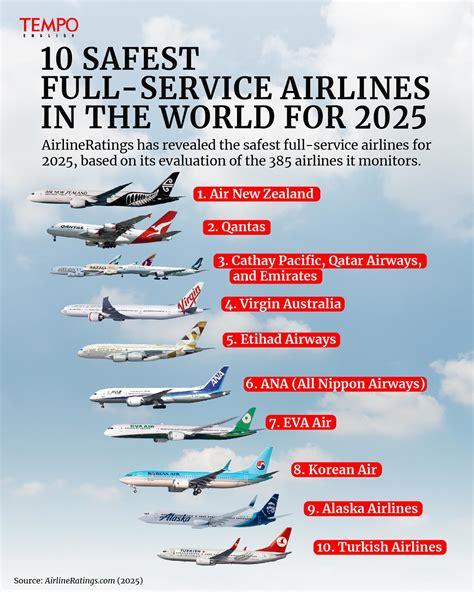
For 2025, the list of the top ten safest full-service airlines is as follows:
- Air New Zealand
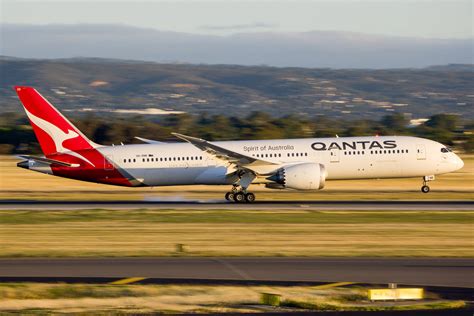
- Qantas
- Cathay Pacific
- Qatar Airways
- Emirates
- Virgin Australia
- Etihad Airways
- ANA (All Nippon Airways)
- EVA Air
- Korean Air
- Alaska Airlines
- Turkish Airlines (THY)
These airlines have not only demonstrated exceptional safety standards but have also become models for the industry, setting benchmarks for others to aspire to. Their consistent presence in the top rankings highlights their commitment to maintaining high safety protocols and operational excellence.
Global Implications of Airline Safety Rankings
The ramifications of these rankings extend far beyond the aviation industry itself. Airlines that achieve top safety scores inherently inspire trust among passengers, significantly influencing global tourism, business travel, and overall trade. Carriers such as Cathay Pacific, Qatar Airways, and Emirates—also featured prominently in the top 10—have cultivated reputations as reliable airlines offering exceptional safety and comfort.
As travelers become increasingly aware of safety standards that define their flight experiences, their choices will be heavily influenced by these rankings. This shift toward prioritizing safety means that airlines aiming to remain competitive must continually enhance their safety protocols, fleet management, and training programs to meet rising consumer expectations. Countries with airlines that top these rankings will naturally benefit from enhanced air connectivity, attracting more international visitors and business travelers.
Shifts in the Aviation Landscape: Rising Competitors
The 2025 rankings reveal intriguing shifts within the global aviation landscape. For instance, Korean Air has made a remarkable ascent into the top 10, reflecting its ongoing commitment to enhancing safety practices and modernizing its fleet. Conversely, notable carriers such as Singapore Airlines and KLM, historically known for their robust safety records, did not make the list this year, marking a significant change in the competitive dynamics of the industry.
Additionally, Vietnam Airlines and Iberia have debuted in the top 25 rankings, showcasing the dynamic nature of the aviation sector. Vietnam Airlines, in particular, has made substantial advancements in improving its safety measures and fleet management, earning its place among the world’s safest airlines in 2025. These changes illustrate how emerging competitors are beginning to challenge traditional leaders in the industry.
The Rise of Low-Cost Carriers
In parallel with the full-service airlines, AirlineRatings.com also released its Top 25 Safest Low-Cost Airlines for 2025, emphasizing the growing significance of budget carriers within the global aviation framework. The notable low-cost airlines making this list include:
- HK Express
- Jetstar Group
- Ryanair
- easyJet
- Frontier Airlines
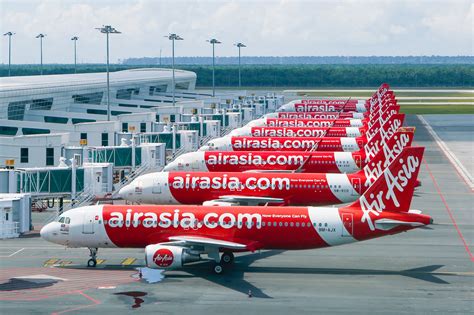
- AirAsia
- Wizz Air
These carriers have implemented significant enhancements in their safety protocols, effectively narrowing the gap between budget airlines and full-service carriers. This evolution is reshaping how travelers perceive affordable air travel, demonstrating that safety no longer needs to be compromised for cost-effective flights. The inclusion of Indian airlines like IndiGo and AirAsia underscores the increasing prominence of airlines from Asia and other emerging regions within the aviation sector. As these carriers continue to evolve and improve, they are poised to play a larger role in shaping the future of global air travel.
Impact on the Travel Industry and Consumer Choices
The safety rankings for 2025 are set to profoundly influence the global travel industry. As passengers become more safety-conscious, airlines that excel in these rankings are likely to experience increased demand. Travelers are inclined to choose carriers renowned for their commitment to safety and reliability. This trend may lead to a decline in demand for airlines with lower rankings, exerting pressure on them to enhance their fleet management and pilot training.
Moreover, the rankings have broader implications for international trade and tourism. Countries with top-ranked airlines are likely to witness a surge in foreign visitors and business travelers who prioritize safe travel options. Enhanced air connectivity can greatly benefit local economies and the wider global tourism sector.
As international travel continues its recovery in the post-pandemic era, safety will undoubtedly remain a top priority for passengers. For many, these rankings will serve as crucial decision-making tools, directly influencing their flight choices and shaping the trajectory of global tourism in the years ahead. Airlines must continuously elevate their standards in safety, comfort, and service to retain their positions as leaders in the ever-evolving aviation industry.