The skies in 2025 have never been more competitive—or more democratized. As the latest World Airline Awards unveiled their much-anticipated rankings of the best low-cost airlines, a new class of budget carriers has risen, transforming what once meant “cheap travel” into a sophisticated, customer-focused, innovation-driven experience. Topping this elite list are Transavia, easyJet, AirAsia, Scoot, Volotea, Eurowings, Vueling, and Iberia Express—airlines now setting global benchmarks for low-cost excellence.
These names may be familiar, but their latest accolades represent a fundamental shift in aviation. In 2025, low-cost no longer means low value—it means agility, modernization, and accessibility. The following in-depth look reveals why these eight airlines are capturing headlines and hearts alike.
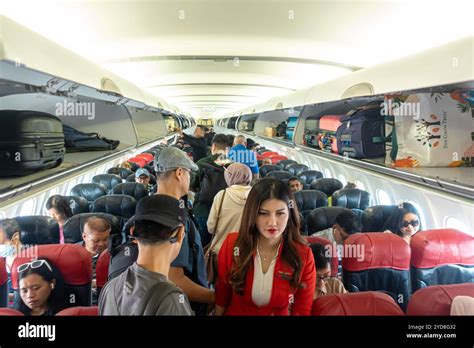
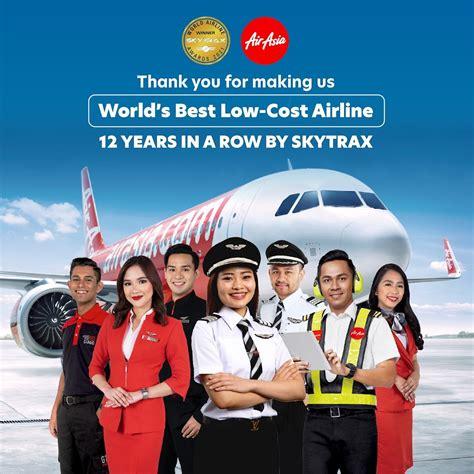
AirAsia: Sixteen Years at the Top—And Still Climbing
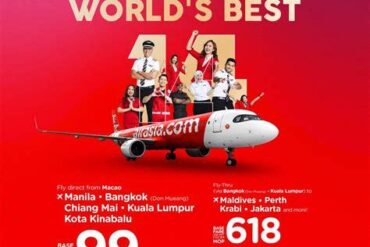
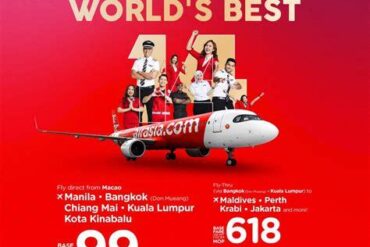
With 16 consecutive wins, AirAsia remains a titan in the low-cost space, unmatched in Asia and increasingly relevant in long-haul travel through AirAsia X. Its success lies not in sheer scale alone, but in its digital-first customer experience, streamlined operations, and a sharp focus on Southeast Asian connectivity. From the moment a traveler opens the AirAsia app to booking budget-friendly seats to Bali or Kuala Lumpur, the experience feels seamless and modern.
Even in a post-pandemic aviation landscape fraught with volatility, AirAsia has managed to maintain service quality while embracing cutting-edge AI-driven pricing, loyalty perks, and operational efficiency. The airline’s forward momentum is rooted in its founding ethos—“Now Everyone Can Fly”—a mission it continues to fulfill with stunning consistency.
Scoot: Disrupting the Long-Haul Market With Style
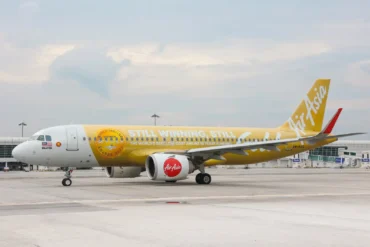
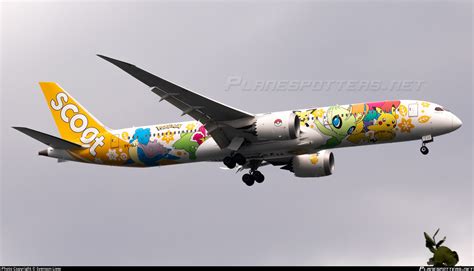
Scoot, the low-cost sibling of Singapore Airlines, has carved a niche that few dare to touch: affordable long-haul travel. Scoot isn’t just expanding reach—it’s expanding accessibility, especially for under-30 travelers, digital nomads, and Asian expats eager for reasonably priced transcontinental routes. With destinations spanning Athens to Sydney, Scoot’s bright yellow fleet is as recognizable as it is respected.
What sets Scoot apart is not just price, but experience. Offering a curated mix of service tiers, in-flight Wi-Fi, and surprisingly roomy Dreamliners, Scoot proves that budget travel doesn’t have to be basic.
easyJet: A Brexit Survivor and Pan-European Titan
easyJet continues to reign over European airspace despite enormous geopolitical and economic headwinds, from Brexit to rising operating costs. With its iconic orange branding and fanatically punctual services, easyJet delivers a service that straddles the line between legacy and low-cost.
This British carrier has stayed agile by investing in sustainability initiatives, fleet modernization, and mobile-first booking experiences. Routes span from Lisbon to Kraków, with a particular focus on flexibility—appealing to both business travelers and spontaneous adventurers. As European rail competes fiercely for short-haul dominance, easyJet’s air routes remain indispensable due to superior network reach and pricing advantage.
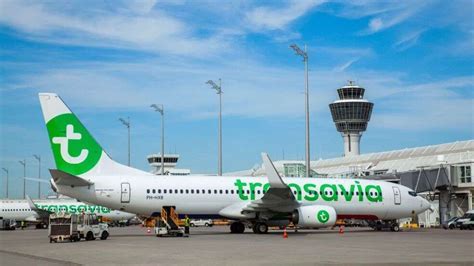
Transavia: A Hidden Giant in Holiday Travel
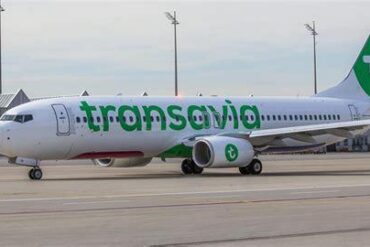
While Transavia might fly under the radar compared to Ryanair or Wizz Air, this Dutch-French airline is emerging as a key player for short-haul European escapes. A part of the Air France–KLM group, Transavia’s hybrid low-cost model strikes the perfect balance between affordability and experience.
The airline thrives on seasonal flexibility, opening new routes based on demand peaks. From Mediterranean beaches to Alpine ski resorts, Transavia appeals to vacationers across France, the Netherlands, and beyond. Travelers praise its consistent service, cheerful staff, and the ease of adding extras like seat selection and baggage without being nickel-and-dimed.
Eurowings: Lufthansa’s Budget Weapon
In 2025, Eurowings has solidified its position as Europe’s best low-cost airline, elevating the concept of budget flying with the might of the Lufthansa Group behind it. Unlike some rivals that cut corners, Eurowings focuses on what truly matters: on-time flights, clean cabins, and reliable customer service.
Its strategy leans into underserved routes and secondary airports, boosting regional mobility across Germany, Austria, and Scandinavia. With its Business Class Lite product and eco-friendly initiatives, Eurowings offers an upgraded experience for travelers who want value—but with added dignity.
Iberia Express and Vueling: Spain’s Twin Budget Engines
Spain’s aviation scene is thriving thanks to two strong contenders: Iberia Express and Vueling Airlines. Iberia Express is particularly strong on routes connecting Madrid with Europe’s top cultural hubs, often acting as a feeder to parent company Iberia’s long-haul operations.
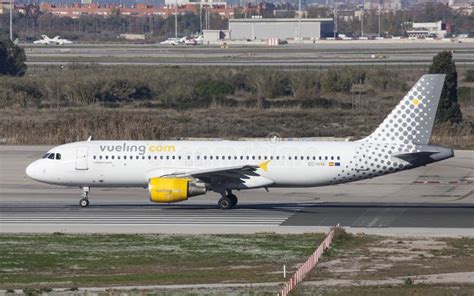
Vueling, meanwhile, has transformed into a pan-European player, thanks to its expansive network and traveler-centric pricing. Whether flying to Florence, Dubrovnik, or Mykonos, Vueling offers consistent schedules, modern Airbus aircraft, and the benefit of being part of the IAG group—alongside British Airways and Iberia.
Volotea: The Quiet Revolution From Mid-Sized Cities
Volotea might lack the global name recognition of others, but it has quietly redefined what it means to connect secondary European cities. The Spanish airline serves destinations like Bordeaux, Palermo, and Verona—places underserved by the majors.
Volotea’s secret weapon is simplicity: point-to-point service, user-friendly booking, and attentive staff. This localized approach has built strong loyalty in France, Italy, and Spain. In a market saturated with mass transporters, Volotea has succeeded by staying small, nimble, and intimately in tune with local travel needs.
Why These Airlines Are Winning in 2025
The success of these carriers is more than operational—it’s philosophical. They have each embraced a new era in which budget does not equal bad. Their ongoing investment in:
- Digital transformation: including mobile booking, AI-based scheduling, and dynamic pricing.
- Customer experience upgrades: such as in-app perks, loyalty programs, and optional services.
- Sustainability and efficiency: from modern fleets to carbon offset options.
These innovations give them an edge in a world where travelers want control, customization, and clarity.
Economic and Tourism Impact: Budget Airlines as Catalysts
Low-cost airlines are reshaping economies, not just passenger logs. As they expand into underserved destinations, they unlock new tourism markets and spur economic development. Cities once off the grid—such as Lombok in Indonesia, Porto in Portugal, and Jaipur in India—are experiencing surges in tourism, often led by student travelers, backpackers, and digital nomads.
Their footprint is vast: from job creation in airport regions to stimulating small hospitality businesses and opening new corridors of cultural exchange. The affordability of travel spurs inclusivity, making air travel no longer a luxury for the few, but a lifestyle choice for the many.
Policy, Regulation, and the Challenges Ahead
As influence grows, scrutiny tightens. Governments and watchdogs across Europe and Asia are closely examining pricing strategies, environmental footprints, and employment standards within the low-cost ecosystem. Labor strikes, emission mandates, and airport slot limitations could slow momentum—but many of these carriers are already adapting.
Most are embracing carbon-neutral growth, electrified ground operations, and biofuel trials. By being smaller and more agile than legacy airlines, they can pivot faster, partner smarter, and deliver value that aligns with both market and policy expectations.
Conclusion: A New Paradigm for Global Air Travel
The winners of 2025 have demonstrated one unshakable truth: low-cost airlines are no longer just alternatives—they are often the first choice. Through smart strategy, relentless efficiency, and customer focus, they have shattered the stigma of budget flying.
Travelers today crave affordability without compromise, and these airlines are delivering just that. The future of air travel doesn’t lie in golden lounges or caviar at 40,000 feet—it lies in accessible, efficient, and enjoyable journeys for the modern traveler. And that future is already here, cruising above us, one low-cost seat at a time.