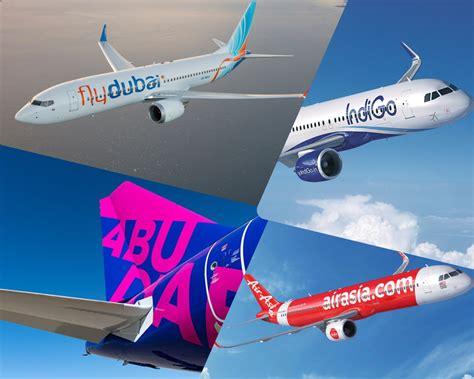
In 2025, low-cost airlines are no longer seen as fringe options for the ultra-budget conscious — they are now front and center in the global aviation market. With continued pressure on consumer spending and a post-pandemic surge in leisure travel, the world’s most agile and cost-effective carriers have evolved into industry-defining players. AirAsia, Allegiant Air, and Wizz Air are three of the biggest names shaping this landscape, leveraging distinct regional strategies to disrupt traditional airline models and reimagine what it means to fly affordably.
AirAsia: Southeast Asia’s Undisputed Low-Cost Giant
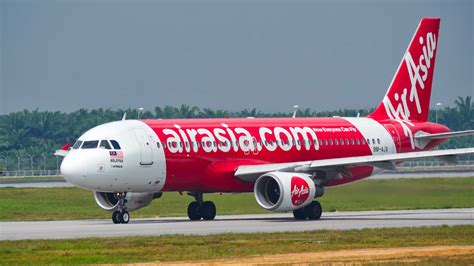
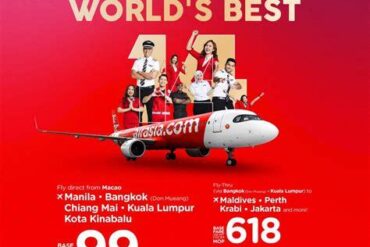
AirAsia, based in Malaysia, has again earned the title of World’s Best Low-Cost Airline at the Skytrax World Airline Awards — for the 16th year out of 19. Its enduring leadership in the Asia-Pacific region comes down to three key factors: unbeatable prices, massive route coverage, and a stripped-down but reliable customer service model that works seamlessly for cost-conscious travelers.
The airline’s reach extends far beyond Malaysia. With subsidiaries like AirAsia Thailand, AirAsia Philippines, and Indonesia AirAsia, the group provides extensive connectivity across ASEAN countries. AirAsia’s edge lies not just in cheap tickets but also in its powerful super app ecosystem, which merges flight booking, ride-hailing, hotel reservations, and food delivery — a strategy that adds digital convenience to affordability.
While legacy carriers struggle to return to profitability, AirAsia’s lean cost structure and digitized operations allow it to keep base fares stunningly low. Their no-frills cabin layout may lack luxury, but their punctuality rates and safety records meet — and often exceed — global standards. For millions of travelers throughout Southeast Asia, AirAsia isn’t the backup choice. It’s the default.
Scoot: Singapore’s Hybrid Long-Haul Champion
A key part of the Singapore Airlines Group, Scoot illustrates the unique success that comes from blending low-cost pricing with premium oversight. Scoot’s recognition as the Best Long-Haul Low-Cost Airline is earned through careful route selection, an expanding fleet of Boeing 787 Dreamliners, and intercontinental service that feels more full-service than budget.
Scoot achieves balance by relying on Singapore Airlines’ operational backbone, while running independently with low fare structures. It’s a rare example of a carrier that manages to maintain low costs across Asia-Europe routes without the severe sacrifices in comfort commonly associated with ultra-low-cost models. Scoot’s trajectory shows that even in a price-sensitive market, a middle ground between full-service and budget flying can thrive — especially on longer routes where comfort becomes a more decisive factor.
Allegiant Air: North America’s Regional Powerhouse
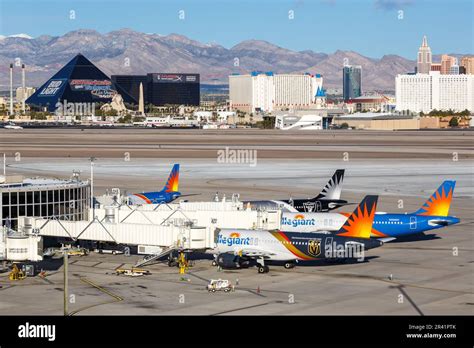
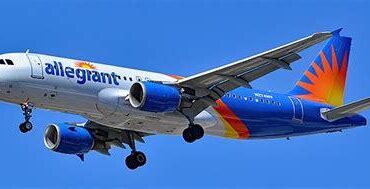
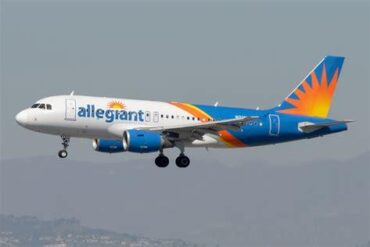
In the United States, Allegiant Air has emerged as a standout. Crowned North America’s Best Low-Cost Airline by Skytrax in 2025, Allegiant’s business model is distinct from competitors like Spirit or Frontier. Instead of crowding busy hubs, Allegiant targets secondary airports and leisure routes that most major carriers overlook. This deliberate focus on underserved markets — such as routes from mid-size cities to vacation hotspots — keeps operating costs down and occupancy rates high.
Allegiant’s point-to-point strategy reduces overhead from complex connecting flights, and its decision to fly older aircraft (mostly Airbus A320s) contributes to manageable maintenance costs. Unlike Spirit, Allegiant avoids charging for every minor add-on, offering more bundled services that enhance value. It also strategically aligns flight schedules with travel demand, often flying only a few times per week per route, optimizing for profitability over volume.
Spirit Airlines and the Affordability Paradox
Spirit Airlines continues to hold the record for lowest base fares in the U.S., according to WalletHub’s 2025 Airline Report. But those headline-grabbing prices come with a cost: minimal comfort, unbundled fees for carry-ons and seat selection, and low customer satisfaction ratings. Spirit exemplifies the affordability paradox in the U.S. airline market — the cheapest ticket may cost more once essential add-ons are factored in.
Still, Spirit’s presence is critical to the budget ecosystem. Its aggressive fare structure keeps pressure on other airlines to compete on price. Spirit’s expansion into larger airports and efforts to improve on-time performance in 2025 show that even ultra-low-cost models are adjusting to passenger expectations — slowly but notably.
Verified Low Fares: DOT and WalletHub Data
The U.S. Department of Transportation (DOT) backs up the popularity of Spirit and Allegiant with hard numbers. According to their latest Domestic Airline Fares Consumer Report, these two carriers offer the lowest average fares among U.S.-based airlines — even without accounting for baggage or optional fees.
WalletHub’s annual airline study offers a different angle, layering in data on reliability, comfort, and customer sentiment. While Spirit wins on pure ticket price, airlines like JetBlue, Delta, and Hawaiian Airlines outperform on satisfaction metrics. This gap reveals a growing market segmentation — some travelers want the cheapest flight possible, while others prioritize a more seamless experience.
Wizz Air: Europe’s Budget Conqueror
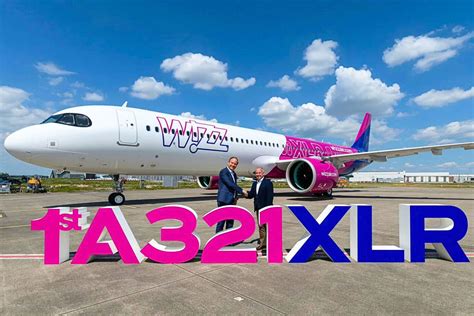
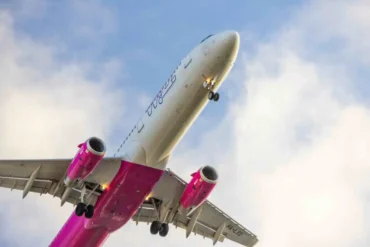
Wizz Air, based in Hungary, continues to redefine how far a low-cost carrier can go in Europe and beyond. In 2025, its aggressive expansion strategy — notably through Wizz Air Abu Dhabi — pushes its footprint deep into the Middle East and Central Asia. This geographic expansion is fueled by one of the youngest and most fuel-efficient fleets in the world, predominantly Airbus A321neo aircraft.
Wizz Air’s model rests on a few essential pillars: minimized turnaround times, fleet uniformity, and an almost entirely digital passenger journey. Everything from check-in to boarding is optimized through their app and web portal, reducing staffing costs and speeding up operations.
By focusing on unbundled services, Wizz Air keeps base fares exceptionally low, while upselling seats, bags, and food. It’s a model that European travelers have now fully adapted to — and expect. As a result, Wizz Air is often the cheapest way to get across the continent, with routes spanning from Spain to Saudi Arabia.
Middle East and Norse Atlantic Airways: A New Challenger Appears
Norse Atlantic Airways, based in Norway, is making waves in 2025 as a long-haul low-cost challenger with flights from North America to Europe at game-changing prices. It targets transatlantic travelers with a simple message: affordable, direct, and modern. Using a fleet of Boeing 787 Dreamliners, Norse offers low fares while maintaining comfort on routes where traditional full-service airlines continue to dominate.
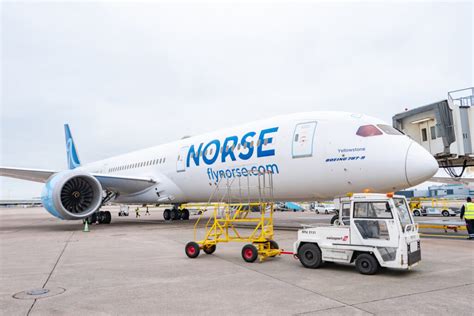
While still new to the market, Norse has been praised for its clear pricing structure and surprisingly comfortable cabins. With added amenities like inflight entertainment, Wi-Fi, and decent legroom included in the base fare for some seats, it’s drawing attention from budget-conscious international travelers and digital nomads seeking a cheaper long-haul option without total discomfort.
Understanding the Low-Cost Model: Fees, Flexibility, and Transparency
Despite the success stories, the low-cost airline model still comes with caveats that travelers must understand. The core business model hinges on à la carte pricing — meaning the cheapest fare buys a seat and little else. Everything else, from checked bags to snacks, comes with a fee.
Passengers who book low-cost airlines expecting full-service amenities without checking the fine print often leave dissatisfied. But for those who know what to expect — and can travel light — the savings can be significant. In a sense, the unbundled fare structure empowers travelers to customize their journey.
Equally important is the rise of digital tools that help compare total travel costs. Booking platforms, airline apps, and aggregators increasingly break down costs upfront, giving flyers a more transparent view of what their trip will truly cost — and allowing budget airlines to compete on more than just base price.
The Democratization of Air Travel
In 2025, the global airline industry operates in a two-tier system: full-service carriers offering bundled comfort, and low-cost airlines delivering affordability through simplification. The democratization of flight has been led not by government subsidies or massive corporations, but by innovative airlines like AirAsia, Allegiant, and Wizz Air that understand what modern travelers value — choice.
Today’s travelers are smarter, more tech-savvy, and increasingly willing to prioritize price over frills. This cultural shift makes it clear: budget airlines are not alternatives anymore — they are the mainstream. From Kuala Lumpur to Las Vegas to Budapest, the sky is more accessible than ever.