Budget-conscious air travel in 2025 continues to redefine the global aviation landscape, with Skytrax’s Top Ten Low-Cost Airlines report spotlighting carriers that blend affordability with surprising quality. These budget airlines have not only made air travel more accessible but also reshaped the expectations of millions of leisure and business travelers around the globe. In this year’s ranking, AirAsia once again claims the crown, while a few underdog players, like Scoot and Flynas, show rapid ascension, signaling a dynamic shift in the low-cost aviation ecosystem.
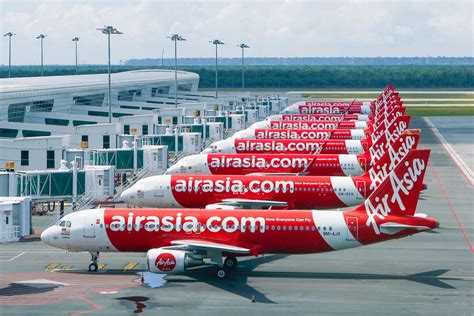
AirAsia: Sixteen Years of Dominance and Still Climbing
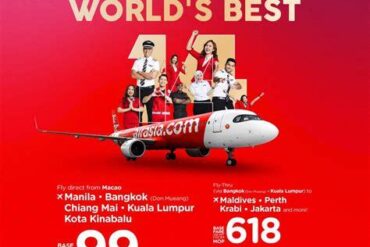
AirAsia remains the global benchmark for affordable air travel. For the 16th consecutive year, it tops Skytrax’s rankings, bolstered by a massive regional footprint and a consistent blend of value, safety, and reliability. With an extensive network of 77 destinations across 35 countries, AirAsia offers seamless routes from India to Japan, Australia, and China, making it a top choice for both leisure backpackers and regional business professionals.
What sets AirAsia apart is not just its ultra-low fares, but its refusal to compromise on basics—punctuality, cleanliness, and aircraft reliability. Its subsidiaries, such as Thai AirAsia, amplify its regional strength, especially in Southeast Asia, providing intricate connectivity at a fraction of legacy airline costs. AirAsia also successfully ventured into long-haul low-cost services, providing travelers with intercontinental opportunities without budget blowouts.
Scoot: Singapore’s Strategic Bet on Budget Long-Haul
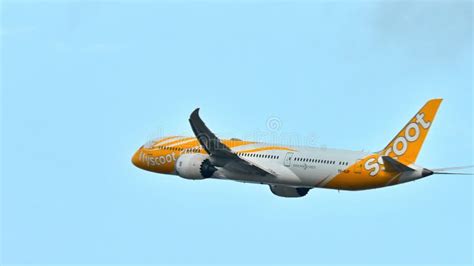
A standout performer in 2025 is Scoot, a subsidiary of Singapore Airlines, now firmly embedded as Asia-Pacific’s low-cost long-haul leader. Its base at Singapore Changi Airport, ranked among the best in the world, serves as an ideal springboard for travel to Australia, Asia, and Europe.
What makes Scoot a game-changer is its fleet of Boeing 787 Dreamliners, equipped with premium seating, enhanced comfort, and value-added services such as affordable onboard meals and upgraded cabin features. Despite operating as a low-cost carrier, Scoot maintains an above-average standard of comfort for long-haul travelers—without full-service price tags. Intra-hub efficiency at Changi further ensures smooth transitions for travelers transferring between Scoot and premium airlines.
IndiGo: India’s Regional Giant with Global Ambitions
IndiGo, India’s largest airline by market share, now flies over 2,000 daily flights, maintaining one of the industry’s most punctual and reliable schedules. Known for its no-nonsense approach to domestic air travel, IndiGo’s commitment to low fares and frequent flights has made it a household name among Indian travelers.
What’s notable in 2025 is IndiGo’s push beyond national borders. New long-haul routes to Europe, the Middle East, and Southeast Asia underscore the airline’s aspirations to become a regional heavyweight in international low-cost connectivity. Its innovative Stretch product—a premium economy-like seating option—caters to professionals seeking more comfort while still preserving budget appeal.
Eurowings: Lufthansa’s Budget Backbone Across Europe
Eurowings, under the Lufthansa Group, extends German precision and reliability into the low-cost arena. Operating flights to over 150 destinations, Eurowings bridges the gap between affordable travel and central European connectivity, covering major cities in Germany, Austria, Czech Republic, and beyond.
Business travelers favor Eurowings for its on-time reliability and simple, efficient service. The airline benefits from access to Lufthansa’s logistics and infrastructure, ensuring higher standards in areas like fleet maintenance and safety. While premium in name, Eurowings remains fiercely budget-friendly in practice, offering solid value for intra-European trips.
Transavia France: The French-Dutch Connector for Budget Travelers
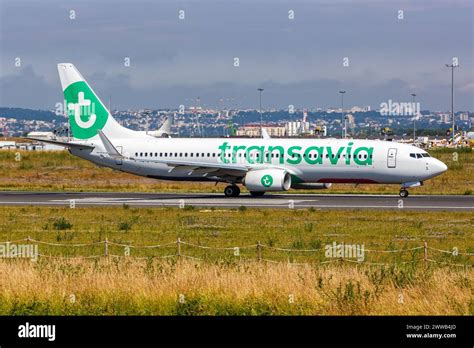
A vital component of the Air France-KLM group, Transavia France specializes in low-cost services between France and the Netherlands, primarily through Paris Orly and Amsterdam Schiphol. It’s a favorite among holidaymakers, particularly during the summer months, when demand for city-breaks in Paris or cultural visits to Amsterdam soars.
Transavia’s hybrid model allows travelers to book bundled tickets with KLM and Air France, offering seamless interconnectivity on a budget. The model appeals to price-sensitive flyers who still value streamlined itineraries and brand trust.
Europe’s Budget Powerhouses: Vueling, Volotea, and easyJet
The European low-cost landscape is incomplete without Vueling, Volotea, and easyJet—each dominating specific corridors across Southern and Western Europe.
- Vueling, based in Barcelona, thrives on high-frequency routes to major cities like Rome, Paris, and Lisbon, ideal for weekend travelers.
- Volotea, headquartered in Spain, focuses on under-served regional airports, offering rare direct connections between smaller European cities.
- easyJet, based in the UK, continues to lead in terms of scale, with robust operations across more than 30 countries, especially attractive for city-hopping travelers.
These carriers rely on a la carte pricing models—where flyers pay only for what they need. Their lean, agile operations have created a low-friction, low-cost experience perfect for short-haul journeys.
Flynas: The Middle East’s Strategic Budget Player
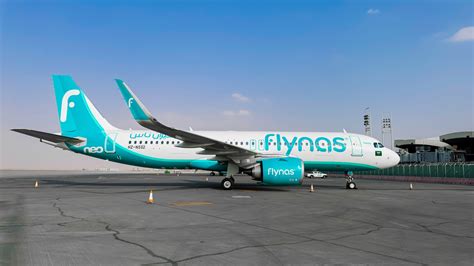
Flynas, based in Saudi Arabia, makes its mark with a focus on religious tourism and regional connectivity. Operating nearly 70 routes, Flynas is a top choice for pilgrims heading to Medina and Mecca, as well as for business travelers navigating the Middle East.
Its growing prominence in 2025 stems from smart route planning and competitive pricing within a traditionally high-cost region. Flynas caters to the demand for affordable, efficient, and frequent short-haul options in the Gulf and surrounding territories.
Why Low-Cost Airlines Are Winning in 2025
The 2025 aviation environment favors disruption over legacy. With improved aircraft technology, competitive fuel contracts, and smarter airport handling strategies, budget airlines have eroded the traditional advantage of full-service carriers.
For business travelers, low-cost airlines provide a compelling alternative: fares are low, punctuality is often better, and the savings can be redirected into lodging, meals, or ground transport. Especially in Asia and Europe, where short-haul frequency is high, these airlines offer flexibility without the financial sting.
For leisure travelers, low-cost options enable spontaneous trips, multi-city tours, and off-the-beaten-path discoveries that were previously unattainable due to price constraints. Whether it’s a quick getaway to Barcelona or an extended budget journey across Southeast Asia, the options in 2025 are plentiful and rewarding.
Maximizing the Budget Flight Experience
Flying low-cost doesn’t have to mean flying uncomfortably—provided travelers understand the rules:
- Book early: Prices rise steeply closer to departure.
- Travel light: Cabin bags are often free, but checked luggage usually incurs steep fees.
- Expect à la carte pricing: Seat selection, meals, and even printing a boarding pass can carry additional costs.
- Sign up for loyalty programs: Even low-cost carriers offer points and perks for repeat travelers.
The Surprising Contender: Flynas on the Global Stage
While AirAsia and Scoot are established giants, Flynas’s inclusion in Skytrax’s Top Ten for 2025 is a surprise to many outside the region. Its success reflects a larger trend: regional carriers in developing markets are catching up in quality, safety, and efficiency. With the Middle East’s tourism sector booming, Flynas’s strategic focus on religious travel, domestic routes, and regional growth has paid off.
Its strong performance hints at a decentralization of aviation excellence—no longer confined to Western or East Asian mega-carriers. Instead, well-run airlines from the Gulf, India, and Southeast Asia are now defining what modern, affordable travel looks like.
Final Thoughts: A Democratized Sky Awaits in 2025
The low-cost revolution in 2025 is more than just cheaper tickets—it’s a reshaping of who can travel, where they can go, and how often. With carriers like AirAsia, IndiGo, Scoot, and Flynas elevating the low-cost standard, travelers no longer have to choose between price and peace of mind. They can have both.
And while full-service airlines continue to serve an essential niche, especially for long-haul and premium fliers, the sky in 2025 belongs increasingly to the budget-savvy explorer.
From Europe’s cultural capitals to Asia’s economic powerhouses, the era of affordable flights is here—and it’s never looked more appealing.