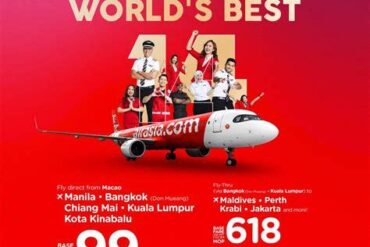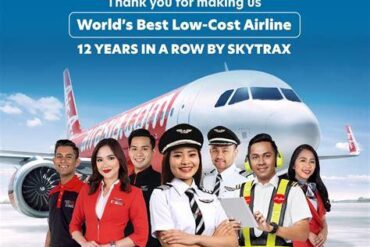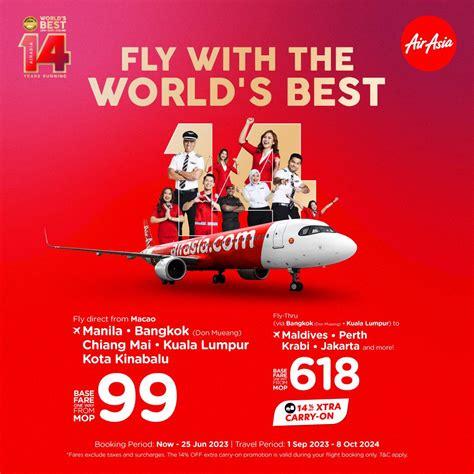
In an era where travelers demand exceptional value without sacrificing quality, AirAsia has once again risen to the top, earning the coveted title of the world’s best low-cost airline for 2025. This landmark achievement, marking the 16th consecutive year at the summit of Skytrax’s rankings, underscores a profound shift in global travel: budget carriers are no longer mere ticket vendors, but architects of affordable adventures that span continents.
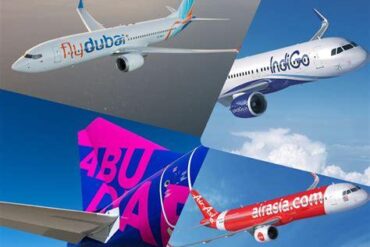
As inflation squeezes disposable incomes and wanderlust intensifies, budget airlines have emerged as the vanguards of accessibility. Gone are the days when low fares implied cramped cabins and minimal service; today’s innovative carriers blend cost-efficiency with hospitality, seamless connectivity and unexpected creature comforts. Skytrax’s 2025 Top 10 list reveals the new champions of this paradigm, with AirAsia leading the pack and setting the standard for a generation of cost-conscious explorers.
AirAsia’s dominance is no accident. With an estimated 70 million passengers projected in 2025, the Malaysian giant pairs ultra‑competitive pricing with an expansive route network linking Thailand, Singapore, the U.S., Malaysia, Germany, France, Spain, Italy and Greece. Its subsidiaries across Southeast Asia reinforce a brand identity steeped in warmth and authenticity, ensuring travelers feel at home at 30,000 feet.
Skytrax’s 2025 Top 10 Low-Cost Airlines
Skytrax’s annual ranking has evolved into a barometer of budget travel excellence. This year’s Top 10 illustrates the remarkable strides low-cost carriers have made in service, reliability, and route innovation.
- AirAsia (1st): The undisputed leader for 16 straight years, renowned for Asian hospitality, efficient operations and a network that serves major hubs and hidden gems alike. By offering sub-$50 fares on key intra-Asia routes, AirAsia has unlocked travel for millions who once viewed the skies as out of reach.
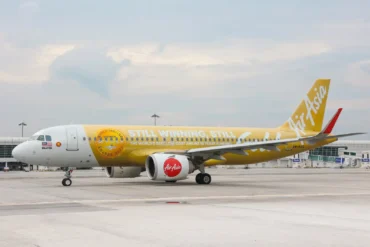
- Scoot (2nd): Singapore’s long-haul budget specialist, marrying Singapore Airlines’ service ethos with wallet-friendly prices. Scoot’s recliner seats on flights to Europe and Australia, coupled with value-for-money meals and swift check-ins at Changi, have redefined expectations for low-cost intercontinental travel.
- IndiGo (3rd): India’s homegrown powerhouse operates over 2,000 daily flights, renowned for punctuality and its innovative “Stretch” product that injects a touch of premium comfort into the budget model. Its rapid expansion into Asia and Europe signals ambitious long-haul aspirations.
- Eurowings (4th): Lufthansa Group’s budget arm excels in Central European connectivity, boasting a modern fleet and strong on-time performance. Passengers appreciate its streamlined digital tools and bundled fare options.
- Vueling (5th): Spain’s leading carrier offers flights to more than 120 destinations, often undercutting rail prices. Its integration with Barcelona Hub and flexible fare tiers make it a favorite among backpackers and business travelers alike.
- Volotea (6th): Specializing in secondary European cities, Volotea taps into underserved markets with direct links that major airlines overlook, fueling regional tourism and economic growth.
- Transavia (7th): Operating under Air France-KLM, Transavia France bridges metropolitan France with leisure hotspots in the Netherlands and the Mediterranean, aided by seasonal schedule surges and Air France codeshare benefits.
- Iberia Express (8th): Spain’s short-haul budget solution feeds seamlessly into Iberia’s global network, enabling smooth transfers from Madrid to the Balearics and beyond while maintaining the professionalism of its parent carrier.
- Flynas (9th): Saudi Arabia’s low-cost star caters to pilgrims and leisure travelers across Asia, Africa and Europe. Its growing popularity on Hajj and Umrah routes underscores its strategic importance in religious and budget travel markets.
- easyJet (10th): Europe’s original budget pioneer continues to lead with operations in over 180 cities. Its low incident rate, sustainability initiatives and a disruptive subscription model deliver confidence and convenience for frequent flyers.
AirAsia’s 2025 Growth Blueprint
AirAsia’s sustained leadership stems from an ambitious expansion strategy that extends beyond Southeast Asia. The 2025 blueprint reveals a multi-pronged approach to cementing its legacy and charting new horizons.
First, the airline has unveiled over 30 new routes, including pioneering fifth‑freedom flights such as Bangkok–Hong Kong–Okinawa and Chiang Mai–Taipei–Sapporo. These multi-leg services cater to modern travelers’ appetite for cultural mash-ups, enabling seamless journeys across Thailand, China, Japan and Taiwan without breaking the bank.
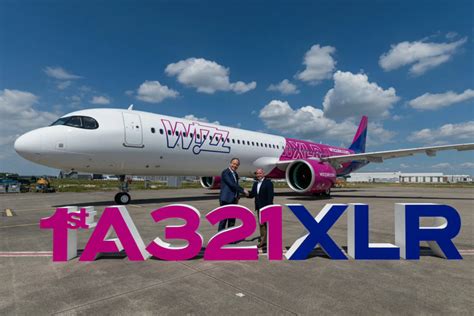
Second, AirAsia has committed to acquiring up to 70 Airbus A321XLR aircraft, a game‑changer in long‑haul budget travel. With a range of 8,700 kilometers, these ultra-long-range jets will soon link Kuala Lumpur directly to London, Paris and New York. This fleet investment signals AirAsia X’s intent to disrupt legacy carriers and democratize intercontinental flight options.
Third, recognizing the strategic value of the Gulf as a crossroads, AirAsia is exploring a new hub in Saudi Arabia. A Gulf base would unlock one‑stop itineraries that connect Asia with Europe and Africa, tapping into burgeoning tourism exchanges and reducing connection times compared to traditional two-stop routings.
Australia also features prominently in the growth plan. New Adelaide–Bali services cater to South Australians seeking tropical escapes, while the revival of the Darwin–Kuala Lumpur route—dormant for seven years—repositions Darwin as both a gateway for Asian visitors and a launchpad for Northern Territory tourism.
Finally, AirAsia continues to fortify its domestic networks, particularly in Thailand. The addition of new services from Bangkok Suvarnabhumi to Surat Thani, Narathiwat and Buri Ram not only fuels regional economies but also provides a buffer against international market volatility, a lesson learned during the pandemic downturn.
Traveler Advantages and Emerging Challenges
For passengers, AirAsia’s 2025 initiatives deliver tangible benefits. Lower fares now unlock routes previously exclusive to premium carriers, making iconic destinations—European capitals, U.S. metropolises, and Japanese ski resorts—accessible to budget-minded explorers. AirAsia’s fly‑thru model streamlines connections, eliminating immigration hassles and slashing layover times for multi-leg itineraries.
Digital enhancements also elevate the customer experience. The airline’s revamped mobile app provides real-time flight monitoring, seamless add-on management and personalized promotions tailored to frequent routes. Meanwhile, regional culinary offerings onboard—ranging from Nasi Lemak to Pad Thai—reinforce the carrier’s commitment to local flavor and cultural authenticity.
However, the path ahead is not without hurdles. Fuel price volatility poses a perennial threat to cost structure, especially for long-haul operations. The intensifying competition from both established and emerging low-cost carriers demands constant innovation in route planning and cost management. Geopolitical tensions and visa policy shifts can rapidly alter demand patterns, requiring agile network adjustments. Moreover, destinations like Bangkok and Barcelona have grappled with overtourism, prompting local authorities to consider visitor caps that could impact airline yields.
Broader Implications for the Global Travel Landscape
Skytrax’s 2025 rankings do more than crown champions; they reflect a paradigm shift where affordability, reliability and value shape traveler loyalty. As personal budgets tighten, consumers prioritize transparent pricing and consistent service over legacy brand prestige. Airlines that excel in balancing cost controls with passenger-centric innovations will command market share.
AirAsia’s 16th straight victory sends a clear message: the low-cost model is not only viable but transformative. By democratizing access to diverse cultures, economies and landscapes, budget carriers are redefining the concept of tourism itself. For billions of travelers eyeing the sunlit beaches of Thailand, the snow‑capped peaks of Hokkaido, the historic streets of Europe or the urban sprawl of New York, the journey has never been more attainable.
As 2025 unfolds, the global travel industry watches closely. The success of AirAsia and its peers signals that budget travel is the new normal, reshaping routes, redefining service standards and rewriting the rules of engagement. In this brave new world, the sky is truly the limit—so long as the ticket price remains within reach.