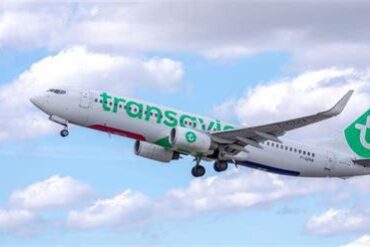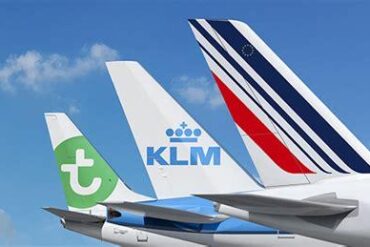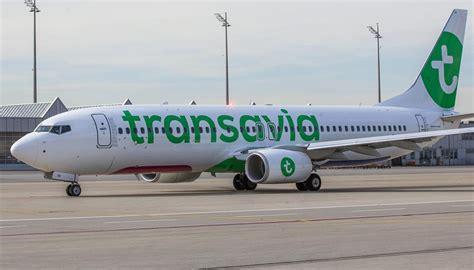
Transavia Airlines has emerged as a key pillar in the European aviation landscape, standing tall as the low-cost subsidiary of KLM and an integral part of the Air France–KLM Group. With operations dating back to the 1960s and a strategic presence across the Netherlands, Transavia’s trajectory is not just one of fleet modernization and expanding networks, but also one of resilience, market adaptation, and brand consistency across decades of airline evolution.
A Legacy Built on Flexibility and Growth
Founded in November 1966 under the name Transavia Holland, the airline’s first notable operation was a charter flight for the Dutch Ballet Orchestra, ferrying passengers from Amsterdam to Naples aboard a Douglas DC-6. The airline quickly transitioned from these piston-powered aircraft to jets, acquiring the Sud Aviation Caravelle in 1969, a significant milestone in modernizing its operations.
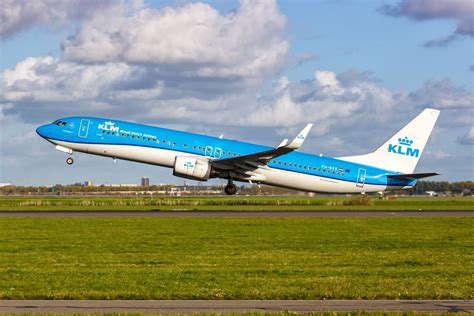
By 1976, Transavia had seized nearly 45% of the Dutch holiday air travel market, cementing its position as a premier charter and leisure airline. The pivot to Boeing 737s beginning in 1976 marked the start of a long-standing reliance on the American manufacturer, which continues to this day, albeit with a recent shift toward Airbus for future fleet plans.
The airline transitioned to the name Transavia Airlines in 1986 and launched its first scheduled routes, with London Gatwick as its maiden destination. This evolution from charter specialist to hybrid low-cost carrier reflected broader shifts in European travel demand during the late 20th century.
Ownership and Integration into Air France–KLM
Transavia’s journey toward full ownership under KLM culminated in 2003, after decades of close collaboration and partial stakes. Today, it operates as a wholly owned yet autonomously managed carrier within the Air France–KLM portfolio, with strategic ties that include codeshare agreements with major partners such as Delta Air Lines, KLM, and Air France.
This ownership structure allows Transavia to enjoy the synergies of the group—access to shared loyalty programs such as Flying Blue, integrated flight scheduling, and multi-brand alignment—while maintaining a nimble and cost-effective operational profile suited to short and medium-haul markets.
Business Model and Operational Philosophy
Transavia operates under a single-class, low-cost model, prioritizing efficiency, high aircraft utilization, and minimized turnaround times.
Key features of its business approach include:
- Buy-on-board model for food, beverages, and comfort products
- Optional baggage fees, introduced in 2011
- Increased hand-luggage allowance to align with evolving passenger expectations
This model has proven effective, allowing Transavia to serve a broad demographic—from holiday travelers to budget-conscious business passengers—while maintaining high load factors averaging around 89%.
Fleet Development and Transition to Airbus
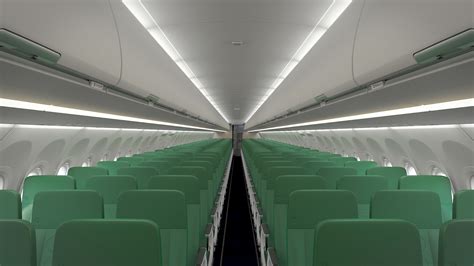
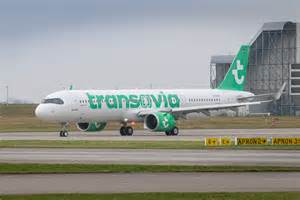
As of April 2025, the airline’s fleet comprises:
- 40 Boeing 737-800s
- 9 Airbus A321neo aircraft, the latest addition in December 2023
Transavia is in the midst of a transformative fleet modernization program, shifting toward the Airbus A320neo family as part of a joint order under Air France–KLM for up to 100 aircraft, including 60 options. This reflects a strategic move to reduce fuel costs, improve environmental performance, and streamline maintenance across the group.
Historically, Transavia’s fleet diversity included:
- Douglas DC-6
- Sud Caravelle
- Boeing 707, 737 variants, and 757
- Airbus A300 and A310
- Airbus A320-200
This variety reflects Transavia’s adaptability to shifting market needs and the aviation industry’s technological advances.
Expansion and International Ventures
While Transavia’s primary hub remains Amsterdam Schiphol Airport, the airline has developed strong secondary bases at Eindhoven and Rotterdam The Hague Airport, enabling it to tap into regional markets with high travel demand.
Its international footprint expanded with:
- The creation of Transavia France, which continues operating today with 4.49% ownership retained by the Dutch entity
- A brief Danish venture (2008–2011), reflecting experimentation with market penetration strategies
- A Brussels base, launched in December 2021, catering to Belgian travelers seeking affordable short-haul travel
In total, Transavia serves 96 destinations across Europe and the Mediterranean basin, including hotspots in Spain, Portugal, Italy, Morocco, and Greece.
Financial Performance and Passenger Growth
Transavia’s financial growth over the past decade has mirrored broader recovery trends in aviation post-pandemic. Revenue grew from €889 million in 2012 to an estimated €3.072 billion by 2024. Passenger volumes expanded dramatically from 7.6 million in 2012 to 21.4 million in 2023, supported by increasing demand for budget air travel and successful route diversification.
Despite a staggering €299 million loss in 2020 due to COVID-19 disruptions, the airline rebounded swiftly. Fleet rationalization, strategic route planning, and pent-up travel demand all contributed to this rebound. Its partnership in the Air France–KLM mega order for the A320neo family underlined long-term confidence in sustained growth.
Safety and Operational Integrity
Transavia maintains a strong safety record with only two notable non-fatal incidents in its operational history, both occurring in 1997:
- Flight 484, which sustained significant damage during a hard landing
- Flight 462, which also experienced aircraft damage, but without injuries
These incidents underscore the airline’s robust safety culture and engineering standards, with no fatalities reported across its decades-long history.
Technological Infrastructure and Corporate Affairs
The headquarters of Transavia resides in the TransPort Building at Schiphol East, occupied since May 2010. The facility underscores the airline’s commitment to technological modernization and sustainable practices. Operating as an independent unit within the Air France–KLM conglomerate, Transavia has the autonomy to make fleet, branding, and route decisions swiftly, a critical asset in the volatile low-cost sector.

Digitalization remains central to its operational philosophy, with a focus on streamlined booking processes, mobile app functionality, and integration with Flying Blue loyalty features. The airline’s UX strategy aims to reduce friction across every stage of the travel experience—from booking and check-in to boarding and customer support.
Future Outlook and Strategic Roadmap
Transavia’s future appears solidly aligned with broader European aviation trends: consolidation under major airline groups, transition to eco-efficient fleets, and digital integration. The push toward sustainable aviation fuels (SAFs), carbon offset programs, and low-emission aircraft remains top of mind, especially as regulatory and public pressures mount.
By 2030, Transavia is expected to complete its transition to the Airbus A320neo family, potentially retiring the Boeing 737-800s entirely. This shift will likely enable the airline to:
- Cut per-seat fuel burn significantly
- Reduce maintenance complexity
- Harmonize pilot training programs across its Airbus-focused group structure
Moreover, enhanced cooperation with Transavia France, as well as its Belgian and Dutch hubs, positions the airline to capitalize on intra-European leisure demand.
Conclusion: A Resilient and Dynamic Low-Cost Leader
Transavia’s evolution from a charter operator with three DC-6s to a fleet-modernizing, multi-national low-cost brand is a testament to the power of strategic adaptation and smart integration within a larger airline group. While it continues to operate under the radar compared to more prominent budget giants, its track record of consistent growth, safety, and operational independence positions it as a crucial mid-sized player in European aviation.
In an era increasingly defined by consolidation and sustainability, Transavia stands out not for flashy marketing, but for a business model built on discipline, reliability, and smart expansion.