Understanding Transavia: A European Low-Cost Carrier with KLM Ties
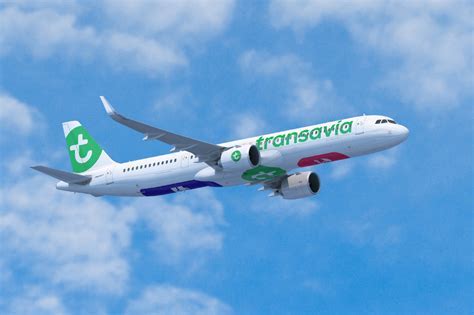
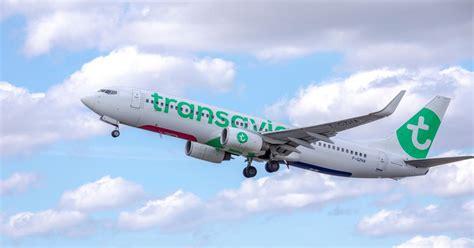
Transavia, a subsidiary of the Air France-KLM Group, has positioned itself as a leading low-cost airline operating across Europe and North Africa. With its headquarters situated in Schiphol, the Netherlands, the airline boasts over 50 years of operational experience, carrying around 11 million passengers annually. The company operates from multiple hubs, including Amsterdam, Rotterdam/The Hague, Eindhoven, and in France from Paris, Nantes, and Lyon, along with Munich in Germany.
While Transavia’s affiliation with KLM provides it with the credibility of a legacy airline partnership, its budget model makes it a go-to for cost-conscious travelers seeking basic air travel without frills.
Service Model and Pricing Philosophy
Transavia’s pricing structure reflects a no-frills, pay-as-you-go philosophy. Passengers are charged a base fare that covers the flight itself, while all additional services—ranging from checked baggage to onboard snacks—are available at an extra cost. This allows flexibility for leisure and business travelers to tailor their experience based on preference or budget.
However, this model also introduces risks. Customers unprepared for additional charges may experience frustration when confronted with unexpected fees. Services like seat selection, carry-on luggage overages, and priority boarding are monetized—leading some passengers to perceive the airline as less transparent compared to full-service carriers.
In-Flight Experience: Comfort and Expectations
According to over 111,000 user reviews on Tripadvisor, Transavia scores an average of 3.5 out of 5 stars, which suggests a mixed reputation. Feedback commonly highlights the following elements:
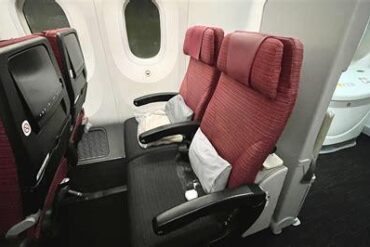
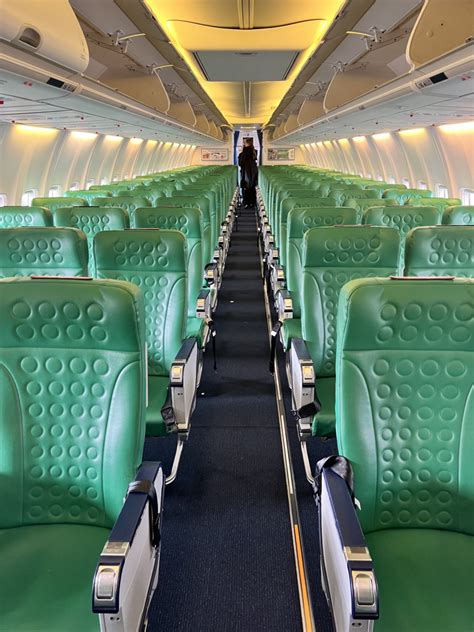
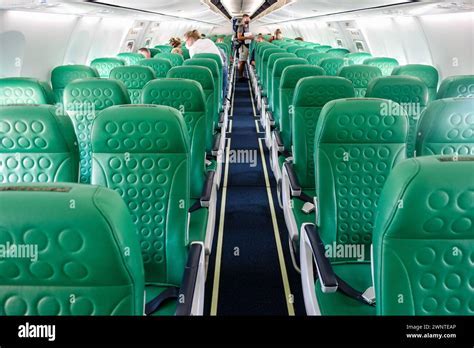
- Legroom and seat comfort are frequently criticized as cramped, especially for flights exceeding two hours.
- In-flight entertainment is nonexistent—there are no onboard screens or complimentary Wi-Fi.
- Cabin cleanliness receives variable reviews. While some passengers find the aircraft clean and fresh, others report filthy floors and poorly maintained restrooms.
- Food and beverage service is strictly paid, with snacks and drinks offered at relatively high prices for a low-cost airline.
Customer Service: The Root of Many Complaints
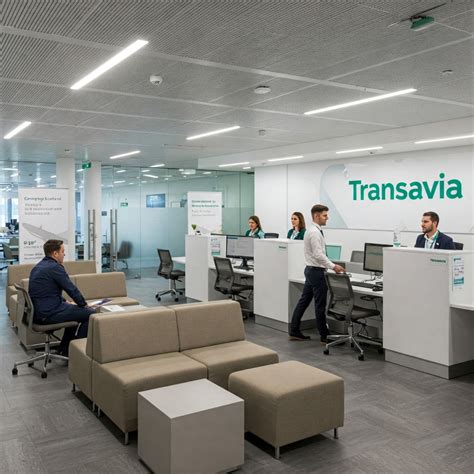
One of the most consistent threads across customer reviews is the criticism of Transavia’s customer service. Reports of dismissive behavior, poor communication during delays or cancellations, and minimal support for disrupted passengers are abundant. For instance, one traveler recounted being removed from an aircraft due to a last-minute equipment swap, while ground personnel refused assistance.
Another reviewer described a last-minute cancellation with only a minimal €80 hotel voucher offered, despite the passengers paying over €660 for two tickets in total. In this case, customer service representatives offered no meaningful help, and the resolution process was opaque, with no immediate confirmation of a refund or rebooking.
Operational Reliability: Chronic Delays and Sudden Changes
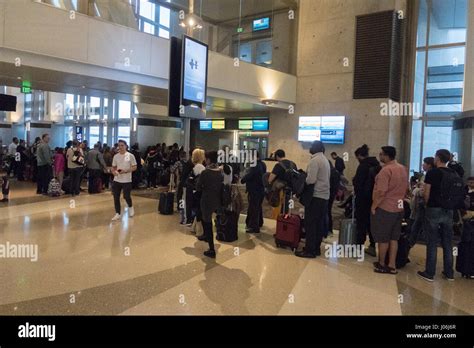
The most damning indictments of Transavia stem from flight delays and operational disruptions. A substantial portion of passengers on routes like Ibiza to Amsterdam, Naples to Amsterdam, and Paris to Berlin report delays averaging 2–3 hours, along with abrupt gate changes and poor gate communication.
Even more concerning are reports of transfers to Transavia from KLM without consent or notice, which leaves travelers—expecting KLM’s higher standards—shocked by the spartan Transavia experience. Such changes often occur after booking, especially on code-share flights, and have led to dissatisfaction among loyal KLM customers.
The Discrepancy Between Reputation and Reality
Despite its affiliation with KLM and its long-standing presence in the European market, Transavia struggles to maintain a positive brand image. The airline’s popularity is largely driven by price, not quality. As such, passengers with realistic expectations—those who prioritize cost over comfort—tend to leave positive or neutral reviews, while others, especially those who experience disruption, are often left disillusioned.
The Tripadvisor rating breakdown confirms this disparity:
- Excellent: 31,009
- Good: 37,617
- Average: 17,259
- Poor: 9,784
- Terrible: 15,876
This distribution shows a significant volume of negative experiences, especially when compared to similarly positioned airlines like Ryanair or EasyJet, both of which have worked to improve customer engagement in recent years.
Top Routes and Market Position
Transavia’s network covers over 110 destinations, focusing heavily on popular leisure routes to Southern Europe, including Greece, Portugal, and Spain, as well as North African destinations like Morocco and Tunisia. From a connectivity perspective, this provides excellent options for holidaymakers seeking direct, budget-friendly access to beach destinations.
Top routes include:
- Amsterdam to Porto
- Paris Orly to Marrakech
- Rotterdam to Ibiza
However, the lack of long-haul flights, code-share transparency, and limited frequency on some routes detract from the airline’s versatility.
Check-In and Boarding Process: A Stress Point
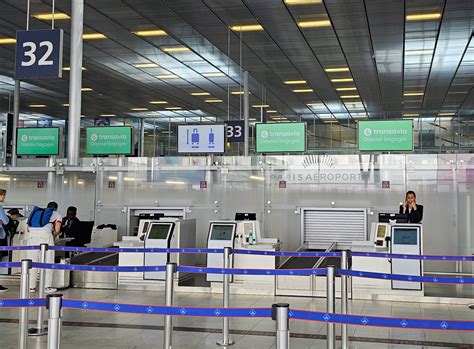
The check-in and boarding experience is consistently mentioned as a weak point in user reviews. Online check-in can be problematic, especially for those transferred from partner airlines, and airport check-in counters are often understaffed.
Several reviews note long queues at check-in desks, disorganized boarding procedures, and lack of prioritization for pregnant travelers or those with mobility issues. Moreover, travelers mention that gate announcements are rare or last-minute, causing unnecessary confusion.
Cleanliness and Aircraft Condition
While many passengers report decent cleanliness, the inconsistency across aircrafts is notable. Flights out of Naples and Ibiza, for example, have received complaints of dirty cabin floors, overflowing trash bins, and unpleasant odors. In contrast, some Amsterdam-origin flights appear to maintain higher standards.
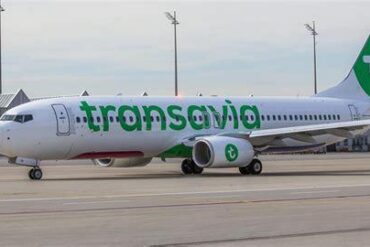
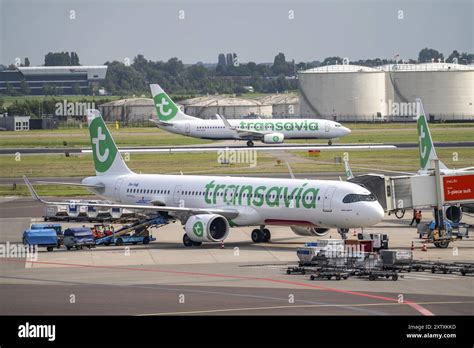
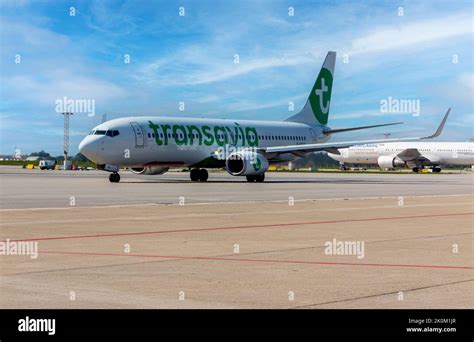
It’s also worth mentioning that Transavia operates a Boeing 737-only fleet, which simplifies maintenance and training but limits passenger comfort customization.
Is Transavia Worth It? Our Final Analysis
Transavia offers a budget-centric flight solution across Europe and Northern Africa. For passengers who understand the limitations of the low-cost model and travel with minimal expectations, the airline fulfills its promise: basic air transport at a reduced fare. However, the moment a disruption occurs—be it a cancellation, delay, or last-minute operational change—the experience can quickly deteriorate.
Transavia is not recommended for travelers seeking a seamless, high-service journey, especially when booked under the assumption of receiving a full-service KLM standard. Those with limited mobility, tight travel schedules, or reliance on assistance should proceed cautiously.
For frequent flyers in Europe who are used to low-cost carriers, Transavia is comparable to competitors in pricing, but falls short in service recovery and customer communication.
Thus, while it may work well for a cheap summer getaway, we would advise careful booking and contingency planning—especially when trip reliability is crucial.