Ctrip, now globally recognized through its international domain Trip.com, is one of the largest online travel agencies (OTAs) in the world. With roots in China and a valuation that exceeds $40 billion in bookings, it plays a central role in travel arrangements across Asia and beyond. But as Ctrip expands its footprint internationally, a crucial question arises: Is Ctrip reliable for booking international flights?
We investigate this by drawing on customer experiences, industry reputation, service inconsistencies, and the broader implications for international travelers.
Understanding Ctrip’s Market Position
Ctrip dominates the Chinese OTA landscape. In China, Ctrip is practically a monopoly — travelers have little choice but to use it when booking domestic flights. This market dominance has allowed Ctrip to build a massive infrastructure, including partnerships with hundreds of airlines and hotels globally.
However, the transition from domestic dominance to global reliability isn’t seamless. While some international users have experienced smooth transactions, others have faced frustrating obstacles that raise concerns about Ctrip’s operational consistency outside its home market.

Positive Experiences: When Ctrip Works Well
Some travelers report seamless international flight bookings through Ctrip. Long-time customers especially, those familiar with the interface and common quirks of Chinese OTAs, highlight consistent ticket confirmations, competitive prices, and reliable partnerships with major airlines like Austrian Airlines, Emirates, and Singapore Airlines.
A business traveler from San Francisco, for instance, shared an experience of booking multiple international roundtrips in and out of Bangkok, all executed without incident. Over several years, they reported a “100% reliable record” when using Ctrip for both domestic and international flights. These positive accounts emphasize that when everything goes according to plan, Ctrip can be a cost-effective and dependable choice.
Pricing Advantage: The Real Allure
What draws most users to Ctrip is simple: lower fares. Booking directly with an airline might offer better service, but Ctrip frequently undercuts direct pricing by €200–€300 per ticket. For budget-conscious travelers, this price gap is hard to ignore — particularly on long-haul or multi-leg international flights.
The trade-off, however, is the level of risk a traveler is willing to accept for the sake of saving.
When Things Go Wrong: A Breakdown in Support and Systems
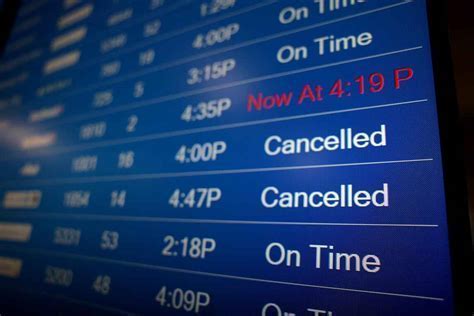
Negative experiences on Ctrip often center around customer service, communication issues, and post-booking complications. For example, one user booked a round-trip flight from Hong Kong to Charlotte, North Carolina, only to have both their return flights canceled. Despite purchasing trip insurance through Ctrip, no refund was issued, and customer service failed to resolve the issue.
Another incident involved a user whose flight gender detail was incorrect. The simple fix — changing the gender on the ticket — became a massive ordeal. Instead of resolving the issue, Ctrip’s representatives suggested rebooking the entire itinerary, a solution that incurred unnecessary additional costs.
Furthermore, many users complain about language barriers. Even though Ctrip has an English-language interface, critical communications such as e-tickets, changes, and support messages often arrive in Chinese only, making them difficult to interpret for international travelers.
Trip.com vs. Ctrip: A Strategic Rebranding
To address growing international demand, Ctrip launched Trip.com, a global-facing platform. In theory, Trip.com is supposed to offer the same functionality as Ctrip with better multilingual support, enhanced customer service, and localized payment options. However, based on user reviews, many of the operational issues persist.
For instance, Trip.com may direct you to Ctrip’s internal systems when complications arise, thereby blurring the lines between the two platforms. A customer attempting to resolve an issue on Trip.com may find themselves in a loop — bounced between departments, languages, and conflicting protocols.

The Middleman Dilemma: OTA vs. Direct Booking
Booking through a third-party OTA like Ctrip has inherent risks. Unlike booking directly with an airline, any changes, cancellations, or delays must be processed through the OTA’s customer service. This means the airline often cannot help you directly — they require Ctrip to initiate changes on your behalf.
During major travel disruptions — such as COVID-19 cancellations, airline strikes, or political instability — this layer of communication adds hours, sometimes days, to the resolution process. In some cases, the delay can result in missed flights or lost refunds.
This risk becomes more critical for complex itineraries, such as multi-city flights, journeys with layovers, or bookings across multiple airline alliances. Ctrip’s backend system often lacks dynamic rebooking flexibility, a feature that major airlines offer when flights are disrupted.
Customer Service: Inconsistent and Frustrating
Many users report calling Ctrip’s service lines for hours without resolution. Emails go unanswered. Representatives, while polite, often struggle with English proficiency and lack the authority to make exceptions or escalate issues efficiently. Several reports describe being transferred across multiple departments only to receive contradictory answers.
One traveler who faced a flight rescheduling issue was given incorrect advice multiple times — including being told to show up at the airport and speak to ground staff directly. Eventually, it turned out Ctrip had canceled both their flights instead of rescheduling.

Refunds, Cancellations, and Travel Insurance
The biggest red flag is in refund policy enforcement and insurance processing. Even if your flight is canceled and the airline agrees to a refund, Ctrip may not process it unless they receive formal approval — a process that can take weeks or longer. Some travelers never receive a refund, even when trip insurance is in place.
The insurance offered through Ctrip is typically underwritten by regional Chinese providers, which means non-Asian customers often cannot make claims or contact support. There is often no English-language support line or claim filing portal for these insurance products.
Who Should Consider Using Ctrip for International Flights?
Given the spectrum of experiences, Ctrip is best suited for:
- Frequent travelers to China or Asia who are already familiar with the ecosystem.
- Bilingual travelers who can navigate both English and Chinese platforms.
- Tech-savvy users who are comfortable cross-checking airline PNRs, confirming flights with carriers, and managing travel contingencies independently.
However, Ctrip may not be ideal for travelers who:
- Require flexible change or cancellation policies.
- Prioritize quick and responsive customer support.
- Are booking complex itineraries with multiple carriers or layovers.
- Expect seamless insurance coverage and refund protections.

Ctrip vs. Competitors: How Does It Stack Up?
Compared to other OTAs like Expedia, Kayak, or Google Flights, Ctrip stands out in terms of price but lags behind in post-booking support. While its prices are hard to beat, that advantage can quickly turn into a nightmare if flight schedules change, errors occur, or documents are improperly delivered.
Competitors typically have more robust support infrastructure in Europe and North America, and their insurance offerings often include internationally recognized providers.
Final Thoughts: Weighing Savings Against Stress
Ctrip is a high-risk, high-reward platform for international flight booking. If the transaction is straightforward, the savings are real and tangible. However, the moment you require help — whether it’s a name correction, rebooking, refund, or support in crisis — Ctrip’s weaknesses are glaring.
We recommend that travelers weigh their priorities carefully. If saving €300 is worth the potential stress of hours on international calls and unreliable refunds, Ctrip may be worth a try. But for travelers who value peace of mind, responsive support, and direct control over their itinerary, booking directly with the airline remains the best choice.
FAQs About Booking International Flights with Ctrip
Q1: Is Ctrip the same as Trip.com?
Yes, Trip.com is the global brand owned by Ctrip Group. It targets international users with an English-language platform and localized services.
Q2: Does Ctrip offer refunds for canceled flights?
Refunds are possible, but heavily dependent on the airline’s policy and Ctrip’s internal approval process. Delays and denials are common.
Q3: Is the insurance provided by Ctrip reliable?
Ctrip’s insurance is often region-specific, with limited support for international claims. Non-Asian customers may face serious difficulties filing claims.
Q4: Can I make changes to my flight through the airline if I booked via Ctrip?
Not usually. Airlines will require the OTA — in this case, Ctrip — to initiate any changes or refunds.
Q5: Should I trust Ctrip for important or time-sensitive international travel?
Only if you are fully aware of the risks involved and are prepared to handle issues independently. For high-stakes travel, direct booking is safer.