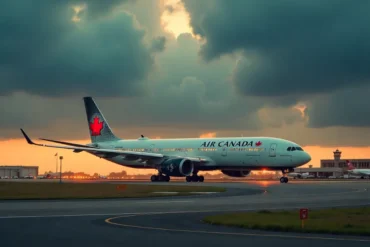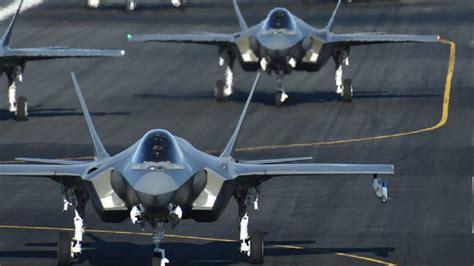
Canada’s planned acquisition of the F-35A Lightning II fighter jet was originally viewed as a straightforward modernization effort designed to replace the aging CF-18 fleet and strengthen the country’s commitments to NORAD and NATO. However, rising political tensions between Ottawa and Washington have transformed what was once a defense procurement decision into a much broader discussion about national sovereignty, industrial independence, and strategic autonomy.
The debate reflects a growing concern inside Canada that buying the world’s most advanced fighter aircraft also means accepting decades of dependence on the United States for maintenance, software upgrades, spare parts, weapons integration, and operational support. For many Canadian policymakers, the question is no longer only whether the F-35 offers unmatched combat capability, but whether relying almost entirely on American technology creates strategic vulnerabilities.
Modern fighter jet purchases have always carried political consequences. These aircraft are not simply military hardware; they represent long-term relationships between governments, defense industries, and armed forces. A fighter jet program can last 40 years or more, creating a partnership that extends far beyond the initial purchase contract.
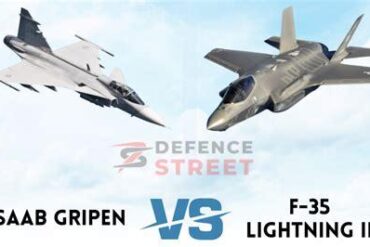
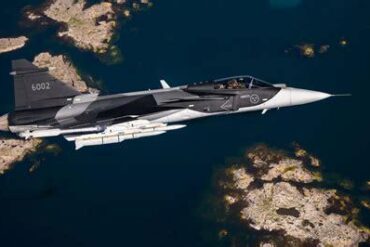
Canada’s F-35 decision has therefore become part of a larger conversation about how much independence a middle-sized country should maintain when its closest military partner is also its dominant defense supplier. The possibility of adding Saab JAS 39 Gripen E fighters alongside the F-35 has introduced a new dimension to the discussion, with supporters arguing that a mixed fleet could provide Canada with greater flexibility.
Why the F-35 Creates a Sovereignty Challenge for Canada
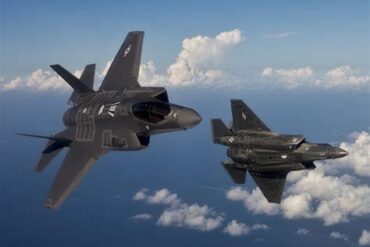
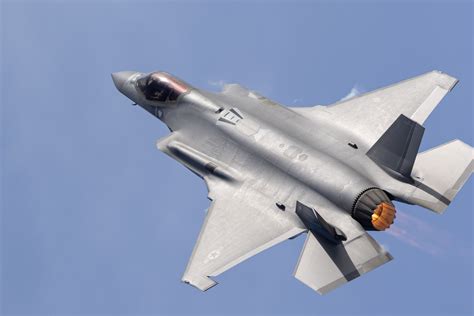
The Lockheed Martin F-35 Lightning II is widely regarded as one of the most capable fighter aircraft ever developed. Its stealth design, advanced sensors, networked warfare capabilities, and ability to share battlefield information make it a cornerstone of modern air power for many allied nations.
However, the same features that make the F-35 powerful also create deep dependence on the United States. The aircraft is built around a highly integrated ecosystem controlled largely by American defense institutions and companies. Operators require continued access to American-approved software updates, logistics networks, technical support, and weapons compatibility programs.
Unlike some older fighter aircraft that allowed customers significant freedom to modify systems, the F-35 operates under strict controls. Countries purchasing the aircraft gain access to a highly advanced capability, but they do not receive complete ownership of the technology behind it.
This issue has become particularly important because fighter jets are not short-term purchases. A country buying an F-35 today is effectively committing itself to a relationship with Washington for several decades. The aircraft will require upgrades, new software releases, replacement components, and continued cooperation throughout its service life.
For many nations, this close relationship with the United States is considered a major advantage. Countries such as the United Kingdom, Japan, Australia, and several European NATO members view the F-35 program as a way to strengthen military cooperation with Washington.
Canada has historically shared this perspective. As a neighbor and long-standing ally of the United States, Ottawa has benefited from deep defense cooperation, particularly through NORAD, the joint aerospace defense command responsible for protecting North American airspace.
However, recent political tensions have caused some Canadians to reconsider whether complete reliance on American defense technology creates unnecessary risks.
The Impact of US-Canada Trade Tensions on Defense Cooperation
The relationship between Canada and the United States has traditionally been considered one of the closest alliances in the world. Economic ties, military cooperation, and cultural connections have created a partnership that has lasted for generations.
Yet trade disputes and political disagreements during the first Trump administration changed perceptions in Ottawa. The difficult renegotiation of the North American Free Trade Agreement, combined with public criticism directed toward Canada, created concerns that even a historically close relationship could become unpredictable.
The return of Donald Trump to the White House intensified those concerns. Statements questioning Canadian sovereignty and suggestions of using economic pressure against Canada were interpreted by some Canadians as evidence that relying too heavily on Washington could become problematic.
Although Canada and the United States remain NATO allies and continue to cooperate closely on continental defense, the political environment has changed. The F-35 debate is therefore less about abandoning the United States and more about creating strategic insurance.
For defense planners, diversification can reduce vulnerability. A country does not necessarily need to replace one supplier entirely; instead, it can seek alternative capabilities that provide additional options if political circumstances change.
The Saab Gripen E Offers Canada a Different Path
The potential purchase of the Saab JAS 39 Gripen E represents the alternative approach being considered by some Canadian officials and defense analysts. Unlike the F-35, the Gripen was designed by Sweden with a stronger emphasis on national control, industrial cooperation, and export flexibility.
Sweden has historically marketed the Gripen as a fighter aircraft that provides customers with greater independence. Saab has offered extensive technology transfer agreements, local production opportunities, and industrial partnerships to countries purchasing the aircraft.
For Canada, this approach is particularly attractive because it could create domestic economic benefits. A Gripen agreement could potentially involve Canadian companies participating in manufacturing, maintenance, and future development activities.
This possibility carries symbolic importance as well. Canada has a long history of aviation ambition, most famously represented by the canceled Avro Arrow CF-105 interceptor program of the 1950s. Although the Avro Arrow never entered operational service, it remains one of Canada’s strongest symbols of technological independence and national pride.
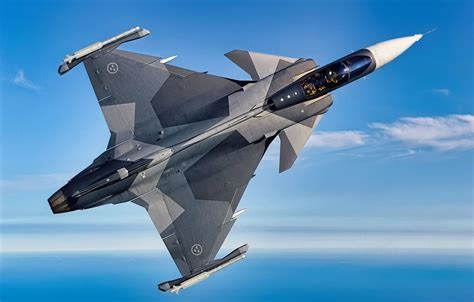
Supporters of the Gripen option argue that a Canadian-supported fighter program could revive domestic aerospace capabilities and reduce dependence on foreign suppliers. The aircraft could become more than a military purchase; it could become a national industrial project.
However, the Gripen also has limitations. The F-35 possesses far greater international adoption, a larger support network, and more advanced stealth capabilities. For Canada’s role in NORAD, where integration with American systems is essential, replacing the F-35 entirely would create significant challenges.
This is why a mixed approach has gained attention. Canada could operate the F-35 for high-end missions while maintaining a second fighter fleet that provides additional sovereignty and industrial advantages.
Why Fighter Jet Purchases Depend on Trust
The most important factor behind any fighter purchase is not simply performance. It is trust.
A fighter aircraft creates a long-term relationship between nations. Governments must believe that their suppliers will provide reliable support, fair access to upgrades, and political stability throughout the aircraft’s lifetime.
History has shown that defense relationships can change. Countries that once purchased American aircraft have experienced restrictions when diplomatic relations deteriorated. These examples have encouraged some nations to seek alternatives that provide more independent control.
France’s Dassault Rafale has benefited from this perception, with several countries selecting the aircraft partly because Paris is often viewed as placing fewer political conditions on military exports. Sweden has pursued a similar strategy with the Gripen by emphasizing flexibility and industrial cooperation.
Canada, however, faces unique circumstances. Its geographic location and NORAD responsibilities make close cooperation with the United States unavoidable. A completely independent fighter ecosystem would be extremely difficult and expensive to create.
The debate is therefore not about choosing between independence and alliance. Instead, it is about finding the right balance between technological capability, political reliability, and national control.
Canada’s F-35 Purchase Is Becoming an Insurance Policy
Canada has already committed to purchasing the F-35A and is expected to continue receiving aircraft as part of its modernization plan. The country’s requirement for advanced fighters remains clear, particularly as Russia’s military modernization and growing global security challenges reshape defense planning.
However, discussions about adding Saab Gripen fighters suggest that Canada may be looking beyond simple replacement of its CF-18 fleet. The goal could be creating a more balanced defense structure that combines American technological advantages with greater domestic control.
The purchase of additional surveillance aircraft, including the Saab GlobalEye airborne early warning system, has strengthened speculation that Canada is exploring deeper cooperation with Sweden’s defense industry.
Such a strategy would allow Canada to maintain its commitment to NORAD while developing an alternative source of fighter capability. It would also provide Ottawa with greater negotiating power in future defense discussions.
Ultimately, the F-35 debate reveals a fundamental challenge facing many allied nations. Modern warfare increasingly requires cooperation between countries, but governments also want to preserve sovereignty over critical military capabilities.
Canada’s relationship with the United States remains one of the strongest defense partnerships in the world. The F-35 purchase is not a rejection of that relationship. Instead, the growing sovereignty debate shows that Canada wants reassurance that its security decisions will remain flexible regardless of future political changes.
The future of Canada’s fighter fleet may therefore represent a compromise: combining the unmatched capabilities of the F-35 Lightning II with the industrial independence and strategic flexibility offered by aircraft such as the Gripen E.
In an era when defense technology and international politics are becoming increasingly connected, Canada’s fighter decision is no longer just about choosing an aircraft. It is about deciding how a nation balances alliance, independence, and sovereignty in the decades ahead.