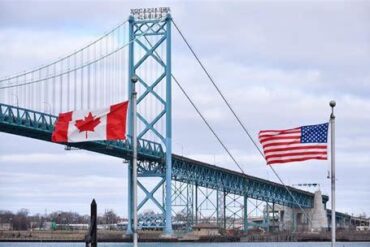
The summer tourism season has traditionally been a vibrant time for U.S. businesses, particularly in the northeastern states. However, a significant decline in Canadian tourists is casting a shadow over this year’s travel landscape. Prompted by political tensions and economic factors, many Canadians have opted to boycott travel to the United States, favoring domestic destinations instead. This trend is especially pronounced in New England, where states like Maine, Vermont, and Massachusetts have historically thrived on Canadian tourism.
The ongoing political climate, characterized by contentious rhetoric and tariffs imposed by the Trump administration, has led to a drastic drop in Canadian bookings. Reports indicate that Massachusetts expects a 20% decrease in tourism from Canada, while Vermont has experienced an astonishing 45% drop in hotel reservations made by Canadian travelers. In New York City, the decline mirrors this trend, with a 45% fall in Canadian visitors, contributing to a broader pattern of reduced international travel to the U.S.
This downturn is particularly evident in Maine, often dubbed “Vacationland” for its stunning coastline and natural beauty. Popular destinations like York Beach, which has long attracted visitors from Quebec and New Brunswick, are witnessing a stark reduction in Canadian tourists. David Rowland, co-owner of York Beach Beer Company, expressed concern over the noticeable absence of Canadian license plates in the area, stating, “It’s usually lined with Quebecois or New Brunswick tourists, and they’re not here. Some are, but not like normal.”
The statistics from February to May reveal a staggering 27% decrease in land crossings into Maine, underscoring the boycott’s deep impact. Despite these challenges, Rowland remains optimistic, noting, “We still have great beer and we’re still nice people. And we have great waves and great mountains. Don’t be afraid of us. We’re not afraid of you. We’re sorry.”
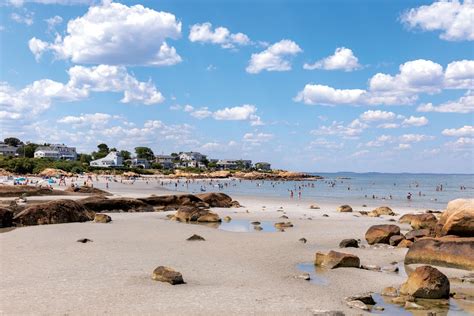
The consequences of this decline extend beyond just tourism numbers; small businesses and family-run operations are feeling the financial strain. Michael Rioux, manager of the Sandpiper Beachfront Motel, reported an uptick in cancellations from their regular Canadian clientele. One long-time guest canceled seven rooms in July, influenced by the prevailing political climate. Rioux noted, “We’re seeing more Canadian cancellations, and the political situation is definitely affecting tourism,” and pointed to unfavorable exchange rates as another deterrent for Canadian travelers.
As Canadians increasingly choose to vacation within their own borders, local businesses in areas like Old Orchard Beach are grappling with reduced income. This situation poses a significant threat to the survival of small, family-owned motels that rely heavily on repeat business from Canadian tourists.
In light of these challenges, some businesses are finding innovative ways to adapt. Suzanne Ellis, owner of Johnny Shucks Maine Lobster, initially worried about the dip in Canadian visitors but recently noticed a surge in customers from Canada as summer events and activities picked up. “I’m very happy to have them here,” Ellis said, highlighting that 60% of her clientele typically consists of Canadians. This shift indicates a potential for recovery, albeit slowly, as businesses seek to reconnect with their Canadian counterparts.
The political backdrop of the Canadian boycott cannot be overlooked. The frustrations stem largely from tariffs and the inflammatory statements made by the Trump administration, which many Canadians perceive as an affront to their national pride. Maine Governor Janet Mills echoed this sentiment, sharing her conversations with local bed-and-breakfast owners who lament the emotional toll these political dynamics have taken on their Canadian guests. “It’s not the tariffs, but the hurt pride and Canadian citizenry,” Mills remarked, encapsulating the feelings of many.
As political tensions simmer, Canadian leaders such as Ontario Premier Doug Ford and New Brunswick Premier Susan Holt are actively encouraging citizens to explore local destinations and avoid traveling to the U.S. for the time being. This sentiment reflects a growing desire among Canadians to support their own economy while distancing themselves from a complicated cross-border relationship.
Recognizing the significance of Canadian visitors, Maine has initiated several strategies to re-engage this vital market. The state has installed welcoming signs at border crossings and visitor centers, reiterating to Canadians that they are always welcome. Governor Mills is planning a visit to Nova Scotia and New Brunswick, aiming to foster connections and encourage tourism between the regions.
Recent polling data sheds light on changing travel intentions among Canadians. A Leger poll conducted in May revealed a sharp decline in interest among Canadians to travel to the U.S. this summer, with only 10% indicating plans to visit, down from 23% in 2023. Factors contributing to this shift include tariffs, safety concerns, poor exchange rates, and the overarching uncertainty surrounding the political landscape.
The ramifications of this decline in Canadian tourism will likely resonate well beyond the immediate term, with long-lasting effects on the tourism sectors in New England and other U.S. regions reliant on Canadian travelers. As tariffs and political tensions continue to shape the cross-border travel experience, U.S. businesses are left to navigate an increasingly complex landscape, striving to mend relations and regain the trust of their Canadian neighbors. The strain on tourism serves as a visible manifestation of the current political climate, highlighting the delicate balance between diplomacy and economic interdependence.
As the summer unfolds, it remains to be seen whether U.S. tourism can rebound, but the path forward will undoubtedly require concerted efforts to address the underlying issues driving the Canadian boycott. Only time will tell if the bonds that have historically united these two nations can be restored, allowing for a return to the flourishing tourism that both sides have enjoyed in the past.