Vermont has recently joined a growing list of states, including Maine, Washington, New York, Alaska, Florida, California, Nevada, and Texas, that are experiencing the profound economic impacts of a Canadian travel boycott. This boycott, which originated as a political protest against Trump-era tariffs and rhetoric, has evolved into a significant movement among Canadian travelers, particularly those from Quebec, who are consciously choosing to avoid U.S. destinations during what is typically the peak summer travel season.
The economic ramifications of this boycott are particularly acute in Vermont, where Canadian tourists have historically made up a substantial portion of the visitor demographic. The Vermont Lodging Association reports a staggering 45% drop in hotel bookings from Canadians since February, a reflection of a broader trend that has seen border crossings into Vermont decline by 30% year-over-year. This stark decrease in cross-border traffic underscores the sustained and deliberate withdrawal of Canadian travelers from the state, which has long relied on their patronage.
In Greensboro, home to the renowned Hill Farmstead Brewery, the impact is palpable. The brewery, once frequented by many Montreal visitors, has noted a 25% to 30% drop in web traffic from Canadian patrons, and many have canceled their attendance at significant events, such as its 15th Anniversary Celebration. Similarly, Jay Peak Resort, located just south of the border, has reported a 35% decline in ski pass sales to Canadians, with youth hockey participation also halved. These statistics illustrate the financial challenges facing Vermont’s tourism sector, which is now bracing for a summer marked by diminished revenues.
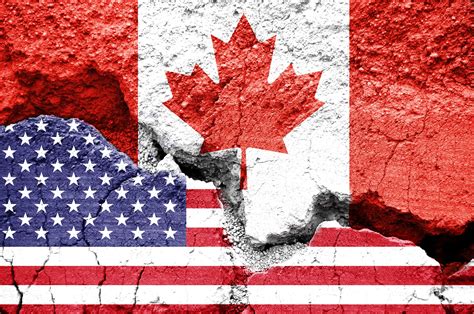
Maine, known for its beautiful coastline and vibrant tourism sector, is feeling the effects of the boycott as well. In Old Orchard Beach, where Canadians traditionally make up about 40% of the tourist population, local hoteliers are grappling with a wave of cancellations. Longtime visitors from Quebec, who have vacationed in the area for generations, are opting to stay home or seek alternative destinations, contributing to a silence that contrasts sharply with past summers filled with bustling activity. Despite efforts to incentivize return visits through discounts and loyalty programs, many Canadians remain resolute in their decision to avoid U.S. travel until they feel politically welcomed.
In Washington State, the consequences of the boycott are evident in the decline of ferry traffic. The Black Ball Ferry Line, which operates between Port Angeles and Victoria, has reported a 13% drop in foot passengers and a 15% reduction in vehicle traffic compared to last summer. This decline not only affects leisure travelers but also poses challenges for small businesses along the Olympic Peninsula that depend on Canadian tourism. Hotels and event venues in areas like Port Angeles and Sequim are experiencing lower summer bookings, and seasonal festivals have seen reduced Canadian attendance despite strong domestic turnout. The state’s tourism office is contemplating a campaign to reconnect with Canadian travelers, but many business owners express skepticism about reversing the political damage that has been done.
Upstate New York is witnessing a similar trend, particularly in border towns like Plattsburgh and Watertown, which have historically thrived on Canadian visitation. These towns, once alive with the sounds of Quebec license plates, are now facing a stark downturn in cross-border traffic. Local businesses, including outlet malls, motels, and diners, report a significant slowdown in spending from Canadian visitors, even during weekends when tourism typically surges. In New York City, the impact is equally pronounced, with airlines like Air Canada reporting lower bookings from Canadian airports. Hotels in Manhattan and Brooklyn are seeing numbers of Canadian guests fall below seasonal averages, highlighting a noticeable gap in the city’s international visitor profile.
Even Alaska, while geographically distant, is not immune to the boycott’s fallout. Canadian travelers, who often traverse British Columbia and Yukon en route to Alaska via the Alaska Highway, are noticeably absent this year. Local campground operators and tour providers report a decrease in traffic from Canadian RVs and camper vans, and ferry services connecting Southeast Alaska to Canadian ports are also experiencing reduced ridership. Although American bookings remain steady, the decline in Canadian travel is impacting small Alaskan communities that rely heavily on seasonal tourism.
In the Sunshine State, Florida is grappling with a dramatic downturn in cross-border travel. Historically a favored destination for Canadian snowbirds and vacationers, Florida has witnessed a staggering 60% cancellation rate among Canadian clients, according to local travel agencies. Airlines report a 75-80% drop in Canadian bookings to popular cities like Fort Lauderdale, Miami, and Orlando. The decline in Canadian visitors is so severe that some long-term Canadian property owners are selling off real estate investments in Florida, citing discomfort with the current political climate. Despite aggressive promotional efforts and enticing summer discounts, Florida’s tourism boards are struggling to compensate for the loss of Canadian dollars.
California’s tourism landscape is also taking a hit, particularly in major urban centers like Los Angeles, San Francisco, and San Diego, where Canadian tourists represent a crucial market segment. Recent data indicates a 15.5% drop in Canadian arrivals over the past month, with state tourism agencies forecasting a 9.2% overall decline in international visitors largely attributed to the Canadian slowdown. Iconic attractions such as Disneyland and Universal Studios are feeling the absence of Canadian visitors, prompting hotel managers across Southern California to target new international markets in an attempt to fill the void left by their loyal Canadian clientele. The message from Canadian travelers is unmistakable: their vacations are not just delayed; they are a form of protest against the political climate they perceive.
In Nevada, particularly in Las Vegas, the effects of the Canadian boycott are starkly visible against the backdrop of the city’s neon lights. Visitor volume in Las Vegas has decreased by 6.5% year-to-date, with Canadian tourism—historically one of its top five international markets—playing a significant role in this decline. Data from Harry Reid International Airport indicates a 3.6% drop in passenger traffic, attributable in part to fewer inbound flights from Canadian cities. The first quarter of the year saw declines of 12% in February, 8% in March, and 5% in April compared to the previous year. Casinos and entertainment venues are reporting softer revenues from international play, and the absence of Canadian attendees at concerts, expos, and conventions is palpable. While Las Vegas continues to attract domestic visitors, the Canadian gap is becoming increasingly pronounced.
Texas, too, is feeling the repercussions of the boycott, albeit in a quieter manner. Major cities like Houston, Dallas, and San Antonio are observing a decline in Canadian tourism, particularly in attendance at festivals, conventions, and seasonal attractions. Although Texas does not track Canadian visitors as closely as other states, event organizers and hotel chains have noted a steady drop in registrants from north of the border since early spring. As demand remains low, marketing efforts targeting Canadian travelers have been scaled back, leaving cities that have heavily invested in cross-border relationships and cultural tourism to navigate an uncertain future.
The roots of this boycott run deep, stemming from lingering resentments over tariffs and the emotional fallout from Donald Trump’s divisive rhetoric. Despite the U.S. and Canada having rolled back many of the tariffs that once fueled tensions, the sentiment persists. Many Canadian provinces have taken measures to remove American goods from store shelves, and a growing movement encourages Canadians to “vacation at home.” A recent survey by the Canadian Automobile Association reveals that only 4% of Quebecers plan to visit the U.S. this summer, a marked decline from 12% the previous year. The boycott, initially a political statement, has evolved into an economic force that is reshaping the tourism landscape across the U.S.
Efforts to repair the rift between the U.S. and Canadian tourism sectors are underway. Vermont’s Governor Phil Scott recently met with leaders from five Canadian provinces to discuss collaboration and renewal of ties. In a symbolic gesture of goodwill, Burlington has renamed its downtown “Canada Street” for the summer, hoping to foster a sense of connection. Additionally, tourism leaders from northern Vermont participated in the inaugural Cross Border Tourism Alliance meeting in Quebec, aiming to rekindle the long-standing relationships that once flourished between the two regions.
As the summer travel season unfolds, the absence of Canadian visitors resonates throughout the economy—from Vermont’s breweries to Florida’s beaches, from Washington’s ferry docks to Nevada’s casinos. The Canadian boycott, originally rooted in political protest, is now manifesting as an economic challenge that U.S. destinations cannot afford to ignore. Until changes occur in the political climate, states across the map will continue to bear the burden of a border that remains less traversed.