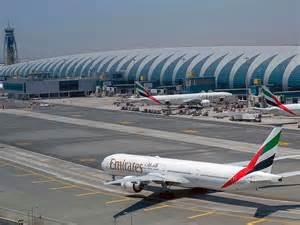
Emirates is preparing to reduce its flight schedule to Florida, with the Dubai-based airline cutting frequencies on two key US routes in September. The changes will affect services connecting Dubai International Airport (DXB) with Miami International Airport (MIA) and Orlando International Airport (MCO), reducing the carrier’s weekly Florida operations from 14 flights to 10.
The temporary adjustment represents a 29% reduction in Emirates’ Florida flight capacity and comes as airlines continue adapting their networks amid ongoing operational pressures affecting the global aviation industry. Despite the cuts, Emirates will maintain a significant presence across the United States, continuing to serve major cities from its Dubai hub.
The airline’s decision highlights the challenges facing international carriers operating long-haul routes during periods of uncertainty. Middle Eastern airlines, including Emirates, have faced additional network planning considerations following disruptions and restrictions linked to regional geopolitical developments.
Orlando Route Faces the Largest Emirates Service Reduction
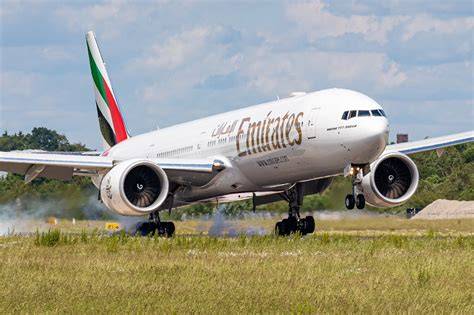
The biggest change will affect Emirates’ Dubai-Orlando route, which normally operates daily flights using the Boeing 777-200LR. Beginning in September, the airline will reduce service to four flights per week, removing flights on Tuesdays, Thursdays, and Saturdays in both directions.
Emirates launched its Orlando service in 2015, building the route into an important connection between Central Florida and the Middle East. Over its first decade of operation, the airline reported that the route carried approximately 1.1 million passengers, demonstrating strong demand from leisure travelers, business customers, and connecting passengers.
The Orlando route has traditionally benefited from Florida’s growing international tourism market. Orlando International Airport serves as a major gateway for visitors traveling to attractions, conventions, and business destinations throughout the region. However, long-haul routes require careful capacity management, particularly when airlines face changing demand patterns and operational constraints.
The scheduled flight changes will affect Emirates’ EK219 and EK220 services, which connect Dubai and Orlando. The westbound flight departs Dubai in the early morning and arrives in Orlando later the same day, while the return service leaves Florida in the evening before arriving in Dubai the following day.
Miami Service Reduced While Colombia Connection Remains Unique
Emirates will also reduce its Dubai-Miami route, although the adjustment will be smaller. The airline’s normal daily Boeing 777-300ER operation will decrease from seven weekly flights to six during September.
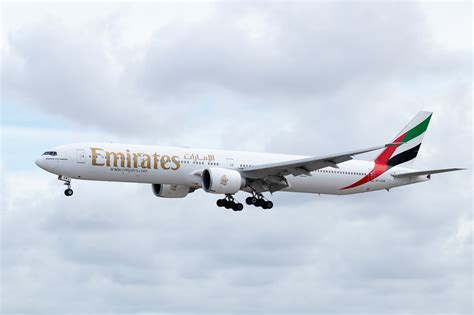
Miami remains one of Emirates’ most strategically interesting US destinations because the route includes an unusual international extension. Instead of returning directly to Dubai after arriving in Florida, Emirates continues the aircraft onward to El Dorado International Airport (BOG) in Bogotá, Colombia.
The Dubai-Miami-Bogotá service is notable because it operates using fifth-freedom traffic rights, allowing Emirates to sell tickets between Miami and Bogotá without requiring passengers to continue to or from Dubai. This makes the route a unique option for travelers between Florida and Colombia.
The complete westbound journey from Dubai to Bogotá via Miami can take up to 22 hours and 35 minutes, making it one of the world’s longest one-stop international flights. The eastbound return journey is slightly shorter at around 20 hours and 50 minutes, but still ranks among the most time-consuming commercial routes currently available.
The fifth-freedom segment gives Emirates an opportunity to strengthen its presence in the Americas while providing additional connectivity between two important markets. It also demonstrates the flexibility of modern airline networks, where aircraft can serve multiple markets during long-haul rotations.
Emirates Maintains Strong US Presence Despite Florida Cuts
Although Florida flights are being reduced, Emirates continues to operate one of the largest international networks between Dubai and the United States. The airline remains connected to major American cities including Boston, Chicago, Dallas, Houston, Los Angeles, Miami, New York, Orlando, Seattle, San Francisco, and Washington, DC.
According to aviation schedule data, Emirates continues to operate hundreds of nonstop flights between Dubai and US destinations. The airline also maintains additional one-stop services, including flights to New York John F. Kennedy International Airport via Milan Malpensa and services to Newark Liberty International Airport via Athens.
These routes allow Emirates to expand its US footprint beyond traditional nonstop operations while maximizing aircraft utilization across its global network.
Temporary Capacity Adjustment Rather Than Major US Retreat
The Florida schedule reductions do not represent a withdrawal from the US market. Instead, they reflect Emirates’ ongoing approach of adjusting capacity based on operational conditions, demand trends, and broader industry challenges.
Florida remains an important market for Emirates due to its tourism appeal, international business links, and large population connections with global destinations. Both Miami and Orlando continue to play significant roles within the airline’s North American strategy.
As aviation conditions continue changing, airlines are increasingly using flexible scheduling strategies to balance passenger demand with operational efficiency. Emirates’ latest Florida cuts demonstrate how even major global carriers must continuously adjust their networks while maintaining long-term international connectivity.