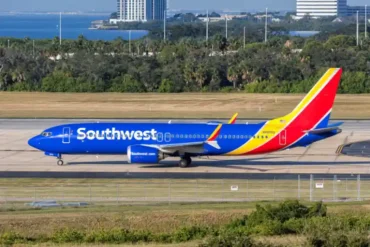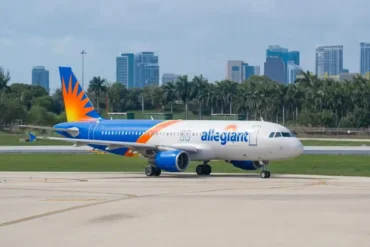
American Airlines has officially launched daily nonstop flights from Miami to key destinations in Northwest Florida, a move that strengthens the carrier’s presence in the Sunshine State while opening up greater access to Florida’s scenic Panhandle region. This strategic expansion not only benefits business and leisure travelers but also aligns with the broader tourism goals of the region, helping drive more visitors to a lesser-known but equally enchanting part of the state.
The new service connects Miami International Airport (MIA) with cities in Northwest Florida such as Pensacola, Destin, and Fort Walton Beach, reducing travel time and bypassing the previously necessary layovers or long road journeys. American Airlines’ daily connections now provide a seamless bridge between South Florida’s cosmopolitan energy and the Gulf Coast’s laid-back charm.

A Vital Link Between South and Northwest Florida
Miami has long been a key hub for American Airlines, second in size only to Dallas/Fort Worth. The city’s global air traffic and international passenger flow make it an ideal launching point for connections to other Florida destinations. By launching nonstop services to the Panhandle, American is capitalizing on this network strength to offer greater convenience for both inbound and outbound travelers.
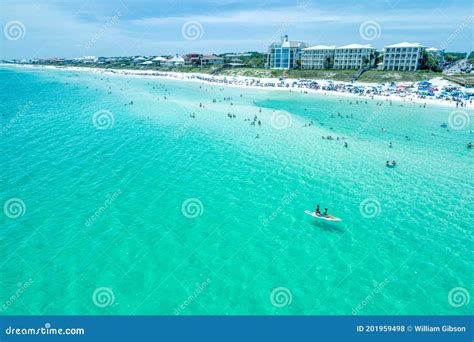
The Gulf Coast region of Florida, including counties like Walton and Bay, has become increasingly popular for its unspoiled beaches, turquoise waters, and unique dune lakes. Destinations such as Santa Rosa Beach, Seaside, Alys Beach, and Rosemary Beach have emerged as high-end getaway spots for both Floridians and out-of-state travelers seeking tranquility far from the crowds of South Florida’s urban coastlines.
This new service significantly shortens travel time to these destinations, which were previously only accessible via time-consuming car rides or convoluted multi-leg flights. As a result, the move is expected to catalyze new interest from travelers who might have overlooked the Panhandle in favor of more accessible options.
An Engine for Regional Tourism Growth
For tourism officials and local economies in Northwest Florida, the new daily flights are a game-changer. The Pensacola-Destin-Fort Walton Beach corridor, long known to southeastern U.S. vacationers, is now placed within easier reach of international visitors arriving via Miami. This accessibility is expected to dramatically increase tourism volume, stimulate hotel bookings, and boost spending at restaurants, shops, and recreational attractions.
Pensacola offers a delightful mix of historic architecture, white-sand beaches, and cultural attractions, including the National Naval Aviation Museum and Pensacola Lighthouse. Meanwhile, Destin, dubbed the “World’s Luckiest Fishing Village,” is renowned for its emerald waters and deep-sea angling adventures. Fort Walton Beach provides a family-friendly atmosphere with attractions ranging from snorkeling and kayaking to heritage parks and art galleries.
These destinations combine Southern charm with coastal beauty, making them attractive alternatives to the increasingly crowded southern tourist hotspots like Miami Beach or Key West. American Airlines’ daily flights from Miami inject new momentum into local tourism development strategies by removing one of the biggest friction points: access.

A Smart Strategic Move in a Post-Pandemic Travel Landscape
This route expansion comes at a time when U.S. domestic travel is surging. As the airline industry recovers from pandemic-era setbacks, travelers have shown increased preference for domestic destinations that offer nature, safety, and open space. Northwest Florida’s beaches and natural reserves fit perfectly into this trend.
American Airlines is making a tactical expansion of its Florida route network, tapping into pent-up travel demand and leveraging its operational strength in Miami. By eliminating layovers and providing direct access to underserved regions, the airline can improve the customer experience while enhancing its competitive position in the Florida market.
In the larger picture, this aligns with Florida’s booming tourism industry, which saw record-breaking visitation numbers in recent quarters. American’s decision to prioritize intra-state connectivity reflects a broader effort to meet demand patterns that increasingly favor direct, short-haul, regional flights.
Connecting Florida’s Cultural and Natural Treasures
Florida’s Panhandle is more than just a beach destination—it’s a confluence of natural beauty, Southern heritage, and small-town charm. With direct flights now connecting this region to Miami, travelers have easy access to an entirely different flavor of Florida.
The Panhandle is home to:
- Scenic dune lakes, which are extremely rare worldwide and found mostly in Walton County.
- Protected areas like Grayton Beach State Park, perfect for hiking and birdwatching.
- Festivals such as Digital Graffiti at Alys Beach, an annual event blending art and technology.
- Culinary highlights including the fresh seafood markets of Destin and Pensacola’s burgeoning food truck scene.
These attractions cater to a demographic that seeks more than just beach parties—travelers looking for local authenticity, culture, and eco-friendly exploration. The direct flights open the door to weekend getaways, nature retreats, and art-focused vacations that were previously less accessible to South Florida residents.

Economic Ripple Effects Across the State
The benefits of this expansion aren’t limited to Northwest Florida. Miami, as the starting point, also stands to gain. With more travelers using MIA as a launchpad for regional exploration, the airport strengthens its role as Florida’s central travel hub. This increased traffic brings business to local hotels, restaurants, and ground transportation services.
Moreover, the improved air connectivity supports job creation in both regions—from airport staff and airline crews to hospitality workers and tour operators. This kind of infrastructural enhancement is particularly valuable as tourism-dependent regions continue to rebound from COVID-19’s economic disruptions.
The ripple effect of new air service goes beyond tourism: it fosters interstate business travel, cultural exchange, and even strengthens ties between local governments and development boards in both Miami-Dade and Northwest Florida counties.
Convenience for Floridians and National Tourists Alike
Floridians now have more reasons to explore their own state. For residents of Miami, the new nonstop flights offer quick escapes to some of the state’s most beautiful landscapes. Likewise, visitors arriving internationally to Miami—whether from Europe, Latin America, or Canada—can now easily add a Gulf Coast leg to their Florida itinerary without the hassle of renting a car or enduring long connections.
Whether planning a romantic weekend, a family beach holiday, or an outdoor adventure retreat, the convenience of these new flights makes Northwest Florida more accessible than ever. For retirees, second-home seekers, and remote workers considering relocation, the improved connectivity could be a deciding factor.
Conclusion: American Airlines Strengthens Its Florida Foothold
The daily nonstop flights from Miami to Northwest Florida represent more than just a route update—they signal a shift in how airlines like American are redefining Florida’s tourism map. By bridging the state’s cultural and geographical divides, the carrier is giving travelers new tools to explore a broader, more authentic version of Florida.
For the Panhandle, this is a golden opportunity to showcase its diverse offerings to a global audience. For Miami, it’s a reaffirmation of its status as a travel hub that connects not only continents but the corners of Florida itself. American Airlines’ investment in these new routes reflects both confidence in Florida’s continued tourism surge and a commitment to unlocking the full potential of the Sunshine State’s most captivating destinations.
With demand for domestic and regional travel on the rise, the timing couldn’t be better. Travelers from Miami and beyond now have direct access to the charm, beauty, and warmth of Northwest Florida—no layovers required.