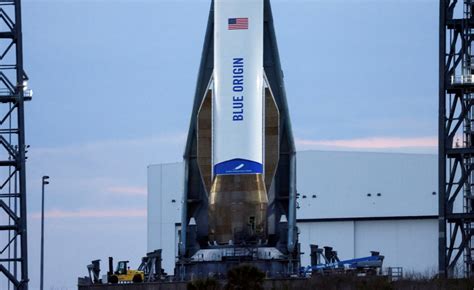
Florida is no longer just the launchpad for NASA’s storied missions—it is becoming the center of gravity for America’s private space industry. At the forefront of this shift is Blue Origin, the spaceflight company founded by Jeff Bezos. With a bold and transformative expansion strategy, Blue Origin is building out an impressive presence in the Sunshine State that goes far beyond its original ambitions.
Expanding Infrastructure at Cape Canaveral
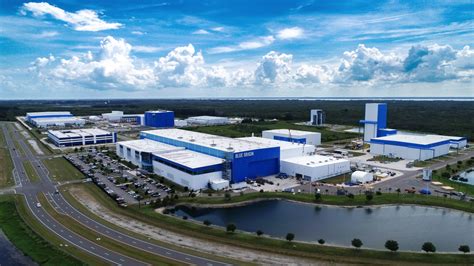
In a major step forward, Blue Origin has unveiled plans for a state-of-the-art rocket refurbishment and payload processing facility at Cape Canaveral Space Force Station. This project, valued at $78 million, is a critical response to the mounting pressure on Florida’s space launch infrastructure. With over 200 launches projected for 2025, the region is stretched thin, creating bottlenecks for providers eager to reach orbit.
The forthcoming facility is not just an expansion—it is a strategic keystone. Designed to handle up to 16 launches annually, the facility will streamline operations with capabilities such as fueling, battery charging, and secure launch preparations. It stands as a cooperative venture with the U.S. Space Force, emphasizing the importance of public-private partnerships in shaping the next generation of space logistics.
Supporting a Growing Launch Ecosystem
While Blue Origin will operate the site, the project reflects a broader collaborative ethos. Other companies—including SpaceX, which recently secured a lucrative Pentagon contract—will also have access to the facility. This model of shared infrastructure supports a more dynamic and resilient launch network across Florida.
The facility is expected to be fully operational by early 2028, and it forms a critical part of the Space Force’s strategy to encourage competition and innovation in space exploration. By fostering an ecosystem where companies can coexist and collaborate, the Space Force ensures continued U.S. leadership in orbital logistics and defense.
Anchoring Its Roots in Florida
Blue Origin’s Florida footprint is already formidable. With nearly 4,000 employees stationed across the state and investments exceeding $2.3 billion, the company has embedded itself deeply within the local economy. Working with hundreds of local suppliers, Blue Origin has built a thriving network across cities such as Orlando, Melbourne, and Merritt Island.
Among its most notable installations is the Lunar 1 Plant at Rocket Park, adjacent to the Kennedy Space Center. This site is instrumental in developing the Blue Moon Mark-2 lunar lander, a critical component of NASA’s lunar exploration efforts. The facility also works on crafting a specialized transport vehicle for Artemis missions, further tying Blue Origin’s future to NASA’s ambitions.
A Vision Rooted in Reusability and Innovation
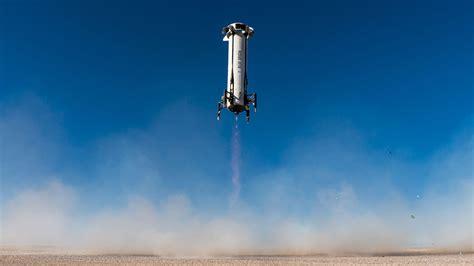
Founded in 2000 by Amazon’s Jeff Bezos, Blue Origin’s guiding vision has always been centered around building reusable rocket technology to democratize access to space. This vision took shape in the form of the New Shepard suborbital vehicle, first tested in 2012. Though some critics debate whether New Shepard flights have technically breached the Kármán line—the boundary of space—the vehicle’s 36 launches to date are a testament to its technical consistency and reusability.
The company’s propulsion technologies and emphasis on recoverable stages have created a model for sustainable spaceflight, aligning with NASA’s Artemis program goals. In 2023, Blue Origin deepened its partnership with NASA, aiming to support long-term lunar presence through transport systems and habitat technologies.
From Suborbital Dreams to Lunar Realities
Blue Origin’s near-term ambitions are focused squarely on the Moon. The Blue Moon Mark-2 lander, currently in development at the Lunar 1 Plant, represents a major leap in robotic and crewed lunar mission capabilities. With capabilities to deliver cargo and eventually humans to the Moon’s surface, the Mark-2 is positioned to become a centerpiece of future Artemis missions.
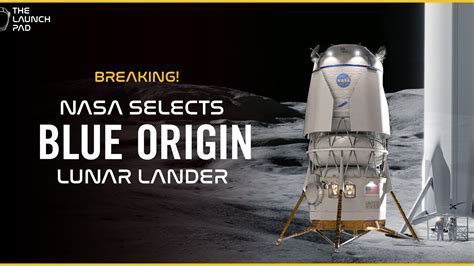
More than just hardware, the project embodies Blue Origin’s commitment to building a cislunar economy—a sustainable and economically viable system of Earth-Moon transit, operations, and development. With infrastructure rooted in Florida and a growing workforce, Blue Origin is setting the stage to transform lunar exploration into a commercial reality.
Education and the Next Generation: Club for the Future
Beyond rockets and lunar vehicles, Blue Origin is cultivating the human capital essential for the future of space. Through its nonprofit arm, Club for the Future, the company is engaging Florida’s youth in hands-on STEM education. Collaborating with local schools and educators, the initiative introduces students to space science, engineering challenges, and career pathways in aerospace.
Programs developed by the club not only provide technical education but also foster curiosity and imagination, two essential ingredients in pioneering a multi-planetary future. The initiative is seen as an investment not only in future engineers and astronauts but in the long-term vitality of the U.S. space industry.
The Strategic Importance of Florida’s Space Coast
Florida’s geography makes it a natural gateway to space. Proximity to the equator gives rockets an extra velocity boost, reducing fuel consumption and enabling heavier payloads. Blue Origin’s decision to consolidate and grow its operations in Florida is no accident—it is a move aligned with logistical efficiency, strategic partnerships, and national security priorities.
The Cape Canaveral Space Force Station provides direct launch access while also being connected to major aerospace hubs and government partners. Florida’s infrastructure, including intermodal transport, skilled labor, and regulatory support, forms the backbone of Blue Origin’s long-term strategy.
Coexisting With Competitors: Collaboration Over Rivalry
Despite the frequent media framing of Blue Origin vs. SpaceX, the reality on the ground in Florida is far more cooperative. The new shared facility at Cape Canaveral is a prime example. Rather than isolating its operations, Blue Origin is embracing a model that promotes industry-wide growth.
This collaborative approach is not just about access to facilities. It’s about sharing best practices, aligning launch windows, and ensuring that American aerospace companies remain globally competitive. While Blue Origin and SpaceX may be competing for contracts, they are also contributing to a shared mission of expanding human presence beyond Earth.
Economic Impact and Community Integration
The expansion of Blue Origin is also a boon for Florida’s economy. With thousands of jobs created and billions injected into the state’s industrial supply chain, Blue Origin has become a cornerstone of Florida’s economic development strategy. The company’s investments help revitalize regional economies, create high-skilled job opportunities, and spur secondary industries such as logistics, manufacturing, and advanced robotics.
Blue Origin’s active engagement with community stakeholders, including local governments, universities, and small businesses, further strengthens its long-term ties to Florida. These partnerships are creating a model for how private spaceflight companies can successfully integrate into local ecosystems while pursuing globally ambitious goals.
Looking Ahead: Florida as the Launchpad of the Future
As Blue Origin continues to scale its operations, the company’s future looks tightly interwoven with Florida’s rise as a space power center. The new Cape Canaveral facility, the development of Blue Moon systems, the nurturing of young talent, and the integration with Space Force and NASA operations—all signal that Blue Origin is not merely expanding; it is evolving.
In the coming years, as missions multiply and capabilities grow, Florida will no longer be just one of many launch sites—it will be Blue Origin’s strategic cornerstone. With a bold vision and expanding physical footprint, Blue Origin is solidifying its place not just in the skies, but in the very infrastructure and communities of Florida itself.