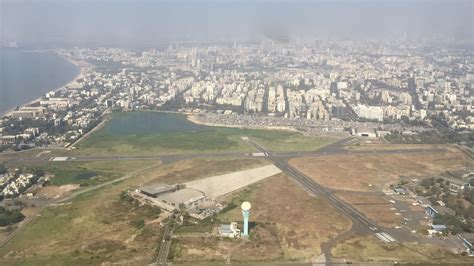
The aviation history of India is deeply interwoven with the emergence of pioneering carriers that set the tone for civil air transport during the British colonial era. Among these, Air Services of India, founded in 1936, stands out as a defining force that helped shape early commercial aviation in the subcontinent. Operating from the historic Juhu Aerodrome in Mumbai, the airline played a significant role in connecting remote cities, establishing dependable air routes, and pushing the boundaries of what was possible in civil aviation at the time.
From its modest beginnings with light aircraft like the de Havilland Dragonfly and Airspeed Courier, to eventually operating a wide-ranging network across Western and Central India, Air Services of India was a testament to ambition, innovation, and resilience.
The Formative Years of Indian Air Services
We begin our journey in 1936, a period when India’s aviation infrastructure was nascent, and air travel remained a luxury. Air Services of India started operations with the goal of connecting the Kathiawar Peninsula with Poona, utilizing small, efficient aircraft suited for short-haul journeys. These early flights were vital, not merely as transportation services but as political and economic lifelines for princely states and emerging urban centers.
The company’s fleet included:
-
Percival Vega Gulls
-
de Havilland Fox Moth
-
Airspeed Courier
Such aircraft were ideal for handling light payloads, navigating undeveloped runways, and bridging short intercity distances. Yet, the company’s vision extended well beyond local air-taxis. By early 1939, a landmark route from Kolhapur to Mumbai was established. This new line was inaugurated by Maharaja of Kolhapur, a key patron who personally invested in the development of Kolhapur’s airport.
Wartime Transition and the Scindia Line
The outbreak of World War II in 1939 introduced unforeseen challenges and opportunities. While civil aviation was largely suspended to prioritize military operations, the post-war period saw a dramatic reshaping of commercial air fleets. In 1941, The Scindia Steam Navigation Company Ltd. acquired Air Services of India, and the airline became known as the Scindia Line.
Post-war operations resumed on 3 May 1946 with an upgraded fleet, including:
-
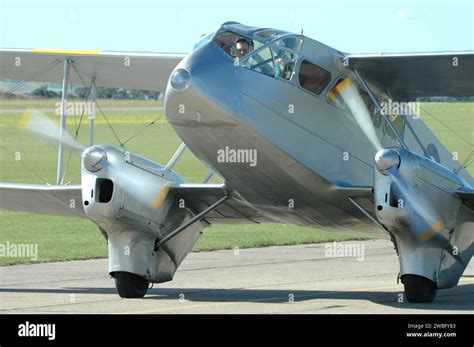
de Havilland Dragon Rapides
-
Douglas C-47 Skytrains (converted from surplus United States Air Force inventory)
-
Sud-Ouest Corse (a rare French-built aircraft used exclusively for civilian operations by Air Services of India)
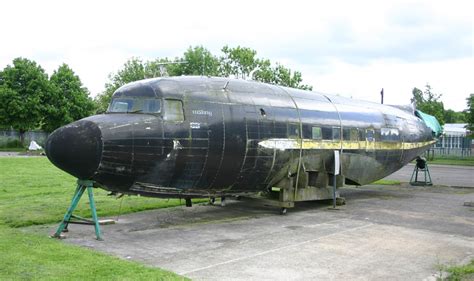
These aircraft enabled longer routes, greater cargo capacity, and more consistent service across India’s expanding aviation map. This technological leap allowed the airline to serve a growing list of destinations while maintaining an impressive safety record.
Strategic Importance and Expansion
By the early 1950s, Air Services of India had carved out a strategic niche, connecting Western, Central, and parts of Northern India with regular and reliable air service. Notably, it was one of the few airlines of that era to operate flights to Karachi, now in Pakistan, reflecting the pre-Partition geographical integration.
Major operational hubs and cities included:
-
Mumbai (Juhu Aerodrome)
-
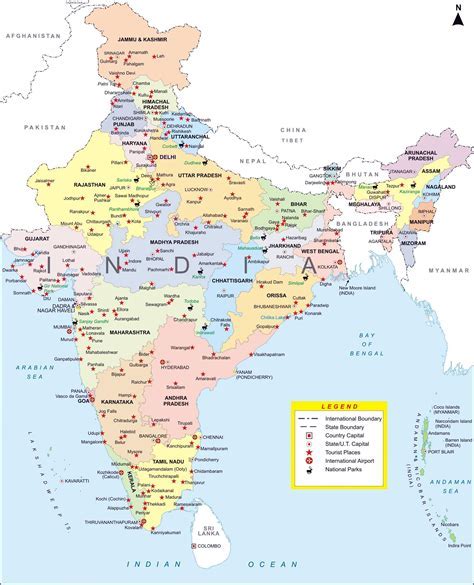
Poona (Pune International Airport)
-
Lucknow (Amausi International Airport)
-
Cochin (Willingdon Island Airport)
-
Indore (Devi Ahilyabai Holkar Airport)
-
Karachi (Karachi Airport)
The network supported regional economies, accelerated the mobility of goods, and connected otherwise isolated populations to administrative and commercial centers. Such integration laid the foundation for a more unified Indian airspace in the years to come.
Integration into Indian Airlines Corporation
The defining moment in the airline’s journey came in 1953 with the passing of the Air Corporations Act. The Indian government, aiming to nationalize and consolidate the scattered civil aviation industry, merged eight domestic airlines into the newly formed Indian Airlines Corporation.
Air Services of India was designated as Line 7 in the new structure, contributing its well-established routes, fleet, and experienced personnel to the central carrier. While the airline ceased to exist as a standalone brand, its operational legacy continued to influence the structure of domestic aviation for decades.
Fleet Innovations and Rare Aircraft
One of the most notable aspects of Air Services of India was its diverse and somewhat avant-garde fleet composition. Unlike larger carriers that favored American-made aircraft, this airline integrated European aviation technologies as well, with the Sud-Ouest Corse being a rare and unique example.
Fleet Highlights:
-
Douglas C-47 Skytrain (VT-AXC, VT-AUU) – Renowned for their durability and capacity.
-
de Havilland Dragon Rapide (VT-AVW) – Twin-engine biplanes suitable for rugged conditions.
-
Sud-Ouest Corse – A rare aircraft globally, with Air Services of India being its only known civil operator.
These aircraft choices were driven by practical considerations — availability, operating costs, and runway requirements — but also reflected the airline’s adaptive and forward-thinking approach.
Incidents and Operational Challenges
Despite a mostly clean operational record, the airline was not immune to the occasional mishap:
-
25 January 1950 – A Douglas C-47 (VT-CPQ) carrying cargo crashed during takeoff at Shella Airport. No casualties were reported.
-
9 May 1953 – Another Douglas C-47 (VT-AXD) suffered a takeoff accident at Juhu Aerodrome. The premature retraction of the undercarriage before liftoff caused the aircraft to belly land. Again, there were no injuries.
These events, while non-fatal, highlighted the need for improved operational standards, better training, and tighter regulatory oversight—factors which the nationalized Indian Airlines would later address systematically.
Contribution to Indian Civil Aviation
We cannot overstate the historical significance of Air Services of India. It was more than just a private carrier; it was a symbol of enterprise during colonial constraints, and later, a key contributor to the national air network.
The airline:
-
Created early infrastructure at cities like Kolhapur.
-
Fostered regional connectivity before road or rail networks were fully developed.
-
Experimented with diverse aircraft technologies.
-
Transitioned gracefully into the government-led aviation structure.
Its operational ingenuity, fleet diversity, and network expansion strategies continue to be studied by aviation historians and professionals alike.
FAQs
What was the significance of Air Services of India in Indian aviation history?
Air Services of India played a foundational role in developing regional air connectivity during the pre-independence and immediate post-independence periods. It served as a model for safe and strategic air transport across Western and Central India, and its legacy lived on through the Indian Airlines Corporation.
What kind of aircraft did Air Services of India operate?
The airline operated a range of aircraft including the de Havilland Dragon Rapide, Douglas C-47 Skytrain, and the rare Sud-Ouest Corse, making it one of the most technically diverse fleets of its time. These aircraft allowed operations on both short rural airstrips and longer intercity routes.
When and why was Air Services of India merged into Indian Airlines?
In 1953, under the Air Corporations Act, Air Services of India was merged into the Indian Airlines Corporation to unify and streamline the country’s domestic aviation sector. This was part of a larger nationalization movement aimed at consolidating infrastructure and resources post-independence.