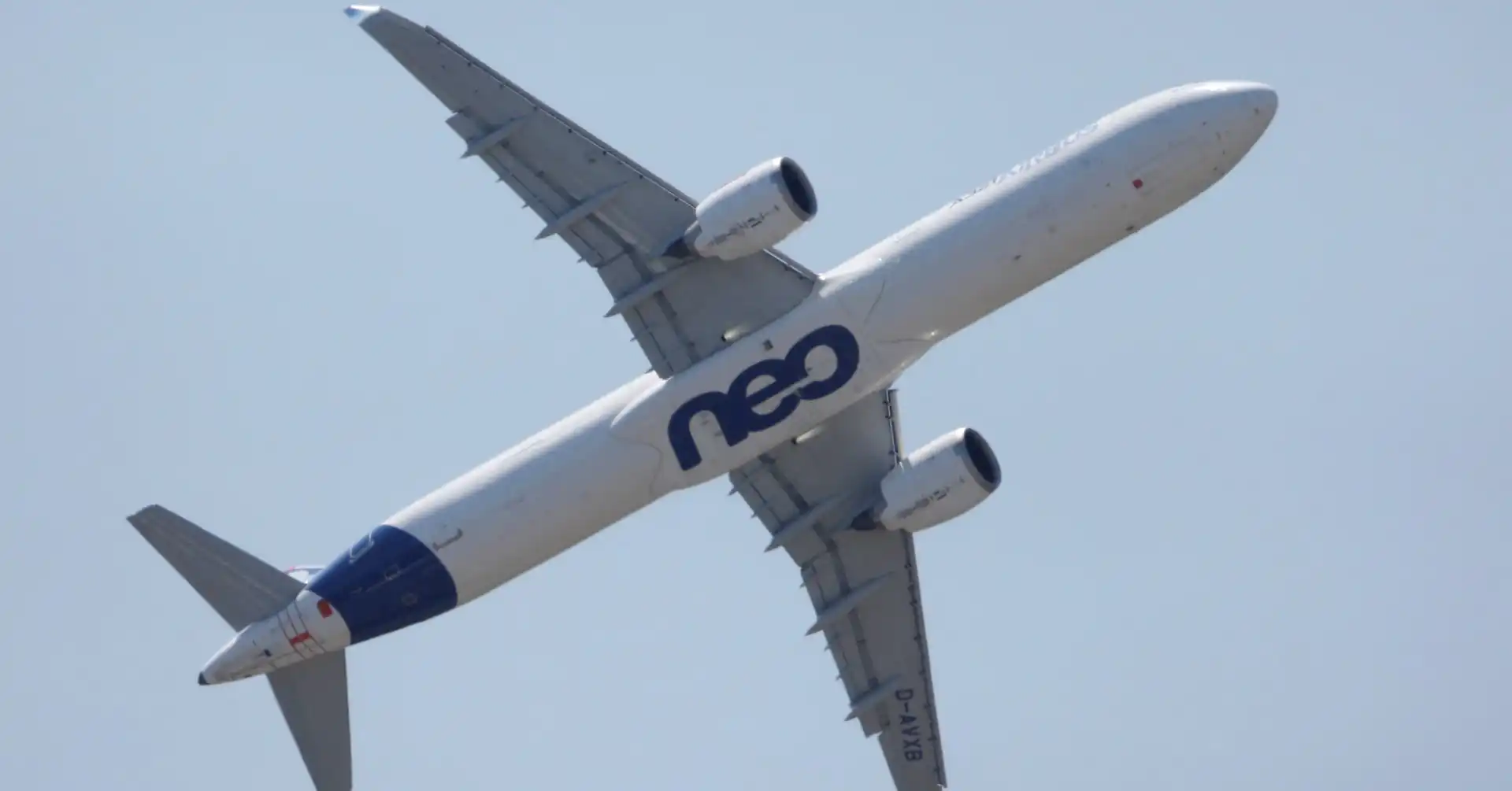
More than 500 Airbus A321neo aircraft could be affected by a manufacturing deviation involving the anti-corrosion coating applied to structural components inside the lower forward fuselage. Airbus has confirmed the issue, but says it is a quality problem rather than a safety issue, and affected aircraft can continue flying while a corrective process is implemented.
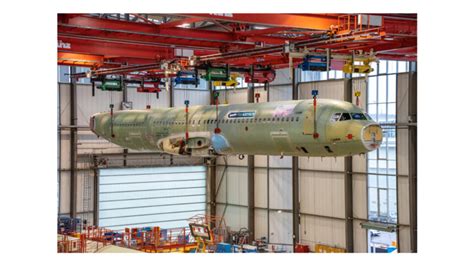
The problem concerns a thin layer of anti-corrosion primer applied to fuselage stringers, which are longitudinal structural members that reinforce the aircraft’s outer skin. The coating is intended to protect these components from corrosion during the aircraft’s service life. According to sources familiar with the matter, roughly 250 affected A321neos are already in airline service, while another 250 or more are still moving through production.
Airbus A321neo Coating Problem Involves Fuselage Stringers
The affected area is particularly important because fuselage stringers form part of the structure supporting the aircraft’s skin. Although the deviation concerns the surface protection applied to the stringers rather than the structural strength of the components themselves, insufficient coating could potentially leave the material less protected against corrosion over time.
Airbus has described the condition as a “surface protection deviation” involving the lower forward fuselage. The manufacturer says it has identified the source of the problem and contained it, while a rework procedure is already available for aircraft requiring corrective action.
The company has also emphasized that the rework does not require the stringers to be removed from the aircraft. Airbus says the corrective coating can be applied without disassembling the structural components, after which the aircraft is considered to have returned to its nominal design condition.
That distinction is significant for airlines because removing and reinstalling fuselage structure would potentially require substantial maintenance downtime. Instead, the available procedure allows the issue to be addressed without undertaking major structural disassembly.
Italian Supplier Linked To A321neo Production Deviation
Airbus has reportedly traced the coating deviation to a second-tier Italian supplier. Sources have identified the company as TESI, a subcontractor working with Leonardo. Leonardo is one of two suppliers providing A321neo fuselage stringers, with the other being Airbus Atlantic, Airbus’ own industrial unit formerly known as Stelia.
Airbus says the source of the deviation has been identified and contained, and that newly coated stringers now meet the manufacturer’s requirements. The company has therefore been able to prevent the same condition from continuing through the production system.
For airlines already operating affected aircraft, Airbus has indicated that there is no immediate requirement to carry out the rework. Customers have been informed about the condition, but affected A321neos can remain in service. Airlines are also continuing to accept deliveries of aircraft that are subject to the deviation, reflecting Airbus’ assessment that the condition does not create an immediate flight-safety concern.
The longer-range A321XLR is not affected, according to the available information. The A321XLR entered commercial service in late 2024 and shares much of its basic architecture with the A321neo, but the coating deviation identified by Airbus is specific to the affected A321neo production population.
More Than 500 Aircraft Could Be Involved
The scale of the issue is notable because the A321neo has become the central aircraft in Airbus’ narrowbody strategy. The type has accumulated almost 8,000 orders, representing close to two-thirds of total A320neo family orders. More than 2,200 A321neos have already been delivered, leaving a backlog exceeding 5,600 aircraft.
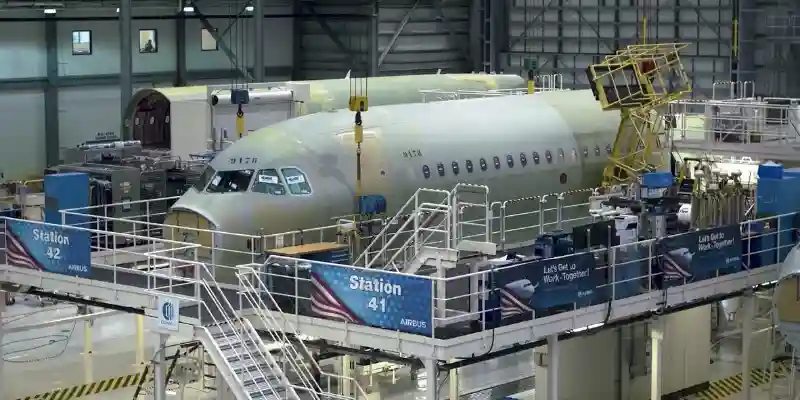
That enormous production footprint means even a relatively localized supplier-quality problem can potentially affect hundreds of aircraft. The affected airframes are reportedly spread across different stages of completion, with production activity taking place throughout Airbus’ manufacturing network in Europe, the United States and China.
The issue therefore arrives at a sensitive moment for Airbus. The company is working to increase A320neo-family production while simultaneously clearing a substantial backlog of A321neos. Airbus has also moved to reactivate its former A380 wing production facility in Broughton, Wales, as part of its broader effort to increase industrial capacity.
A321neo Quality Issue Adds Pressure To Airbus Deliveries
The coating deviation also comes as Airbus works toward an ambitious 2026 delivery target of around 870 commercial aircraft. The manufacturer delivered 475 aircraft during the first eight months of the year, compared with 434 during the corresponding period of 2025.
That leaves approximately 395 aircraft to be delivered during the final four months if Airbus is to reach its annual target. The A321neo is expected to remain a major contributor to those deliveries. In August, 26 of the 43 A320neo-family aircraft delivered by Airbus were A321neos.
Airbus is simultaneously targeting a substantial increase in narrowbody production, with A320neo-family output expected to rise from roughly 60 aircraft per month toward 75 aircraft per month by the end of 2027. Maintaining consistent quality while increasing production rates is consequently a major industrial challenge.
Previous Airbus Fuselage Quality Issue
The latest finding is not the first recent Airbus quality-control problem involving narrowbody fuselage components. In December 2025, thickness deviations involving fuselage panels manufactured by Spanish supplier Sofitec Aero resulted in inspections affecting more than 600 A320-family aircraft.
That earlier problem contributed to Airbus reducing its 2025 delivery target from approximately 820 aircraft to around 790. Airbus ultimately delivered 793 commercial aircraft during the year.
The current A321neo coating deviation is different in nature. The available information indicates that the issue concerns the protective treatment applied to structural stringers, rather than an identified deficiency in the structural design or an immediate threat to the aircraft’s ability to fly.
For airlines and passengers, the most important point is therefore that Airbus considers the affected aircraft safe to operate. The manufacturer has identified the supplier issue, stopped the non-conforming process, established a repair method and informed customers. The remaining challenge is managing the corrective work across a large production population without disrupting an already demanding A321neo delivery schedule.