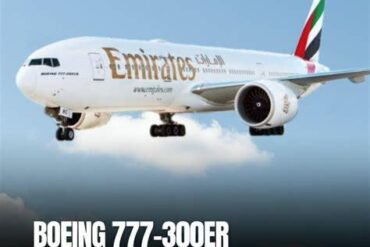
The Boeing 777-300ER stands among the most durable widebody aircraft ever built. Airlines rely on it for some of the longest and most demanding routes on Earth, from ultra-long transpacific flights to heavy-load routes between global megahubs. What allows this aircraft to endure such relentless operational stress is not a single technological trick, but a layered combination of advanced metallurgy, composite materials, structural design philosophy, and sophisticated engineering validation.
Across decades of service, the aircraft has demonstrated remarkable resilience against fatigue cracking, environmental corrosion, and structural degradation, two of the most persistent enemies in aviation engineering. Commercial aircraft are subjected to thousands of pressurization cycles, violent temperature swings, ultraviolet radiation, moisture exposure, and immense aerodynamic loads. Over time, these forces gradually degrade most metals. Yet the 777-300ER was specifically engineered to resist these threats with unusual effectiveness.
The result is an aircraft that not only flies far and carries more passengers than earlier twinjets, but also maintains structural integrity for decades, giving airlines a machine that remains economically viable deep into its service life.
The Strategic Evolution of the Boeing 777 Program
The story of the 777-300ER’s structural resilience begins with the broader Boeing 777 program, which emerged in the late 1980s when airlines demanded a highly efficient replacement for large four-engine aircraft like the Boeing 747-100 and 747-200.
Boeing’s solution was radical for its time: a large twin-engine widebody capable of intercontinental range. The original 777-200 entered service in 1995, followed by the 777-200ER, which expanded long-haul capability. While these aircraft proved successful, airlines soon wanted more capacity and more range.
The 777-300, introduced in 1998, stretched the fuselage dramatically to accommodate roughly 20% more passengers. However, its range lagged behind competing long-haul aircraft. Boeing responded with a more powerful and technologically advanced variant: the 777-300ER (Extended Range).
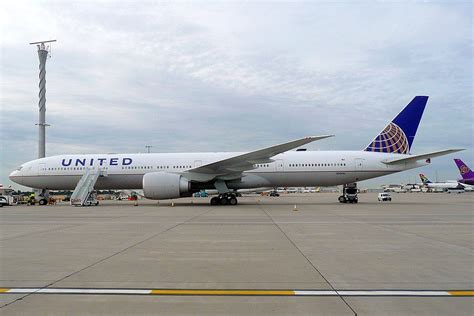
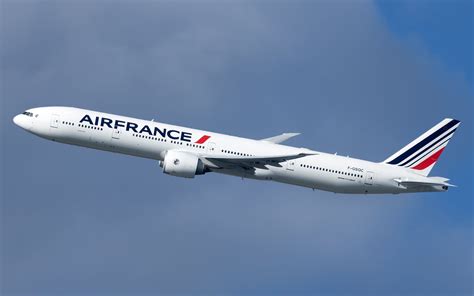
This aircraft, entering service with Air France in 2004, incorporated a broad array of upgrades. Some of these were visible—larger engines, raked wingtips, reinforced landing gear. Others were more subtle but arguably more important: material innovations designed to resist fatigue and corrosion over tens of thousands of flight cycles.
From the beginning, Boeing understood that long-haul aircraft face particularly severe operational stress. Ultra-long flights involve extended pressurization periods, heavy fuel loads, and repeated high-altitude exposure, conditions that accelerate metal fatigue if not properly mitigated.
Understanding Fatigue and Corrosion in Aircraft Structures
To appreciate the 777-300ER’s durability, it helps to understand the twin structural enemies engineers must battle: metal fatigue and corrosion.
Fatigue occurs when repeated stress cycles cause microscopic cracks to form in metal structures. Aircraft experience these cycles every time the fuselage pressurizes and depressurizes during flight. A typical long-haul aircraft can accumulate tens of thousands of these cycles across its lifetime.
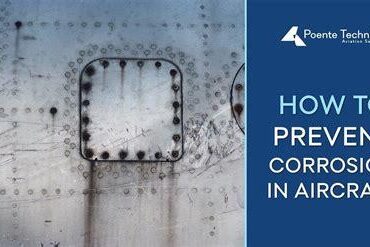
Corrosion, meanwhile, is a chemical process in which metals gradually degrade due to environmental exposure. Aircraft operate in particularly harsh environments that accelerate corrosion:
- Salt-laden air near oceans
- Moisture trapped inside structural cavities
- Wide temperature swings between ground and cruise altitude
- Chemical exposure from de-icing fluids and pollutants
Left unchecked, corrosion can weaken structural components and accelerate fatigue cracking. For a global long-haul aircraft expected to accumulate 100,000 flight hours or more, combating these forces becomes a fundamental design priority.
The 777-300ER addresses these threats through material selection, structural reinforcement, and protective coatings, forming a multi-layered defense against degradation.
Advanced Aluminum Alloys: Strength Without Excess Weight
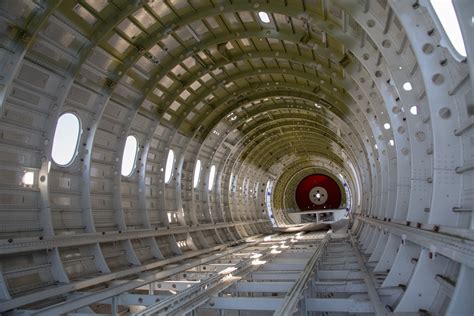
A key ingredient in the aircraft’s resilience lies in the advanced aluminum alloys used throughout its structure. While aluminum has long been a staple of aircraft construction due to its high strength-to-weight ratio, Boeing adopted newer alloy formulations specifically optimized for fatigue resistance.
The fuselage skins, frames, and structural beams use aluminum alloys engineered to:
- Resist crack propagation
- Maintain strength after repeated pressurization cycles
- Minimize susceptibility to corrosion
These alloys allow the aircraft to absorb stress without developing structural weaknesses, extending the safe operational lifespan of the airframe.
Engineers also designed structural joints and fastener systems with fatigue reduction in mind. By carefully distributing stress loads across the fuselage structure, Boeing minimized areas where concentrated stress could initiate cracks.
The result is a fuselage capable of withstanding decades of pressurization cycles while maintaining its original strength profile.
Titanium Reinforcement in Critical Structural Areas
Another important material in the 777-300ER’s anti-fatigue strategy is titanium. This metal is heavier and more expensive than aluminum, but it offers exceptional strength and corrosion resistance.
Boeing strategically incorporated titanium into high-stress structural zones, including:
- Engine pylons
- Wing attachment structures
- Landing gear fittings
- Key structural connectors
These areas endure particularly intense mechanical loads. Engines generate enormous thrust forces, while the landing gear absorbs violent shock during touchdown. Titanium’s ability to withstand high stress without fatigue failure makes it ideal for these critical components.
In addition, titanium naturally forms a thin oxide layer that protects it from corrosion. This makes it especially valuable in locations exposed to moisture, temperature changes, and chemical contaminants.
By combining titanium reinforcement with advanced aluminum alloys, Boeing created a hybrid structural architecture that balances strength, weight, and durability.
Composite Materials That Resist Environmental Damage
Although the 777-300ER predates the composite-heavy Boeing 787 Dreamliner, it still uses carbon-fiber composite materials in several structural areas.
Composites offer multiple advantages over traditional metals:
- They do not corrode
- They resist fatigue cracking
- They maintain structural stiffness over time
- They reduce overall aircraft weight
Boeing used composites in components such as control surfaces, fairings, floor beams, and secondary structural elements. While these materials represent a smaller percentage of the airframe compared to newer aircraft designs, they still contributed significantly to the aircraft’s durability.
The composites also helped reduce the aircraft’s weight by roughly 1,180 kilograms, improving fuel efficiency and allowing airlines to carry additional payload over long distances.
Protective Coatings and Advanced Sealants
Structural materials alone cannot fully prevent corrosion. Aircraft designers must also protect metal surfaces from environmental exposure. The 777-300ER benefits from advanced coating technologies and sealant systems designed to shield structural components from moisture and chemical contamination.
These protective measures include:
- Anti-corrosion primers on aluminum surfaces
- Specialized paint systems that resist ultraviolet radiation
- Sealants in structural joints to prevent water intrusion
- Drainage designs that prevent fluid accumulation
Such details may appear mundane compared with engines or wings, yet they play an essential role in extending aircraft lifespan. Even a tiny pocket of trapped moisture can gradually initiate corrosion in poorly protected structures.
Boeing engineers applied lessons learned from earlier aircraft programs—including the 747 and 767—to ensure the 777’s internal cavities remain dry and protected.
Digital Design That Eliminated Structural Weak Points
The Boeing 777 holds another historical distinction: it was the first commercial aircraft designed entirely using computer-aided design (CAD) systems.
This digital approach allowed engineers to simulate structural loads with unprecedented precision before the aircraft ever entered production. Engineers could identify potential fatigue hotspots in the design phase and reinforce them accordingly.
By modeling aerodynamic forces, pressurization cycles, and mechanical stresses, Boeing created a structural blueprint optimized for longevity. Instead of discovering weak points during operational service, engineers eliminated many of them during design.
This approach dramatically improved reliability and helped the aircraft achieve an exceptional 99.5% schedule reliability rate, making it one of the most dependable twin-aisle aircraft in service.
The Role of the GE90-115B Engines in Structural Efficiency
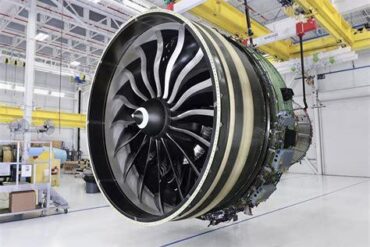
A defining feature of the 777-300ER is its massive General Electric GE90-115B engines, the most powerful commercial turbofan engines ever built.
These engines produce immense thrust, enabling the aircraft to carry heavy loads across 7,370 nautical miles. Yet their power also contributes indirectly to the aircraft’s structural durability.
Because the engines generate so much thrust, the aircraft can achieve required performance with two engines instead of four. Fewer engines mean fewer structural attachment points, fewer vibration sources, and simpler maintenance structures.
The engines themselves are mounted on pylons reinforced with titanium and high-strength alloys, ensuring that the tremendous forces generated during takeoff do not degrade surrounding structures over time.
Why Airlines Trust the 777-300ER for Long-Haul Operations
The engineering decisions behind the aircraft’s durability translate directly into operational advantages for airlines.
The 777-300ER has attracted over 800 orders, representing more than half of all passenger 777 variants delivered before the arrival of the next-generation 777X. Airlines value not only its passenger capacity and range but also its exceptional structural longevity.
Airlines benefit from:
- Lower long-term maintenance costs
- Longer intervals between heavy inspections
- Reduced downtime due to corrosion repairs
- Higher aircraft availability
Boeing estimates that improved maintenance scheduling alone saves operators over 400 labor hours per aircraft each year, allowing aircraft to spend more time generating revenue.
A Safety Record Reinforced by Structural Integrity
One of the most telling indicators of the aircraft’s engineering quality is its outstanding safety record. While the broader 777 family has experienced several hull-loss incidents, none have been attributed to structural failure of the 777-300ER.
Instead, incidents have typically involved external factors such as fuel system issues, runway conditions, or human error.
Over its decades of operation, the aircraft type has transported billions of passengers worldwide, with individual aircraft completing hundreds of flights every year. Such operational intensity would quickly expose structural weaknesses if they existed.
Instead, the aircraft continues to demonstrate the durability envisioned during its design phase.
The Legacy of the 777-300ER and the Future 777X
Boeing delivered the final 777-300ER in 2024, closing one of the most successful chapters in commercial aviation manufacturing. Yet the aircraft will remain a cornerstone of global long-haul fleets for many years.
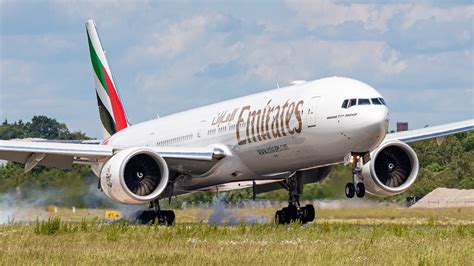
More than 500 aircraft remain active, serving airlines including Emirates, Qatar Airways, Air France, Cathay Pacific, and Turkish Airlines. Many of these aircraft are still relatively young and expected to remain in service for decades.
The lessons learned from its design directly influenced Boeing’s next generation widebody, the 777X. This upcoming aircraft will push durability even further with technologies such as carbon-fiber reinforced polymer wings, aluminum-lithium fuselage structures, and advanced structural health monitoring systems.
These systems will continuously monitor structural stresses in real time, alerting maintenance teams before minor issues can evolve into serious problems.
In many ways, the 777-300ER represents the bridge between traditional aluminum aircraft and the composite-rich future of aviation. Its remarkable resistance to fatigue and corrosion shows what careful engineering, advanced materials, and rigorous design philosophy can achieve.
Few aircraft embody the marriage of strength, longevity, and operational efficiency as convincingly as the Boeing 777-300ER—a machine built not merely to fly long distances, but to endure them for decades.