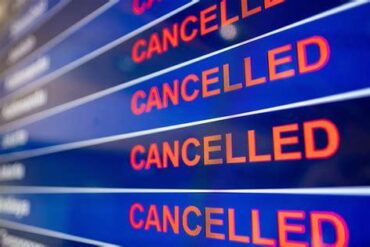
IndiGo, long regarded as the backbone of India’s domestic aviation network, encountered a spectacular operational collapse that left thousands of passengers stranded and exposed significant planning flaws at the airline’s core. The carrier, which commands roughly 65% of India’s domestic market and operates around 2,300 flights daily, canceled more than 1,000 flights in a single day and grounded all departures from its New Delhi hub. The immediate trigger was a set of stricter pilot fatigue regulations introduced by Indian aviation authorities, but the crisis was compounded by a chain of operational stresses — schedule complexity, overnight rotations, technology glitches, and adverse weather — that together overwhelmed IndiGo’s contingency capacity.
The new fatigue rules, rolled out in stages with an initial tranche on July 1, 2025, and a stricter phase on November 1, 2025, require longer rest periods for flight crews and impose tighter restrictions on night flying. For an airline optimized for high-utilization, quick-turnaround operations and heavy nighttime scheduling, these changes are structurally material. The rules were not a surprise: regulators gave advance notice and timelines. What transformed policy change into meltdown was how deeply those rules cut into IndiGo’s rostering model, and how little slack the airline had left to accommodate realistic operational variance.
Operational systems are only as good as the assumptions baked into them. IndiGo’s schedules appear to have been built around a best-case scenario where crews always operate within planned rest windows and where disruptions remain within predictable bounds. Once the new rest windows widened and nighttime flying was curtailed, the margin for error evaporated. When real-world disruptions arrived — a mix of inclement weather, airport congestion in major hubs, and back-office technology hiccups — the rostered pilot pool could not absorb the required duty changes without cascading cancellations and aircraft groundings.
Regulators have been explicit: the primary cause of the crisis was misjudgment and planning gaps at the carrier. That is a striking assessment in itself. For years, IndiGo cultivated a reputation for punctuality and reliability, partly by squeezing maximum block hours from its aircraft and crew. That model depends on precise forecasting and conservative allowance for downtime; when those allowances are minimal, any substantive rule change becomes a systems shock. The airline’s CEO, Pieter Elbers, cited multiple contributing factors — technology glitches, schedule changes, severe weather, and increased congestion — but even his list of culprits circles back to the same structural problem: an over-optimized operation with insufficient resilience.
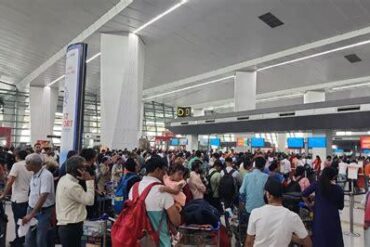
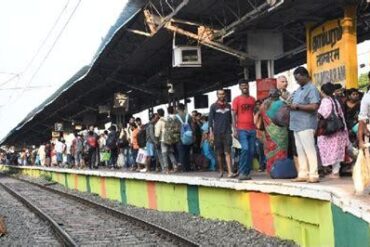
The human cost of the collapse is immediate and visible. Airports nationwide reported chaotic scenes as passengers faced long waits and limited information. Frontline employees — gate agents and cabin crew — bore the brunt of passenger frustration despite not being responsible for strategic roster or fleet decisions. Reports from terminals described crowded departure gates, exhausted passengers seeking rebookings, and a spike in complaints and social-media outrage. For travelers, the meltdown highlighted how quickly reliability can disappear when an airline otimizes away slack.
This episode also exposes deeper industry trade-offs. Low-cost carriers like IndiGo build profitability through high aircraft utilization and dense schedules. High utilization is profitable until it meets regulatory safety floors that demand longer crew rest and less night flying. The only durable long-term responses are structural: either reduce utilization (park aircraft and accept reduced flight frequency), hire and train a larger pilot pool (a months-long process), or lobby for operational relief through regulatory flexibility. In this case, Indian regulators moved to temporarily relax the new rest rules for a short period, a pragmatic choice that buys breathing room but does not solve the underlying capacity mismatch.
The timeline and the airline’s communications raise questions about crisis preparedness and corporate governance. The second round of fatigue restrictions went into effect on November 1, 2025, yet the operational implosion unfolded in early December. That gap suggests either poor scenario planning, an over-reliance on short-term mitigation, or an internal misread of how reserves and rosters would behave under stress. Airlines commonly model a wide range of disruption scenarios; an airline of IndiGo’s size faces an existential risk if it underestimates the operational impact of crew-rest policy changes. The fact that regulators publicly attributed the collapse primarily to the airline’s planning failures is a blunt rebuke and will likely lead to a formal review of IndiGo’s compliance and contingency frameworks.
From a passenger rights and compensation standpoint, the uproar will intensify scrutiny of how IndiGo handled rebooking, accommodation, and communication. An operational crisis of this scale tests every customer-facing process: call centers, digital platforms, airport re-accommodation desks, and partner arrangements for hotels and alternate flights. Anecdotal evidence suggests many passengers received poor information and limited assistance during the most acute hours of the event, intensifying dissatisfaction. That will matter both for brand reputation and for any regulatory enforcement or compensation claims that follow.
For employees, the fallout is two-fold. Pilots and crew experienced uneven rostering and operating conditions as the airline scrambled to realign flights with the new rules. Meanwhile, airport-facing staff absorbed passenger frustration, which can increase stress and burnout for frontline teams. Yet it’s crucial to note — and to communicate clearly in a crisis — that frontline staff are rarely the architects of systemic scheduling decisions. Treating them as the target for public anger is ethically wrong and operationally counterproductive; they are the people most affected by crises and also the most essential to recovery.
Strategically, IndiGo now faces three interlocking choices. One path is to rapidly hire and train additional pilots and crew to rebuild rostering resilience; this is costly and time-consuming, with pilot training pipelines measured in months to years rather than weeks. A second option is to reconfigure schedules to reduce overnight utilization, thereby aligning operations with the new rest mandates; this reduces short-term capacity and revenue but increases stability. A third is continued engagement with regulators to seek phased implementation or temporary relief while the airline builds capacity. IndiGo has been granted temporary relaxation of the rules and hopes to restore normalcy between December 10 and December 15, 2025, but reopening without structural changes risks recurring disruption.
The crisis also surfaces consequential lessons for airline risk management in a tightly regulated environment. Baseline assumptions about crew availability, regulatory compliance windows, and the behavior of cascading operational disruptions must be stress-tested far beyond historical norms. Scenario planning should incorporate regulatory shocks and ensure that critical system redundancies — reserve crew pools, contingency aircraft, and real-time scheduling flexibility — are not cost-cutting targets. Financial discipline is vital for a low-cost carrier, but so is investing in resilience that prevents high-cost crises.
Reputational damage may be the longest-running cost of this event. IndiGo’s brand equity is built on reliability and predictability; a failure of this magnitude interrupts that narrative. Regaining trust will demand transparent root-cause analyses, tangible remediation plans (hiring, revised rostering, upgraded technology), and demonstrable improvements in passenger handling during disruptions. In the immediate term, transparent communication and meaningful compensation for affected passengers are minimum expectations. In the medium term, strengthening operational planning and investing in crew pipelines will be necessary to rebuild credibility.
This meltdown is a cautionary case study for the entire airline industry: rules that strengthen safety and crew welfare are vital, but they require carriers to design operations with conservative assumptions and sufficient buffer capacity. When a business model is tightly tuned for efficiency, regulatory shifts reveal fragility; resilience is not free, but neither is the reputational, operational, and financial cost of failing to maintain it.
IndiGo’s path forward will require balancing near-term remediation with longer-term structural changes. The airline has a choice: accept a period of reduced utilization while rebuilding capacity, or risk repeat episodes by restoring prior utilization levels without meaningful resilience. Regulators, for their part, have shown willingness to provide temporary relief, but sustained operational health depends on the carrier’s willingness to invest in people, planning, and systems that reflect the new regulatory reality.
Ultimately, passengers will judge IndiGo not only by the cause of this meltdown but by how decisively and transparently the airline responds. Restoring service levels and trust will take hard work, and the decisions made in the coming weeks will determine whether this becomes a recoverable setback or a defining wound in the airline’s otherwise strong record of reliability. What the crisis makes abundantly clear is that efficiency without resilience is a brittle strategy — and in commercial aviation, brittle strategies can endanger not just schedules and profits, but the safety margins the industry exists to protect.