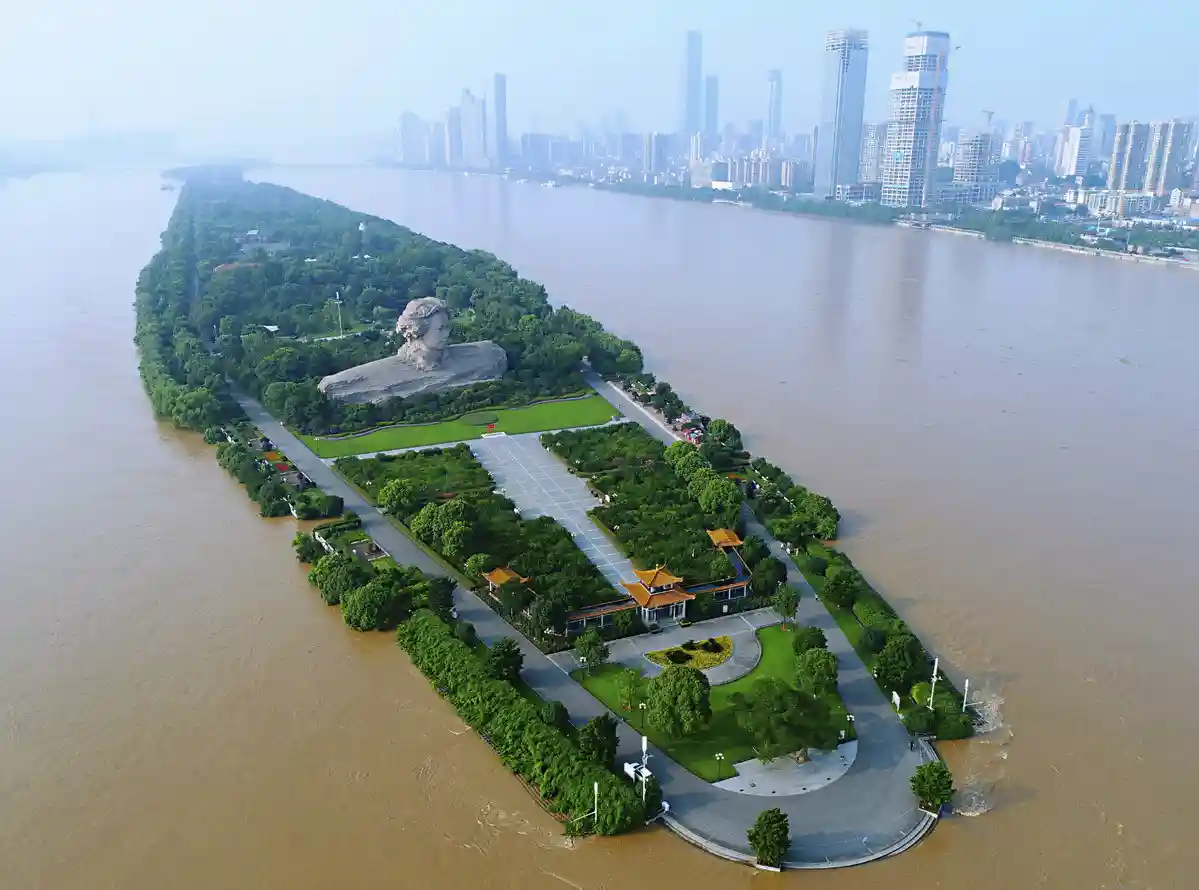
In a significant incident that underscores the vulnerabilities of the tourism sector to extreme weather, Orange Isle in Changsha, China, was forced to close due to heavy rainfall. This closure not only disrupted one of the region’s top attractions but also highlighted the urgent need for enhanced weather forecasting and operational planning within the tourism industry. Local businesses and operators faced considerable financial repercussions as a result of this shutdown, illustrating the necessity for a more resilient tourism infrastructure in the face of unpredictable climatic events.
The recent closure of Orange Isle, known for its scenic beauty and cultural significance, serves as a stark reminder of how extreme weather can impact travel plans and local economies. During the heavy downpour, the miniature train operating at the site opened its doors to provide shelter for visitors caught in the rain, an act of kindness that quickly went viral on social media. The response from staff members showcased not only their commitment to visitor safety but also reflected what many referred to as “Changsha’s warmth.” While this gesture was heartwarming, it raised critical questions about the resilience of tourism infrastructure and the broader implications for the industry moving forward.
As significant financial losses ensued for tour operators and associated businesses, the incident illuminated the pressing need for better weather forecasting integration into operational strategies. It is essential for outdoor attractions and tourism services to leverage accurate weather data to manage disaster risk effectively. In addition, government support mechanisms must be established to aid businesses in navigating such interruptions, thereby alleviating the burden of weather-related closures.
The Orange Isle incident also emphasizes the necessity for robust infrastructure within the tourism sector. With climate change leading to more frequent and intense weather events, the ability of tourism infrastructure to endure these challenges will play a crucial role in determining its long-term sustainability. Investments in climate-resilient structures are vital for popular tourist destinations, which may increasingly find themselves vulnerable to natural calamities without proper preparation.
Local authorities responded swiftly to the Orange Isle situation, showcasing their disaster response protocols’ effectiveness. Their quick actions minimized potential harm to both visitors and the community, yet they also prompted a deeper examination of public safety regulations at tourist sites during adverse weather conditions. This incident could catalyze a review of existing policies governing operations in extreme weather, potentially leading to stricter safety guidelines.
Considerations might include mandatory insurance coverage for weather-related disruptions and comprehensive emergency response plans to ensure public safety during unexpected events. The staff’s initiative to implement the miniature train’s “rain shelter mode” allowed pedestrians without tickets to seek refuge from the downpour, exemplifying a proactive approach to visitor care during emergencies. Public appreciation for these actions further solidified the site’s reputation, demonstrating how thoughtful responses to crises can enhance a destination’s image.
The positive public reaction to the Orange Isle incident highlights how compassion and responsibility can significantly impact a tourism destination’s perception. Such moments of empathy not only improve reputations but also fortify community bonds, illustrating how tourism can intertwine with human kindness and resilience. The event serves as a microcosm of the global tourism industry’s challenges as it adapts to climate change realities.
With the increasing frequency of extreme weather events, the tourism sector must rethink its strategies for disaster preparedness, infrastructure development, and customer service. While destinations will always face the unpredictability of nature, resilience—both in infrastructure and human action—will be pivotal for ensuring sustainable tourism practices in the future.
The Orange Isle’s closure underscores the risks inherent in the tourism industry regarding environmental disruptions, emphasizing the need for enhanced resilience in operational planning. As climate change continues to intensify, the tourism industry must lead the way in creating not just resilient infrastructure, but also proactive scenario planning, professionalism in response, customer service, and safety measures.
The unfortunate circumstances surrounding the Orange Isle incident serve as a clarion call for the integration of climate resilience practices and policies into the future of tourism development. Destinations must prepare adequately for a climate that can no longer be assumed to follow predictable patterns, ensuring that the tourism sector remains viable and capable of thriving in the face of environmental challenges.