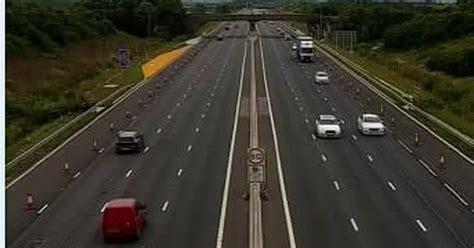
The closure of the M1 northbound between Milton Keynes and Northampton has raised significant concerns for local travel and tourism, particularly following a serious collision that occurred on July 24, 2025. This vital motorway is one of the UK’s primary routes connecting the Midlands with London, and any disruption along this corridor can have far-reaching consequences. The implications of such closures extend beyond mere inconvenience; they reverberate through local economies and can deter potential visitors.
The M1 Motorway is not only a crucial thoroughfare for commuters and freight but also serves as a lifeline for leisure and tourism. Milton Keynes, with its modern infrastructure and unique attractions, draws visitors for its shopping experiences, cultural events, and architectural marvels. Meanwhile, Northampton, renowned for its rich shoemaking history and beautiful countryside, attracts tourists looking for both heritage and natural beauty. Therefore, the closure of this key route disrupts access to these cities and significantly impacts their appeal to tourists.
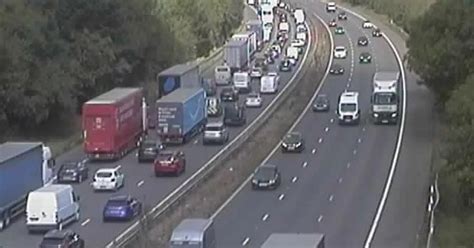
With the M1 closed, heavy congestion is anticipated, leading to increased travel times and frustration among both locals and tourists. The situation is exacerbated during peak travel periods, which coincide with summer holidays and local events. Tourists who had planned trips to attractions like Bletchley Park in Milton Keynes or the Royal & Derngate Theatre in Northampton may find themselves rerouted or delayed, dampening their overall experience. Local businesses that rely heavily on foot traffic, such as restaurants and shops, are likely to see a decline in patronage, further straining the economic landscape of the region.
The ripple effects of this closure can be profound. Events that typically draw crowds, such as Northampton’s annual arts festivals and the vibrant offerings at Milton Keynes’ Xscape, may suffer from decreased attendance as potential visitors reconsider their plans amidst travel disruptions. The increase in travel time and the complexity of detours could lead many to opt for more accessible destinations, undermining the local tourism industry.
As travelers increasingly turn to digital platforms for real-time updates on traffic conditions, some may find solace in GPS navigation apps that suggest alternative routes. However, this reliance on technology does not eliminate the challenges faced by out-of-town travelers who may struggle to navigate unfamiliar roads. Additionally, public transportation systems will likely experience increased demand as displaced motorists seek alternatives, leading to additional delays and complications.
It is crucial for local authorities and tourism operators to respond proactively to these disruptions. Clear communication regarding transport delays and the provision of flexible booking options can help mitigate customer dissatisfaction. Hotels and tour operators should be prepared to offer rescheduling options or promote alternative modes of transport, such as trains or shuttles, to assist visitors in navigating the chaos.
Looking ahead, the long-term effects of the M1 closure on tourism in the Milton Keynes and Northampton areas will hinge on the duration of the disruption and the effectiveness of the local response. Prolonged closures could lead to a decrease in repeat visits and hinder overall tourism growth. Visitors may begin to perceive the region as less accessible, particularly if traffic disruptions become a recurrent theme.
In the wake of such incidents, there may be a renewed emphasis on enhancing the infrastructure supporting tourism in the UK. Local governments and stakeholders might consider investing in improved public transport options and developing contingency plans to better manage future disruptions. This proactive approach could foster greater resilience within the tourism sector, ensuring that cities like Milton Keynes and Northampton remain attractive destinations despite unforeseen challenges.
The recent closure of the M1 serves as a stark reminder of the fragility of transportation networks and their critical role in supporting local economies. For regions heavily reliant on tourism, it is imperative to develop strategies that minimize disruption and facilitate continued access for visitors. This incident highlights the importance of effective planning and communication in maintaining the region’s reputation as a vibrant tourist destination.
In conclusion, the M1 northbound closure between Milton Keynes and Northampton poses significant challenges for local tourism and travel. While immediate impacts are evident, the long-term consequences will depend on how effectively local authorities and tourism businesses adapt to the situation. By prioritizing communication, flexibility, and infrastructure improvements, the region can enhance its resilience and continue to attract visitors even in the face of adversity.