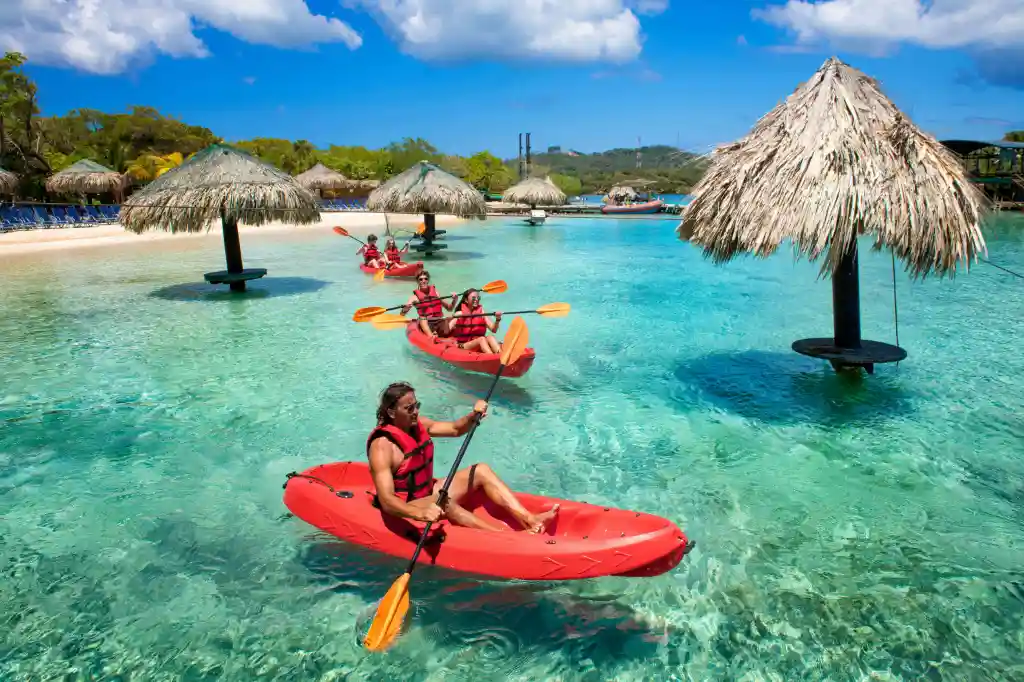
The Caribbean is a region of extraordinary cultural diversity, unrivaled beauty, and complex histories. Yet, many travelers unknowingly undermine their own experiences—and offend locals—by making simple, avoidable mistakes. If you’re planning a visit to this tropical paradise, understanding these cultural missteps is not only a sign of respect, but a pathway to a richer, more authentic journey. Locals notice those who make an effort, and they remember those who don’t.
From misguided assumptions to inappropriate behavior, here are the nine most critical tourist errors you must avoid if you want to earn local respect and create a positive, lasting impact.
Misjudging the Caribbean as One Monolithic Culture
Treating the Caribbean as a single cultural entity is a fundamental error. Each island has a distinct identity, rooted in its own language, history, cuisine, and traditions. Dominica and the Dominican Republic are not interchangeable. Trinidad’s soca beats differ greatly from Jamaica’s reggae rhythms. Haiti speaks Haitian Creole, while Curaçao’s residents speak Papiamento. Assuming the region operates under one cultural umbrella is not only incorrect—it’s offensive.
Respect begins with recognition. By learning the unique aspects of each island before you arrive, you signal that you’re there to experience—not just consume—the culture.

Disrespecting Local Currency and Financial Norms
Tourists frequently assume that U.S. dollars or euros are the universal standard in the Caribbean. While many establishments accept them, defaulting to foreign currency can seem dismissive of local economic sovereignty. It can also harm small vendors who receive unfavorable exchange rates.
Using local currency such as the Jamaican Dollar, East Caribbean Dollar, or Barbadian Dollar demonstrates cultural sensitivity. You not only get better prices but also show locals that you value their financial systems and daily reality.
Wearing Beach Attire Outside the Beach Zone
Sun, sand, and sea do not justify wearing bikinis and trunks in supermarkets, restaurants, or buses. This is one of the most commonly violated social codes in the Caribbean. Many locals view it as inappropriate, and in some islands, entering public places half-dressed is frowned upon or even illegal.
Pack a light cover-up or shirt, and wear appropriate clothing when you step off the beach. Respecting public dress norms shows awareness and maturity.
Assuming Locals Are Staff Members
This issue is particularly damaging and rooted in harmful stereotypes. Just because someone is Black or brown does not mean they work at your resort. The Caribbean is home to millions of professionals, artists, activists, entrepreneurs, and families.
Approaching every local as if they are employed to serve you is demeaning and racially offensive. Always engage people respectfully, regardless of setting. A simple “hello” or “good day” can set the tone for a genuine interaction.
Aggressively Haggling with Local Vendors
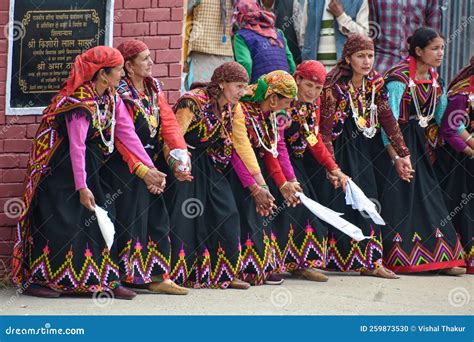
Haggling is part of the market experience, but pushing too hard disrespects the craftsmanship and livelihood of local artisans. Handmade jewelry, woven baskets, and organic spices are not mass-produced goods. Bargaining should be respectful, not combative.
When you haggle aggressively, you’re not just arguing over dollars—you’re undervaluing someone’s labor and heritage. Pay fairly, and you’ll often receive more than just a product: a smile, a story, or even a new friendship.
Mocking or Complaining About “Island Time”
In the Caribbean, time is relational—not transactional. The pace may be slower, but it’s deeply connected to values like community, balance, and mental wellness. Tourists expecting clockwork efficiency can come off as rude or entitled when they grumble about service speed or transportation delays.
Instead of battling the flow, embrace it. Island time offers a chance to de-stress, reconnect, and absorb the environment in a way that rushed itineraries simply can’t allow. Remember, you’re not in Manhattan.
Snubbing Local Cuisine in Favor of Global Chains
Opting for hamburgers and pizza at an all-inclusive resort might be convenient—but it’s also a missed opportunity. Caribbean food is rich with historical and cultural fusion, from African to Indian, Indigenous to European influences. Dishes like callaloo, jerk chicken, roti, and flying fish tell stories of resilience, adaptation, and pride.
Eating local isn’t just about flavor. It supports farmers, chefs, and small businesses. It invites cultural immersion. And it often tastes better than anything you’ll find in a tourist buffet line.

Photographing Locals Without Consent
The Caribbean is full of postcard-worthy moments—but not all of them are yours to capture. Taking photos of people, especially elders, religious ceremonies, or rural villagers without permission, is deeply intrusive. In some communities, it’s not just rude—it’s taboo.
Always ask before taking someone’s photo. Most locals will happily oblige, especially if you show interest in their story. A respectful conversation can turn a snapshot into a cherished memory.
Making Negative Comments About the Region
Saying things like “This place is cute but poor” or “I could never live here” might sound casual, but they reveal condescension and ignorance. These are not just vacation destinations—they are homes, histories, and heartlands to those who live there.
Your job as a guest is to appreciate, not critique. The Caribbean has its share of challenges, but also enormous beauty, strength, and pride. By speaking with respect, you elevate your presence and the reputation of all tourists who come after you.
The Path to Authentic, Respectful Caribbean Travel
True travel is about connection—not conquest. The most meaningful journeys occur when you abandon entitlement and approach each destination as a student, not a consumer. The Caribbean is not a backdrop for your vacation photos. It’s a living, breathing network of cultures, each worthy of your full attention.
Be the traveler who learns a few Creole phrases, who tips the band playing in the corner, who buys art from a local painter instead of a gift shop chain. These gestures build bridges. They leave impressions.

Conclusion: Travel with Purpose, Leave with Respect
Avoiding these common missteps in the Caribbean is about more than etiquette—it’s about humanity, humility, and honor. Every time you step off a plane onto an island, you’re entering someone else’s cultural sanctuary. How you behave echoes long after you leave.
By respecting local customs, using local currency, dressing appropriately, and honoring people’s space and dignity, you don’t just enhance your travel impact—you earn trust. You build bridges. You become part of a shared story that transcends borders.
So go—explore the Caribbean. But go with curiosity, with grace, and with an open heart. The region has more than beaches waiting for you. It has soul.