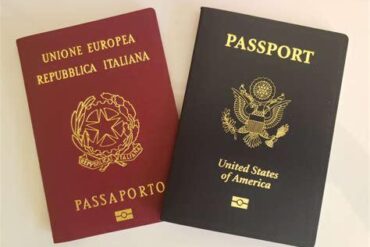
Planning your next getaway? Before you start packing your bags, there’s one crucial task you can’t overlook: checking your passport. Brits are being urged to thoroughly inspect their passports at least three weeks before departure to avoid the disappointment of being turned away at the airport. Damaged or worn-out passports may not be accepted, and travelers could face delays or denied boarding. Here’s why it’s essential to check your passport early, how to renew it, and how to avoid any last-minute hiccups.
Why Your Passport Matters More Than Ever
A passport is more than just a travel document—it’s your ticket to explore the world. However, what happens if your passport is damaged? The HM Passport Office has clear guidelines on what constitutes damage. Any rips, stains, or missing pages could render your passport unfit for travel. To avoid being caught off guard, it’s important to check your passport well ahead of time. Even minor issues can prevent you from boarding your flight or entering your destination. Government advice is clear: “If your passport is damaged, you must replace it,” and that could mean applying for a new one.
What Counts as a Damaged Passport?
Your passport can be considered damaged for a variety of reasons. Here’s what to look out for:
- Unreadable details – If any of the information on your passport is blurred or illegible.
- Rips or missing pages – Even a small tear or a missing page can make your passport invalid.
- Holes or cuts – Damage to the cover, pages, or binding can make the passport unusable.
- Stains – Ink or water stains can make the pages appear damaged, even if the passport is otherwise intact.
If any of these issues apply, it’s time to replace your passport. You’ll need to allow for processing time, which is why it’s vital to plan ahead.
Time to Renew: Apply Early to Avoid Stress
Passport renewal can take time, and last-minute applications can cause unnecessary stress. The UK government advises submitting your application at least three weeks before your planned trip. This gives enough time for processing, especially if your passport needs to be urgently replaced.
How to Renew Your Passport
There are two primary ways to renew your passport: online or by post. Both have their own advantages and timeframes, so choosing the right method for your situation is essential.
Online Applications: The Fast Track
The easiest and quickest way to renew your passport is online. Here’s what you’ll need:
- A digital photo that meets the requirements.
- Valid payment (credit or debit card).
- Your current passport if you’re renewing.
Online applications usually take about three weeks, but the processing time can be longer if additional documents or information are required. If you’re in a hurry, you can opt for fast-track services.
Postal Applications: The Traditional Route
If you prefer the traditional method, you can apply by post. You’ll need:
- A completed application form (available at your local Post Office).
- Two passport photos.
- The correct fee.
While this method may take longer than online applications, the Post Office offers assistance to help ensure everything is completed correctly.
Fast-Track and Premium Services: Urgent Passport Renewal
For travelers who need their passport urgently, the UK government offers two premium services:
- One-Day Premium Service: Get your passport in just one day for £222 (or £235 for a 54-page frequent traveler passport).
- One-Week Fast-Track Service: If you need a bit more time, this option allows you to receive your passport in one week for £178 (£191 for a 54-page frequent traveler passport).
These services can be a lifesaver if you’ve left your passport check until the last minute.
Don’t Risk Your Travel Plans: Check Early
The reality is that traveling with a damaged passport can derail your plans in an instant. A simple check can ensure that your passport is in good condition and save you from the stress of last-minute issues. Whether you’re planning a beach vacation or a city break, the last thing you want is to be turned away at the airport because your passport isn’t up to scratch.
Be Proactive: Inspect Your Passport Early
Checking your passport early doesn’t just help avoid travel delays—it also ensures that you have plenty of time to deal with any issues that arise. Taking care of your passport now means fewer headaches later, especially when it comes to urgent repairs or renewals.