Christina Finn and her husband Cameron found themselves stranded at London Stansted Airport, denied boarding on a Ryanair flight to Dublin, and left scrambling to find an alternative way home with their five-month-old baby who required regular medication. What was meant to be a short weekend trip turned into a costly and deeply distressing ordeal, raising critical questions about airline policy enforcement, UK-Ireland travel regulations, and the discretionary power of low-cost carriers.
Christina, speaking to BelfastLive, described how the family had flown from Belfast to London for a BBC-related event, planning to return via Dublin and then take a bus home—an economical travel route they’d taken many times. However, this time, their experience with Ryanair’s check-in and documentation protocol became a bureaucratic nightmare.
A Sick Baby, a Broken System, and an Airline Fee
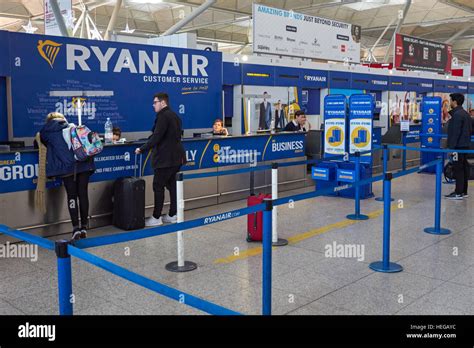
The couple initially encountered issues when they were unable to check in online for their return flight. Christina assumed it was a glitch with her phone, but when they arrived at Stansted Airport, Ryanair staff informed them that they would need to check in at the desk—a service that comes with a £55 per person fee. Already feeling the strain of traveling with a sick infant, the couple reluctantly paid the fine, believing the worst was behind them.
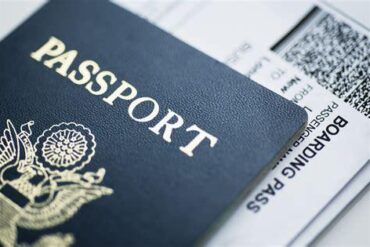
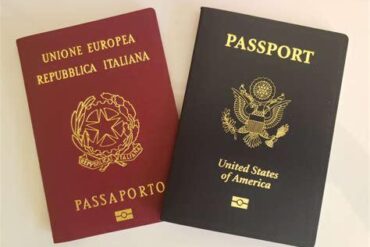
What followed was a confrontation rooted in apparent misunderstanding of travel regulations between the UK and Ireland. Despite presenting expired passports—an Irish one for Cameron and a British one for Christina—the couple explained that they had flown into London using their driving licenses without issue. Yet Ryanair staff at Stansted insisted that Christina, as a British passport holder with an expired document, would need a visa to fly into Dublin because it was in the EU.
The Common Travel Area: Misinterpreted or Ignored?
The situation escalated when the couple invoked the Common Travel Area (CTA) agreement, which allows unrestricted travel for British and Irish citizens between the two nations. Christina tried to explain to Ryanair that, as residents of Northern Ireland, they were well within their rights to fly into the Republic of Ireland without a valid passport or visa, as long as they could verify identity through other means, such as a driving license.
However, a Ryanair staff member, allegedly relying on instructions from an unnamed superior on the phone, doubled down: letting Christina board could result in a fine of up to £1,000 for the airline if she were stopped at Dublin immigration. The couple was told that unless they could show proof of onward travel to Belfast and provide valid passports, they would be refused boarding.
A £490 Ultimatum
With no other choice, the couple claims they were offered an alternative: book new tickets directly to Belfast for £490. Desperate and stressed, they borrowed the money from Christina’s mother and secured the new tickets. Meanwhile, Christina’s mother also pulled up official UK Government travel guidelines, which clearly stated that no passport or visa is required for travel between the UK and Ireland for citizens of either country.
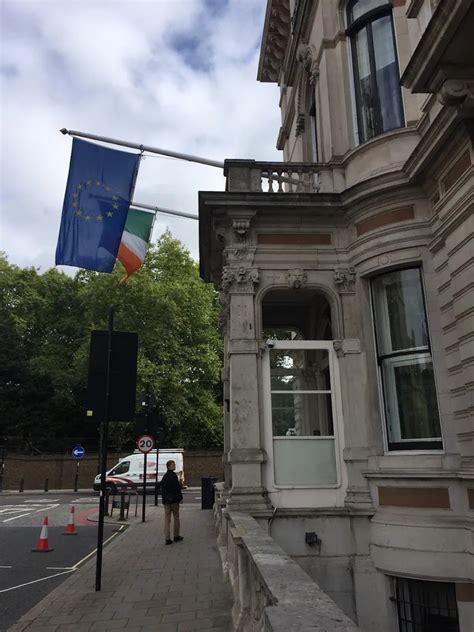
To further confirm this, Christina called the British Embassy in Dublin, which directed her to the Irish Embassy in London. A woman at the Irish Embassy, according to Christina, was “horrified” by the situation and confirmed that Ryanair was wrong in asserting that a visa or valid passport was necessary for such a journey. Nonetheless, she added a caveat: airlines may impose their own policies, even if those contradict state-level agreements.
Airline Autonomy vs. Government Policy
This case highlights the often ambiguous relationship between airline terms and conditions and national or bilateral travel agreements. While governments may permit travel under relaxed conditions like the CTA, private airlines such as Ryanair can enforce stricter documentation requirements. In its official statement, Ryanair defended its actions:
“These passengers failed to check in online… and were correctly denied boarding… as these passengers’ passports had expired.”
According to Ryanair, their Terms & Conditions—which travelers accept upon booking—require all passengers flying between the UK and Ireland to carry a valid passport. The airline emphasized that this is not merely a preference but a documented requirement visible during the booking process.
Public Outcry and a Feeling of Injustice
Despite the technical correctness of Ryanair’s policy, the situation has sparked public outrage, especially on social media platforms where users have called the airline’s handling “inhumane” and “inflexible.” The couple’s key argument is not simply whether they breached policy—but that staff failed to interpret or consider the unique realities of Irish-British travel, especially involving Northern Irish citizens who frequently move between Belfast and Dublin as part of daily life.
Christina also reported that the ordeal made her feel like a “second-class citizen”, a sentiment echoing the wider frustrations of residents in Northern Ireland who often navigate complex identity and documentation issues due to their unique geographic and political positioning post-Brexit.
The Legal and Ethical Implications for Ryanair
From a legal standpoint, Ryanair is likely shielded by its contractual protections embedded in the ticket agreement. Yet from an ethical and customer service perspective, the event raises serious concerns. Airlines operating in geopolitically sensitive regions should arguably invest in more staff training, particularly in border agreements like the Common Travel Area, which are crucial to thousands of passengers every day.
The lack of clear, real-time escalation procedures also exacerbated the problem. Rather than deferring to official governmental guidance or even contacting Irish border authorities, Ryanair staff allegedly chose to follow internal interpretations, resulting in inconvenience, emotional stress, and financial burden for the affected family.
Policy Review and Public Relations Fallout
While Ryanair has not indicated any intention to revise its policies following this incident, public discourse is intensifying. Legal experts suggest that while Ryanair may be within its rights to enforce stricter document requirements, the inconsistent application and lack of transparency in such cases could invite regulatory scrutiny or even civil litigation in specific circumstances.
Moreover, consumer rights advocates are urging regulators to intervene, suggesting that airlines operating across the CTA should be compelled to align more closely with government-endorsed travel frameworks, particularly when those frameworks are intended to foster seamless movement across borders.
In the meantime, Christina and Cameron are left not only with a lighter wallet but with a profound sense of disenfranchisement. For them, this was not just a logistical mishap—it was a moment that starkly illustrated the tension between policy and people, and how, all too often, it’s the latter who bear the cost when the two collide.