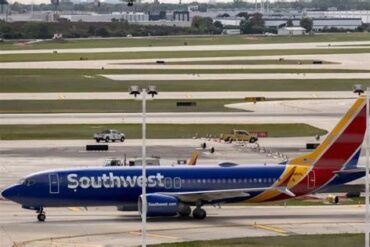
Tammy and Scott Exner boarded Southwest Airlines flight WN2023 on November 13, 2025, expecting a routine return from their celebratory trip to Las Vegas. Instead, what unfolded mid-boarding left the Wisconsin couple in fear, confusion, and disbelief. A chilling encounter with a fellow passenger and what appeared to be a switchblade knife set the stage for an unnerving experience—one that has since raised questions about airline security, in-flight protocols, and how threats are perceived and handled in today’s commercial aviation environment.
Knife Allegedly Seen During Boarding: A Disturbing Discovery
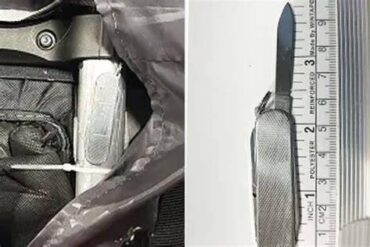
The Exners had just taken their seats aboard the Boeing 737 at Harry Reid International Airport when they heard a passenger placing a bag in the overhead compartment behind them. Tammy Exner instinctively turned to glance and claims to have seen a four-inch switchblade—either in hand or protruding from the passenger’s belongings. Another traveler across the aisle seemed to spot the same object. Their mutual eye contact turned to concern, and that passenger promptly notified a flight attendant.
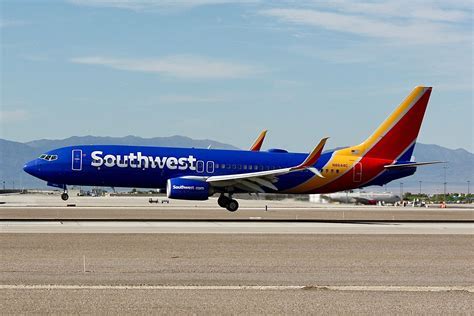
The cabin crew’s response, according to the Exners, was underwhelming. The alleged knife-holder reportedly stated, “I put it back in my bag”. With that vague reassurance, the flight attendant left without apparent confrontation or further verification. While the crew allegedly conferred with pilots and a Southwest Airlines representative onboard, the plane took off as scheduled—no inspection, no removal, and no formal announcement.
In-Flight Anxiety: ‘Am I Going to Get My Throat Cut?’
As the flight continued toward Minneapolis-St. Paul International Airport, Tammy and Scott Exner battled growing panic. “I went into a state of panic… My vision was if I fell asleep, these people behind me knew I reported them, and am I going to get my throat cut?” Tammy later told WSAW. For the remaining hours of the flight, the couple sat tense, fearful of retaliation and stunned by the lack of immediate security intervention.
The plane landed shortly after midnight without further incident, but the emotional toll lingered. By morning, the Exners had filed formal reports with both Southwest Airlines and the Transportation Security Administration (TSA).
Aftermath and Airline Response: Policy vs. Perception
Southwest Airlines eventually reached out to the couple in early December. According to Tammy Exner, the representative stated that the carrier followed protocol and that knives under four inches were allowed onboard—a statement that immediately triggered confusion and scrutiny. The TSA, in contrast, had already launched an investigation in response to the Exners’ complaint.
In an official statement to Simple Flying, Southwest said:
“Southwest Airlines takes all security matters seriously and is looking into the circumstances of this incident. Nothing is more important to Southwest than the Safety of our Customers and Employees.”
Despite that reassurance, Tammy Exner was offered only a $100 travel credit. The couple remains deeply unsettled, not simply by the alleged knife sighting, but by what they perceive as a systemic failure to protect passengers during a potentially volatile situation.
TSA Guidelines: Are Knives Ever Allowed Onboard?
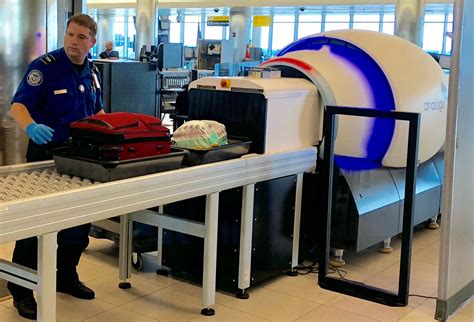
The TSA maintains strict guidelines regarding bladed items. Knives of any kind are generally prohibited in carry-on bags. The only exceptions are plastic cutlery and rounded butter knives without serration or sharp points. These items must be harmless and typically cannot exceed specific length thresholds. While it’s true that some short blades may be permitted in checked luggage, under no circumstance should a switchblade-style knife be allowed inside the cabin.
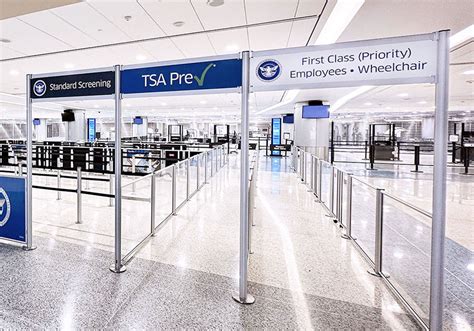
This directly contradicts the reported claim by the Southwest representative that knives under four inches are allowed onboard. In fact, the TSA clearly bans switchblades and similar mechanisms from carry-on luggage, regardless of blade length.
Security Oversight or Policy Gap? The Bigger Picture
What happened aboard flight WN2023 may have been an isolated event, but it highlights potential gaps in enforcement, communication, and crew authority. Airlines typically have internal procedures to escalate issues that involve prohibited items or passenger misconduct. These include reporting to the Flight Deck, consulting with on-ground security teams, and if needed, deplaning passengers before departure. None of these steps, as per the Exners’ account, appeared to have been taken.
There are broader implications. In an era where passengers have been forcibly removed for minor policy breaches, the idea that an alleged weapon went uninvestigated is jarring. The couple’s prior experience only adds to the irony: Scott Exner had been stopped during the outbound leg of their trip for carrying a Swiss Army-style keychain, which TSA confiscated.
Trust in the Skies: Public Reactions and Safety Concerns
Public sentiment has shifted significantly in recent years regarding air travel safety. While airlines and airports have invested heavily in post-9/11 security measures, passenger vigilance continues to play a key role in identifying onboard threats. In this case, it was two passengers—not staff—who noticed the issue. The burden of staying alert now seems to fall increasingly on travelers themselves.
Critics argue that crew members should be better trained in threat assessment and immediate response. The notion that a verbal reassurance from a possibly armed passenger was accepted without verification is unsettling to many. It raises the possibility that standard operating procedures lack consistency or enforcement teeth in situations where crew discretion is heavily relied upon.
Legal and Ethical Questions: Where Do We Draw the Line?
There are also legal ramifications. If a knife was indeed present and went undetected through security, how did it pass through TSA screening at one of the nation’s busiest airports? Was there a lapse in screening? Could the knife have been purchased inside the secure zone? These questions touch on serious security breach concerns that go well beyond the individual flight.
Furthermore, the airline’s response—to offer a travel voucher while asserting that protocols were followed—could be seen as minimizing the severity of the incident. If TSA policy prohibits such weapons, then the airline’s internal rules should align accordingly.
Conclusion: A Wake-Up Call for Aviation Security
For Tammy and Scott Exner, what began as a celebratory return home turned into a night of fear, unease, and doubt in the systems designed to keep air travel safe. Their story reveals an unsettling reality: passenger-reported threats may be quietly overlooked, and discrepancies between airline claims and federal regulations can leave gaping holes in aviation security.
This incident underscores the need for:
- Enhanced training for flight attendants to confidently manage reports of dangerous items.
- Better alignment between TSA regulations and airline internal protocols.
- Transparent follow-up with passengers who report credible threats.
- Clear documentation and enforcement of safety violations, regardless of perceived severity.
Until then, passengers like the Exners will continue to look over their shoulders—not just out of fear of fellow travelers, but of the systemic blind spots that may leave them unprotected above 30,000 feet.