When a woman boarded a long-haul 14-hour flight, she anticipated enduring the journey alongside her partner and his two brothers. But an unexpected last-minute upgrade for the three men to business class left her sitting alone in economy—and left her relationship strained in ways she hadn’t imagined.
As she recounted the incident on Reddit, the emotional toll of being left behind didn’t stem from mere seat discomfort, but rather from what she saw as a deeper sign of neglect and emotional insensitivity.
The Flight That Changed Everything: From Togetherness to Isolation
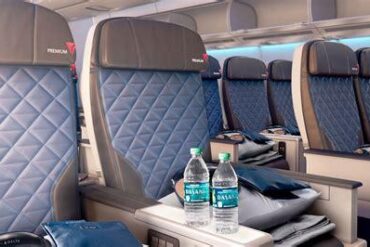
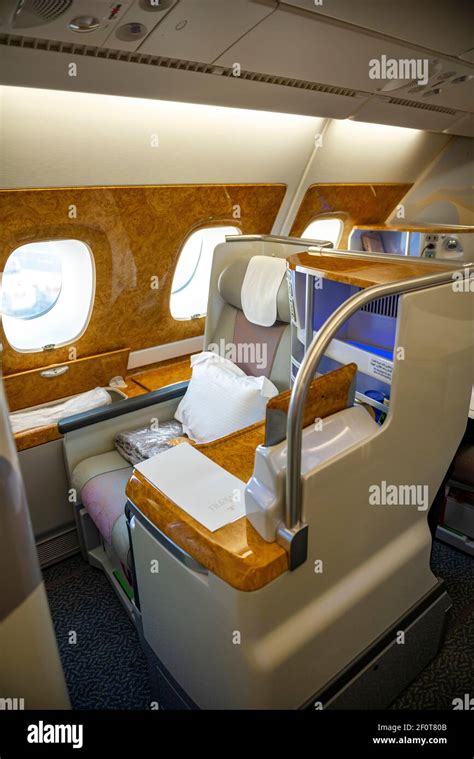
The woman, whose identity remains anonymous, revealed the emotional nuances of a situation that many travelers might overlook. Initially, all four passengers—she, her partner, and his two brothers—had tickets booked in economy. But as fate would have it, an airline agent informed the group that the three men had been randomly upgraded to business class due to availability. Her partner made an attempt to ask if she could be included, but was quickly denied.
At first glance, this might seem like a trivial inconvenience. But the woman had clearly voiced her anxiety and discomfort about flying alone.
“I told my partner I was anxious and didn’t want to sit alone,” she wrote in her post. “He felt bad but didn’t offer to stay with me.”
Though she did not expect any of the men to decline the upgrade, she felt emotionally isolated when not one of them offered to swap seats or even consider splitting the difference. The symbolic gesture of simply staying behind to support her in economy, even if she refused, would have meant the world.
Emotional Fallout at 30,000 Feet
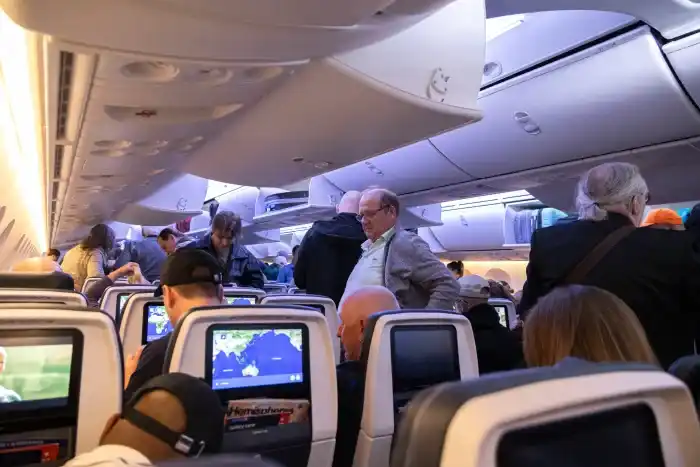
The woman described the next 14 hours as a slow boil of disappointment and resentment. Left alone in the cramped confines of economy class, she couldn’t help but dwell on what she saw as a betrayal.
“I had 14 hours to stew over the fact that my partner didn’t even consider staying with me,” she continued.
In her own words, the gesture—or lack thereof—wasn’t just about a physical upgrade; it reflected her perception of emotional priorities. A partner who knew about her social anxiety had a chance to show understanding and solidarity, but opted for personal comfort instead.
Aftermath and Emotional Debrief: ‘I Never Want to Travel With Him Again’
When the plane touched down and the cabin doors opened, a torrent of unspoken emotions came rushing forward. The woman confronted her partner and made a bold statement: she no longer wanted to travel with him if it meant being left behind.
“Even if he’d offered to stay, I would’ve insisted he take the upgrade, but he didn’t,” she admitted.
This detail becomes critical in the discussion of emotional labor. What she had hoped for wasn’t a rejection of the upgrade itself, but the simple act of choosing empathy over luxury, of showing that her emotional needs came first.
Internet Reactions: Divided But Empathetic
Her Reddit post sparked intense debate. Some readers sympathized with the woman’s emotional plight, pointing out the importance of gestures in relationships that reinforce emotional safety. Others argued that accepting the upgrade wasn’t inherently wrong, especially if it was a rare opportunity.
However, many echoed her core sentiment: the disappointment wasn’t about where he sat, but about how little he acknowledged her discomfort.
“He didn’t even ask if you were okay after boarding?” one user questioned.
“Even offering would’ve gone a long way,” another commented. “You wanted to be considered, not accommodated.”
The Psychology Behind Feeling Left Behind
Clinical psychologists often describe such emotional rifts as manifestations of attachment needs. When people feel vulnerable—especially during experiences like long flights, travel anxiety, or social isolation—the role of a partner shifts. It’s no longer about shared entertainment or logistics, but about psychological co-regulation.
When a partner overlooks that need, it can feel not just inconvenient but profoundly alienating.
“Travel is a high-stress context,” said Dr. Eliza Hammond, a clinical psychologist specializing in relationship dynamics. “Leaving a partner behind, especially after they voice a fear or emotional need, can feel like emotional abandonment. It’s not about the seat—it’s about presence and prioritization.”
What Could Have Been Done Differently?
In hindsight, the solution might seem simple. The partner could have either:
- Offered to stay in economy as a gesture of emotional solidarity
- Taken turns in business class among the four of them, if permitted
- Sat with her during takeoff and landing, then moved to business class later
- Even a sincere conversation before boarding, validating her concerns, might have softened the impact
Instead, silence and separation were her companions for 14 long hours.
Are Certain Boundaries Worth Breaking for Comfort?
This scenario raises broader questions about relationship priorities in moments of luxury. Is accepting a sudden upgrade a reward worth taking at the cost of leaving a loved one behind? Or should intimacy and shared experience always come first?
Relationship experts suggest that in healthy partnerships, decisions should reflect mutual awareness. Comfort matters, yes—but not more than emotional safety. And in moments where both cannot coexist, even symbolic acts of sacrifice can become long-standing markers of care.
Final Thoughts: When a Seat Upgrade Downgrades a Relationship
Though the woman acknowledged her response might have seemed irrational, she pointed to a deeper truth—sometimes emotional validation means being considered even when the outcome won’t change. The gesture, not the sacrifice, is what defines intimacy in many cases.
“I knew I was being irrational and admitted it, but I was genuinely upset,” she wrote.
In that moment, her 14-hour flight transformed from a standard trip to a litmus test of loyalty and empathy. Whether or not others agree with her emotional reaction, the story reveals an all-too-common relational truth: in times of discomfort, what we remember isn’t the seat we had—but the person who chose to sit beside us.