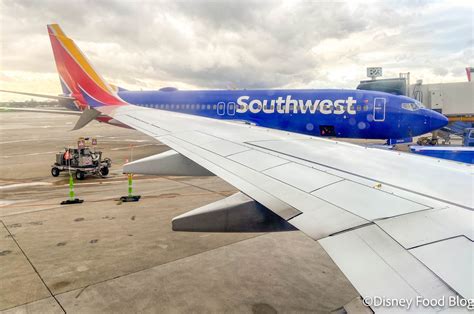
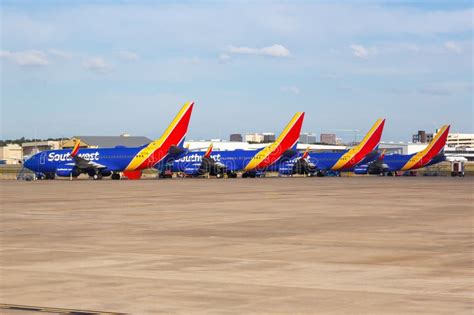
A Tulsa man has been convicted of abusive sexual contact after repeatedly groping a fellow passenger aboard a Southwest Airlines flight to Dallas, an incident that underscores the vulnerability many passengers feel while confined to their seats at 30,000 feet. The conviction, announced by federal officials on June 6, 2025, follows an incident that took place in April 2023 and has drawn significant attention due to its disturbing nature and the alarming details revealed during trial testimony.
William McKelvy, age 65, was found guilty of repeatedly touching a woman without her consent during a commercial flight from Tulsa, Oklahoma to Dallas Love Field Airport. The case was prosecuted in federal court, as in-flight assaults fall under federal jurisdiction, with McKelvy now facing up to three years in federal prison when sentenced on September 8 by U.S. Chief District Judge David C. Godbey.
The incident unfolded with unsettling persistence. McKelvy groped the woman on four separate occasions, despite her clear attempts to rebuff his advances. During the first two incidents, the woman refrained from escalating the situation but took direct action after the second incident, physically pushing him away and issuing a stern verbal warning to “keep his hands to himself.”
But that warning did not deter McKelvy. According to trial testimony, he resumed his inappropriate touching, prompting the woman to feel increasingly cornered and unsafe. Describing her emotional state on the witness stand, the woman said she felt “trapped” and powerless to escape the unwanted advances. She ultimately yelled out, drawing attention from nearby passengers.
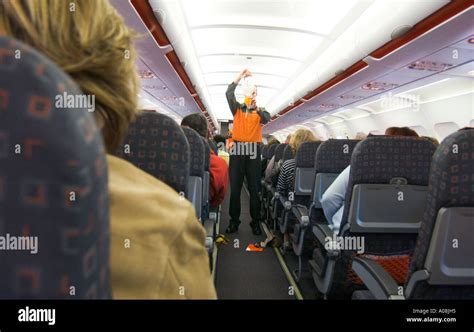
At that point, other passengers intervened, with one alerting a flight attendant to the unfolding situation. The flight crew promptly responded by moving McKelvy to the back of the aircraft for the remainder of the journey. Upon landing at Dallas Love Field, law enforcement was waiting for McKelvy, who was then taken into custody.

Federal officials reported that McKelvy admitted to vaping on the plane, which is also a violation of federal aviation regulations, but minimized his behavior by claiming he had merely “flirted” with a fellow passenger. He denied recalling any groping, citing intoxication due to a combination of alcohol and THC gummies ingested before the flight.
Such excuses failed to hold weight with the court. Prosecutors successfully argued that his actions were not only invasive and unlawful but also deliberate, noting that he continued even after being explicitly told to stop. The conviction sends a powerful message to passengers nationwide that unwanted physical contact aboard commercial flights will not be tolerated.
Federal Crimes in the Sky: Assault Aboard Aircraft
Under U.S. law, any form of sexual assault aboard an aircraft constitutes a federal crime, regardless of whether the plane is in domestic or international airspace. These cases fall under the jurisdiction of the Federal Bureau of Investigation (FBI) and are prosecuted in federal court.
In a statement following the verdict, FBI Dallas Special Agent in Charge R. Joseph Rothrock praised the swift actions of the cabin crew and passengers, calling their involvement instrumental in the apprehension of McKelvy.
“Sexual assault aboard an aircraft is a federal crime investigated by the FBI. It is because of fellow passengers and the flight crew that the defendant was detained and charged for assaulting the victim multiple times,” Rothrock said. “We encourage everyone to be air aware and ask that victims or witnesses report an incident to the flight crew immediately.”

Cabin Safety and the Role of Passengers
This case has reignited discussion around the importance of passenger vigilance and the critical role that flight attendants and fellow travelers play in ensuring safety aboard commercial flights. Although airlines have protocols in place for in-flight disturbances, prompt reporting remains one of the most effective tools in responding to incidents of abuse.
Flight crews are trained to handle a wide range of emergencies, but they rely heavily on passenger reports to initiate action. In McKelvy’s case, the cooperation between the victim and alert bystanders was crucial in not only de-escalating the situation but also in ensuring law enforcement was prepared to respond once the plane landed.
Substance Use and Legal Responsibility
McKelvy’s defense rested in part on his claim that he could not recall his actions due to prior consumption of THC-infused edibles and alcohol. However, legal experts point out that voluntary intoxication is rarely accepted as a valid defense in federal criminal cases, especially when it comes to offenses involving physical harm or abuse of others.
In court, prosecutors argued that his consumption of these substances was both intentional and irresponsible, further aggravating the offense. The court’s dismissal of his memory-loss claim underscores a precedent that individuals remain legally accountable for actions taken under the influence, particularly when those actions endanger or harm others.
Sentencing Ahead: What Comes Next
McKelvy is scheduled to be sentenced on September 8, and while the maximum penalty is three years in federal prison, sentencing guidelines will consider several factors. These may include:
- The severity and repetition of the offense
- The impact on the victim, particularly emotional trauma
- McKelvy’s lack of remorse or responsibility
- Prior criminal history, if any
The Department of Justice has not yet indicated whether it will seek the maximum sentence, but legal analysts suggest that the egregious nature of the repeated contact, especially following explicit warnings to stop, could weigh heavily in sentencing.
Broader Implications for Airline Policies and Passenger Safety
Airlines have long been under pressure to improve safeguards for passengers against harassment and assault. While most carriers, including Southwest Airlines, have procedures for separating disruptive passengers from others, critics argue that more proactive measures may be needed.
This includes:
- Enhanced crew training on responding to sexual harassment
- Clearer communication channels for passengers to report abuse discreetly
- Installing in-flight incident tracking systems to assist in documentation and follow-up
In the wake of this incident, advocacy groups have renewed calls for the Department of Transportation to establish unified guidelines across all carriers to address sexual misconduct with uniform seriousness and transparency.
Conclusion: A Hard Lesson in Accountability
The conviction of William McKelvy serves as a stark reminder of the risks women face even in regulated spaces like airplanes. It highlights the urgent need for zero-tolerance enforcement, passenger awareness, and quick crew intervention when misconduct occurs.
While the upcoming sentencing will bring legal closure, the broader conversation about passenger safety, particularly for women, is far from over. Incidents like this emphasize the need for shared responsibility among passengers, crew, and the airline industry to create safer skies for everyone.