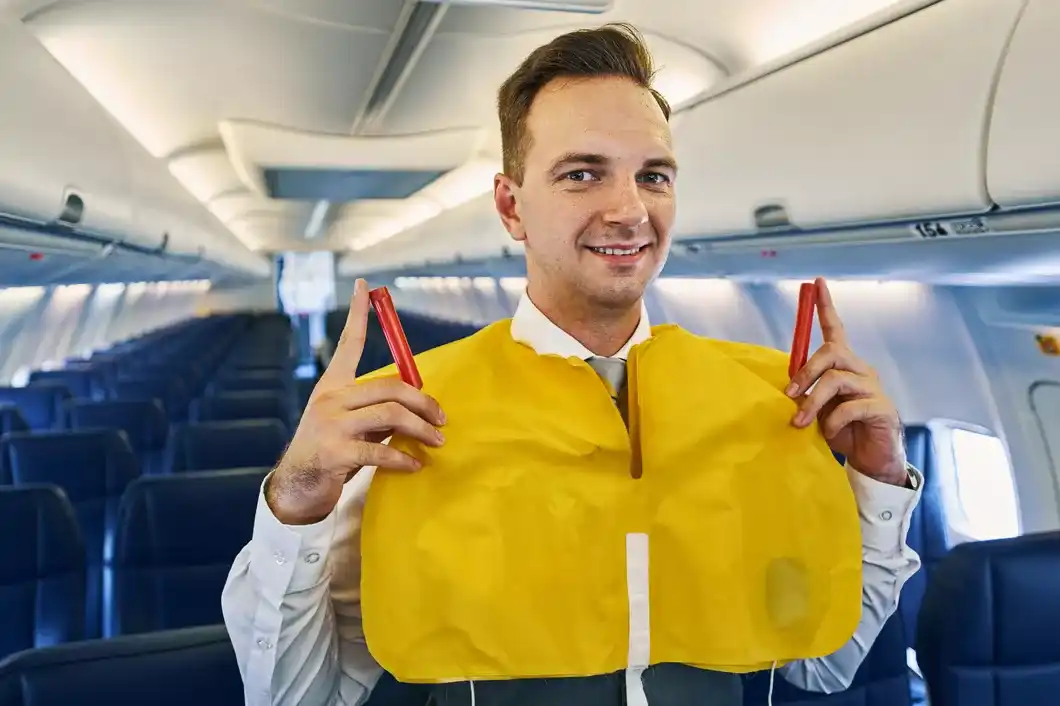
In a shocking case that has stunned both the airline industry and federal authorities, a 35-year-old South Florida man, Tiron Alexander, has been convicted of wire fraud and unlawfully entering protected airport areas after posing as a flight attendant to illegally book over 120 free airline trips. The U.S. Department of Justice (DOJ) confirmed the conviction on June 5, 2025, after a federal jury in the Southern District of Florida delivered a unanimous guilty verdict.
The Intricate Scheme Behind the Free Flights
Alexander’s scheme was both methodical and brazen. From 2018 to 2024, he impersonated a flight attendant across seven major airlines, leveraging insider access to employee-only flight booking systems. These platforms are typically restricted to credentialed airline staff and provide free or highly discounted flights, enabling employees to travel on standby.
To bypass authentication mechanisms, Alexander fabricated detailed employment histories. According to court records, he submitted false data via the employee booking portals, falsely claiming to be a flight attendant or pilot. He generated around 30 fake badge numbers, complete with fabricated dates of hire, positions, and employers. His fake identities were detailed enough to pass through preliminary scrutiny, granting him seamless access to secure airport zones and cabin boarding privileges.
Each successful entry into an airport’s protected area and subsequent boarding further emboldened him. By impersonating a flight attendant, he managed to evade both standard security checks and fare costs, effectively exploiting a loophole that trusted airline staff would not misuse access.
The Role of the TSA and the Investigation’s Breakthrough
The case first came under scrutiny in early 2024, when Transportation Security Administration (TSA) officials noted irregular flight patterns and internal flaggings within several airlines’ employee travel logs. A deeper audit led to suspicions about multiple travel requests linked to inconsistent or unverifiable employee credentials.
After months of cross-referencing internal logs, interviewing airline HR departments, and reviewing surveillance footage, the TSA, in cooperation with the DOJ and airport security units, began tightening the net around Alexander. He was finally apprehended in late 2024 at Fort Lauderdale-Hollywood International Airport, trying to board a flight using a newly created fake ID badge.
The Department of Justice stated that Alexander would face sentencing on August 25, 2025, where he could be imprisoned for up to 30 years, with a likely sentence influenced by the scale, duration, and security risk posed by his fraud.
Legal Charges and Federal Court Findings
The federal jury found Alexander guilty on two serious charges:
- Wire Fraud, due to the fraudulent use of digital systems to obtain services without payment.
- Entering a Secure Area of an Airport Under False Pretenses, a violation that involves impersonation to breach aviation security zones.
Court filings revealed that Alexander had impersonated flight attendants from American Airlines, Delta, United, Spirit, JetBlue, Southwest, and Allegiant, using their portals to book 34 confirmed flights, with many more likely untracked or unreported. His knowledge of the internal processes and documentation required for airline personnel identity checks raised concerns about possible insider assistance or prior employment exposure.
Flight Attendant Privileges and Exploitation of Benefits
Airline crew members often enjoy exclusive travel privileges, including standby boarding on domestic and international routes, access to airport lounges, and heavy discounts on flights, hotels, and car rentals. These benefits are offered through platforms like StaffTraveler or internal portals, safeguarded by stringent HR and IT verification protocols.

Alexander’s exploitation of this system underscores how these platforms, though intended to support hardworking airline staff, can become a vector for abuse when oversight lapses. His ability to convincingly impersonate legitimate flight personnel also highlights potential vulnerabilities in airline HR and identity verification systems, particularly in how credentials are assigned, tracked, and cross-validated.
The Responsibilities of Real Flight Attendants
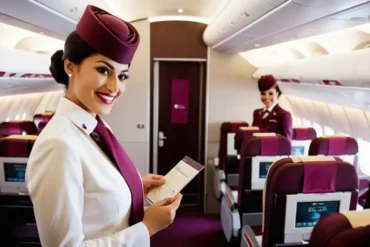
While Alexander faked the role for personal gain, real flight attendants endure grueling hours, unpredictable schedules, and substantial emotional labor to ensure passenger safety and satisfaction. From handling emergencies and pre-flight safety checks to assisting with turbulence, medical situations, and disruptive passengers, their responsibilities go far beyond serving refreshments.
The U.S. Bureau of Labor Statistics reported over 130,000 active flight attendants in 2023, many of whom face rising workplace stress and insufficient compensation. Recent tensions at Air Canada show how contentious FA labor conditions can become. There, an impasse between the airline and the Canadian Union of Public Employees (CUPE) may lead to a strike if no resolution is reached by summer 2025.
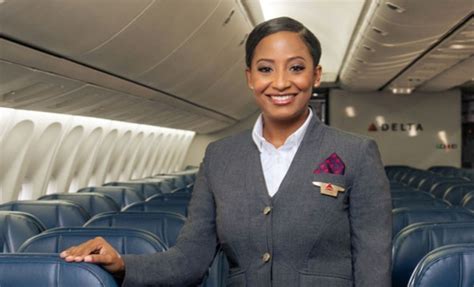
These professionals also undergo rigorous training for evacuations, medical emergencies, and even in-flight security threats, distinguishing their jobs from mere hospitality. It is this trust and access that Alexander manipulated — tarnishing a profession built on passenger care and safety.
Airline Security and Post-Incident Protocols
Following Alexander’s arrest, several airlines and airport authorities have begun reevaluating their internal access systems. Multi-layered security checks, biometric verification, and dynamic ID scanning are being discussed to strengthen identity validation. Some carriers are also exploring blockchain-based credential systems to track badge issuance and real-time employment status.
The case has already prompted policy revisions across multiple airlines, particularly around:
- Employee self-service travel portals
- Third-party identity verification integration
- Improved HR cross-referencing procedures
A spokesperson from one major airline commented anonymously, stating: “This case was a wake-up call. We’ve initiated a full audit of our staff booking systems and badge number validations. There must be zero tolerance for abuse of internal travel privileges.”
A Cautionary Tale: Fraud in the Skies
Alexander’s actions have drawn comparisons to infamous impersonation frauds such as Frank Abagnale Jr., whose escapades inspired the film Catch Me If You Can. Yet, while Abagnale’s crimes spanned check fraud and forged identities in multiple sectors, Alexander targeted a specific weakness within a highly secure, post-9/11 aviation infrastructure.
The broader implications are deeply troubling. If one man could circumvent airport protocols over 120 times without detection, what might this say about insider threat detection and system redundancies? The TSA has pledged to enhance internal audit frequency and increase penalties for unauthorized access through impersonation.
Awaiting Sentencing and the Road Ahead
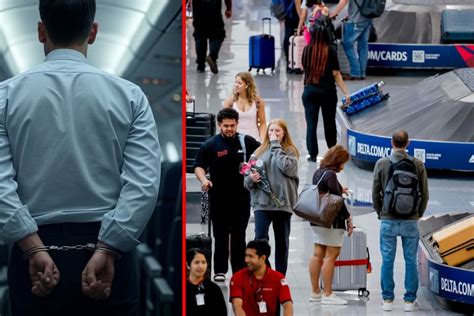
Tiron Alexander, now awaiting sentencing, will likely face years behind bars. His conviction sends a stern warning to would-be fraudsters: tampering with aviation security will not be tolerated. But more importantly, it places a spotlight on the need for technological modernization and inter-departmental coordination within the aviation sector.
Until these systems are fortified with next-generation authentication protocols, there remains a real risk that Alexander’s case could be replicated. The airline industry now faces the dual challenge of preserving employee perks while closing doors to potential exploitation.
As the date of sentencing draws near, federal prosecutors are preparing to argue for the maximum penalty, citing the scale, repetition, and security ramifications of Alexander’s scheme. In the meantime, aviation stakeholders — from major airlines to federal security officials — are reevaluating what it means to protect the skies not just from outside threats, but from within.