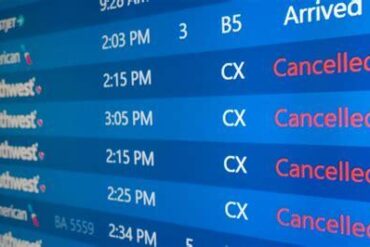
Passengers across North America faced widespread disruption yesterday as more than 120 flights were abruptly cancelled by major airlines including Delta, United, Air Canada, Southwest, Alaska Airlines, and their regional affiliates. The cascading cancellations threw thousands of travelers off schedule, leaving many stranded in terminals or scrambling to find last-minute alternatives during one of the busiest travel seasons of the year.
A Day of Turmoil Across the Skies
According to official reports, 117 flights were cancelled and over 4,000 were delayed within, into, or out of the United States and Canada. The most heavily impacted carrier was United Airlines, which grounded 40 flights—about 1% of its daily schedule—while also recording 442 delays, accounting for nearly 14% of its total operations for the day. Delta Air Lines followed with 17 cancellations and 386 delays, while Southwest Airlines cancelled 13 flights and delayed over 600, impacting a staggering number of passengers traveling through key hubs.
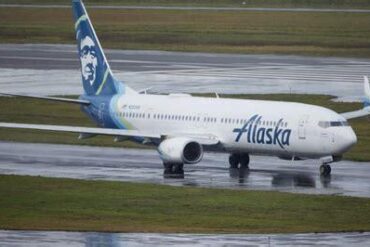
PSA Airlines, operating under the American Eagle banner, cancelled 12 flights and delayed over 150 others, marking one of the highest delay percentages of the day at 21%. Canadian carriers, including Air Canada, Air Canada Rouge, and Porter Airlines, collectively cancelled nine flights and delayed over 145, significantly impacting domestic and cross-border travel. Alaska Airlines also contributed six cancellations and nearly 100 delays, adding to the mounting travel chaos.
Major Airlines Bear the Brunt of the Crisis
United Airlines bore the heaviest brunt of yesterday’s cancellations, impacting key routes from Los Angeles to Newark, Kahului to Chicago, and international flights including Washington Dulles to London. The grounding of widebody aircraft like Boeing 777s and Dreamliners amplified the disruptions, especially for travelers on transatlantic and long-haul itineraries.
Delta Air Lines faced similar struggles, cancelling flights from hubs in Seattle, Detroit, Orlando, and Los Angeles. Though fewer in number than United’s cancellations, the ripple effect across Delta’s hub-and-spoke network left thousands of passengers stranded or rerouted.
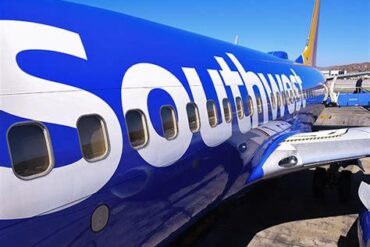
Southwest Airlines, renowned for its point-to-point model, cancelled 13 flights largely concentrated on the West Coast. Key routes in San Diego, San Jose, Phoenix, and Burbank were particularly impacted, frustrating weekend travelers and business commuters alike. Alaska Airlines joined the list, grounding six flights between Portland, Los Angeles, and Dallas, further fragmenting connectivity for travelers along the Pacific corridor.
Canadian Carriers Halt Key Routes
Across the border, Air Canada and its affiliates cancelled flights connecting Calgary, Montreal, and Vancouver, affecting both domestic passengers and those traveling to the U.S. This disruption extended to cross-border routes, straining an already limited pool of available alternatives for Canadian travelers.
Regional affiliates like Porter Airlines and Air Canada Rouge compounded the problem, pulling additional flights from their schedules. These cancellations disrupted not only domestic traffic but also important feeder connections to larger transcontinental flights.
Regional Airlines Intensify the Crisis
While the spotlight remained on larger carriers, regional airlines played a significant role in amplifying the crisis. PSA Airlines, heavily tied to Charlotte Douglas International Airport, cancelled a dozen flights that primarily served mid-size and regional airports across the South and Midwest. SkyWest Airlines and other smaller operators, including JetBlue, WestJet Encore, and Frontier, added isolated cancellations, collectively contributing to the broader breakdown of North America’s air travel system.
Thousands of Travelers Left Stranded
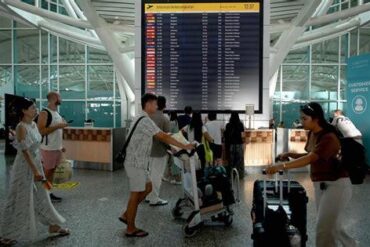
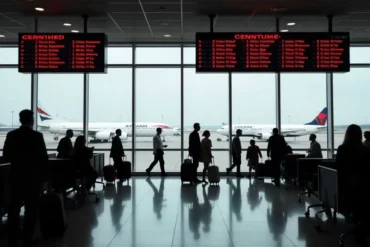
Unlike delays, cancellations present a severe logistical nightmare for passengers. Many travelers found themselves without same-day rebooking options, forcing them to either wait for next-day flights or seek refunds. Social media platforms quickly filled with accounts of overcrowded terminals, long rebooking lines, and hotel shortages. At airports like Chicago O’Hare, Newark Liberty, Vancouver International, and Los Angeles International, the scenes were described as chaotic, with frustrated passengers posting images and videos of the disorder.
Some travelers reported missing milestone events such as weddings, cruises, and business conferences, while others were forced to abandon entire vacation plans. The domino effect of these cancellations disrupted not just point-to-point routes but also complex multi-leg itineraries, affecting travelers far beyond the immediately cancelled flights.
Why Did This Happen?
While airlines have yet to release detailed explanations, industry analysts point to a combination of factors:
- Staffing shortages, particularly among flight crews and ground support teams.
- Aircraft rotation issues, exacerbated by tightly packed summer schedules.
- Unplanned maintenance needs, forcing planes out of service unexpectedly.
- Peak summer congestion, which leaves airlines with little operational flexibility when disruptions occur.
In high-travel months, even a minor spike in operational stress can snowball into widespread cancellations. Analysts note that North America’s air travel infrastructure remains fragile, unable to absorb demand surges or respond effectively to sudden operational challenges.
The Broader Implications for Air Travel
Yesterday’s sharp spike in cancellations serves as a harsh reminder of the system’s fragility. Despite the post-pandemic recovery of commercial aviation, airlines continue to struggle with staffing shortages, aging infrastructure, and thin operational margins. These issues make them highly vulnerable to cascading failures during peak travel periods.
For passengers, the message is clear: reliability is far from guaranteed, especially during the summer travel rush. With over 4,000 delays and 120 cancellations in a single day, the disruptions underscore a pressing need for airlines to invest in scalable operational resilience, from expanding staffing pools to better managing aircraft rotations.
What’s Next for Stranded Passengers?
Many affected passengers were rebooked onto flights departing today, though capacity constraints mean that some may face multi-day delays. Others are opting for refunds or alternate transportation, such as renting cars or switching to rail travel where possible. However, for travelers booked on long-haul or international flights, alternatives remain limited, prolonging their stranding.
Airline representatives have advised passengers to monitor flight status apps, sign up for text alerts, and arrive early at airports to improve their chances of rebooking in case of further disruptions. However, these steps do little to alleviate the broader systemic issues that have left so many travelers in limbo.
Conclusion: A System Under Stress
The mass cancellations affecting Delta, United, Air Canada, Southwest, Alaska, and other carriers illustrate the ongoing fragility of North America’s aviation network. As thousands of travelers face ruined plans, the latest disruptions reignite the debate over how prepared airlines are to handle peak demand and unplanned disruptions. Without significant operational improvements, travelers may continue to face uncertainty in an industry still struggling to regain its footing.
For now, passengers are left navigating a travel landscape where unpredictability is the only constant, a reality that underscores the urgent need for comprehensive solutions to North America’s aviation challenges.