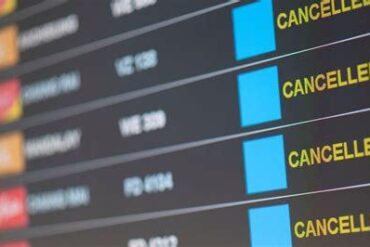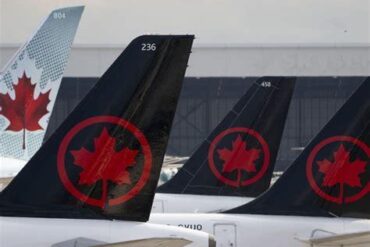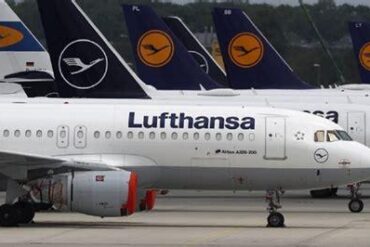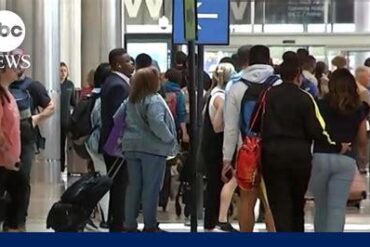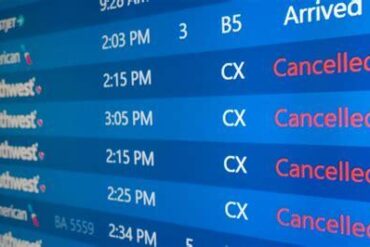
As of July 31, 2025, Canadian air travel has been severely disrupted, with around 40 flights cancelled and numerous others delayed across major airports, including Toronto Pearson International Airport (YYZ), Vancouver International Airport (YVR), and Billy Bishop Toronto City Airport (YTZ). The cancellations affected a wide range of carriers, including Lufthansa, Air Canada, Delta Air Lines, United Airlines, Qantas, Alaska Airlines, British Airways, Aer Lingus, and more, causing widespread frustration among travelers.
Major Cancellations at Toronto Pearson International Airport
Toronto Pearson saw some of the most extensive cancellations, affecting both domestic and international routes. Airlines like Air Canada, Lufthansa, United Airlines, Austrian Airlines, SriLankan Airlines, and British Airways cancelled several flights, particularly those bound for London Heathrow, amplifying the chaos.
International travelers were hit hard, with multiple flights to London Heathrow (AC855, LH6588, UA8203, ET1140, OS8289, UL2855) all cancelled. Additionally, British Airways (BA93) and American Airlines (AA6918) scrapped their scheduled Heathrow-bound services, further compounding the disruption for Europe-bound passengers.
Domestic travel also suffered with Air Canada Jazz cancelling flights to London (Ontario), Halifax, Minneapolis, and Cincinnati, while WestJet and Delta Airlines cancelled multiple flights to Calgary. A planned Air Canada flight to São Paulo (AC91) and an evening service to Los Angeles (AC2192) were also removed from the schedule.
Departures were equally affected. Air Canada’s AC127 from Toronto to Vancouver was cancelled, along with its codeshare flights operated by Aer Lingus, Virgin Australia, and LOT Polish Airlines. Flights to Seattle operated by Alaska Airlines, Hawaiian Airlines, and Air Tahiti Nui faced significant delays.
Vancouver International Airport Delays and Disruptions
At Vancouver International Airport (YVR), while the number of outright cancellations was lower than Toronto, the delays significantly affected international travelers. United Airlines (UA1279) and Air Canada (AC5083) flights to Chicago were delayed late into the night, creating a ripple effect for connecting flights across the U.S.
Flair Airlines (F8840) also faced delays for its scheduled departure to Kitchener-Waterloo, impacting domestic travelers relying on the budget carrier for regional connections. Passengers reported long queues at customer service counters as they scrambled for rebooking options.
Billy Bishop Toronto City Airport: Cancellations Impact Regional Traffic
The usually efficient Billy Bishop Airport (YTZ) experienced notable cancellations, disrupting travel for those flying into downtown Toronto. Porter Airlines flights from Thunder Bay (PD2636) and Newark (PD2132) were cancelled, stranding travelers both domestically and internationally.
The cancellations also extended to British Airways, which axed several European services, including BA751 (Basel), BA901 (Frankfurt), and BA999 (Berlin). Additional services to Brussels (BA393), Dublin (BA827), Luxembourg-Ville (BA417), and New Orleans (BA224) were also removed from the schedule. Aer Lingus EI380 from Shannon and Delta Air Lines DL050 from Salt Lake City were similarly cancelled, creating disruptions for passengers arriving from both Europe and North America.
The Ripple Effect on Passengers
The sudden flight disruptions left many travelers stranded, particularly those relying on international connections. With limited rebooking options available due to peak travel demand, passengers faced extended wait times at airport service desks and struggled to secure alternative flights.
International travelers expressed concerns over missed connections, while domestic passengers were left scrambling to adjust their itineraries. Families, business travelers, and tourists all bore the brunt of the disruption, with many forced to seek overnight accommodations near airports.
Why Are These Cancellations Happening?
While airlines have yet to release full details on the root causes, operational challenges combined with weather-related issues and high summer travel demand appear to have driven the disruptions. Industry experts speculate that crew scheduling shortages and air traffic congestion at key hubs like Toronto Pearson and London Heathrow worsened the situation.
Additionally, international codeshare flights—common between carriers like Air Canada, United, Lufthansa, and British Airways—meant that one airline’s cancellation cascaded to affect multiple partner flights.
What Travelers Should Do Next
For those impacted by these cancellations and delays, staying informed remains the most critical step. Airlines are advising passengers to:
- Check flight status regularly via official airline websites or mobile apps.
- Contact customer service early to explore rebooking or refund options.
- Consider alternate airports or connections, especially for time-sensitive travel.
- Leverage travel insurance policies, which may cover accommodation and rebooking costs for extended disruptions.
Looking Ahead: Could More Disruptions Follow?
With the busy summer travel season in full swing, analysts warn that further disruptions may be on the horizon. Canadian airports are grappling with increased passenger volumes, ongoing staffing challenges, and global airspace congestion, all of which could lead to additional delays and cancellations in the coming weeks.
Travelers planning trips in August are strongly encouraged to book flexible tickets, arrive early, and have contingency plans for potential disruptions.
Conclusion
The mass flight cancellations across Canada on July 31, 2025, highlight the fragility of the air travel network during peak seasons. With around 40 flights cancelled and dozens more delayed, the impact has been felt by thousands of travelers across Toronto, Vancouver, and Billy Bishop airports. As airlines work to stabilize operations, passengers are advised to remain vigilant, plan ahead, and prepare for possible continued turbulence in their travel plans.