July Fourth 2025 is shaping up as a true testament to American wanderlust, with record‑breaking numbers of travelers seeking both international adventures and domestic escapes. From the misty peaks of Vancouver to the neon glow of New York City’s skyline, this Independence Day holiday is rewriting the travel playbook. As millions across the country prepare to celebrate freedom with fireworks, parades, and family gatherings, they’re also reclaiming the joy of discovery—whether that means crossing a border or cruising down a coastal highway.
International Destinations Shine with Unprecedented Appeal
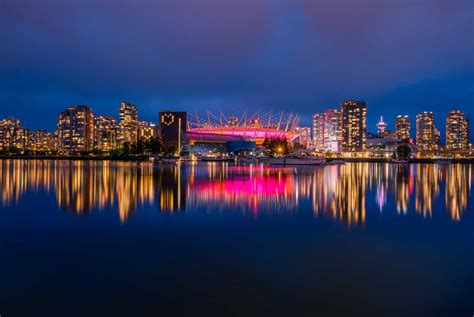
Americans are venturing farther than ever this holiday weekend, and Canada stands atop the list of international hotspots. Vancouver’s fusion of urban sophistication and raw wilderness has captured hearts, offering temperate summer weather—often in the low 70s°F—that provides respite from sweltering U.S. cities. Mountain vistas, sea‑to‑sky gondola rides, and walkable downtown streets lined with art galleries and craft breweries make Canada’s Pacific coast irresistible for both first‑time visitors and seasoned globetrotters.
Just behind Canada, Europe reigns supreme. France leads with Paris as the perennial favorite, where Independence Day travelers can stroll along the Seine under starlit skies, indulge in world‑class art at the Louvre, and savor flaky croissants in sidewalk cafés. Rome claims a close second—its ancient Forum and Colosseum echo stories of empires past as alfresco dinners in Trastevere districts turn into all‑night celebrations. England’s capital, London, magnetizes visitors with its blend of royal pageantry at Buckingham Palace and edgy cultural scenes in Shoreditch, while Dublin’s emerald hills and centuries‑old pubs extend a warm Irish welcome that feels refreshingly laid back.
Italy’s smaller cities, too, are experiencing a surge. Florence’s Renaissance art and Tuscan vineyards beckon those seeking culture beyond Rome, and Venice’s canals—though busy—offer an unmatched romantic allure. Meanwhile, smaller European jewels like Lyon in France or Galway in Ireland are benefiting from travelers eager to escape crowds while still tapping into Old World charm.
Canada: North America’s Cool Refuge
For many Americans, Canada represents the ideal blend of familiarity and novelty. Proximity means short flights from West Coast hubs or the ability to drive across the border in a single day—no passports sometimes required for road trips under the NEXUS program. Vancouver, Toronto, and Montréal top the inbound list, each offering distinct experiences: Vancouver’s outdoor adventures, Toronto’s multicultural food scene, and Montréal’s fusion of French heritage and North American energy. National parks like Banff and Jasper are also seeing upticks in camping reservations as adventurers chase glacier‑fed lakes and wildlife sightings.
Gas prices averaging $3.17 per gallon in the U.S. make cross‑border road trips particularly attractive. Even in states where fuel dips below $2.90, Americans are fueling up and hitting the Trans‑Canada Highway for long weekend escapes that combine city stays with mountain retreats.
France, Italy, England and Ireland: Europe’s Timeless Call
Europe’s allure is deeper than ever. France’s ease of high‑speed train travel, such as the TGV linking Paris to Marseille or Lyon, appeals to those who want to pack multiple cities into one itinerary. The Eurostar from London to Paris continues to sell out, underlining the close ties between two capitals separated only by the Channel Tunnel. Italy’s regional trains—connecting Milan, Florence, Rome, and Naples—remain popular among travelers drawn by pasta making classes, vineyard tours, and coastal drives along the Amalfi Coast.
England’s Heathrow and Gatwick airports report higher inbound bookings from U.S. carriers offering competitive fares, while Ireland’s Aer Lingus has added extra flights to Dublin and Shannon to accommodate surging interest. Dublin’s Temple Bar district is especially vibrant during the holiday, with live music spilling onto cobblestone streets and pubs offering special Independence Day-themed events for American visitors.
Florida and Hawaii: Sunshine, Sand and Spectacle
Domestically, Florida’s beaches and theme parks stand unrivaled. Orlando’s Walt Disney World and Universal Studios unveil special Fourth of July fireworks displays synchronized with state‑of‑the‑art light shows, drawing families in droves. South Beach in Miami hosts pool parties and yacht cruises, while the Florida Keys offer serene hammock‑in‑palm‑tree glory for those seeking a slower pace.
Hawaii remains the tropical dream. Oahu’s Waikiki Beach transforms into a hub of Tiki torch ceremonies, luaus, and beachfront fireworks over Diamond Head. Maui’s Road to Hana sees rental cars from mainland plates winding past waterfalls, while the Island of Hawai‘i (the Big Island) lures eco‑tourists eager to witness lava flows or sunrise atop Mauna Kea. Resorts report occupancy rates near capacity, and charter flights between islands are booked weeks in advance.
Washington and New York: Urban Energy Unmatched
Not every traveler craves sand and surf. Seattle’s combination of Pike Place Market buzz, waterfront ferries, and nearby Cascade mountain day hikes has cemented Washington state as a top domestic choice. Local festivals—complete with food truck rallies and live music—give visitors a chance to mingle with Seattleites celebrating the nation’s birth.
New York City continues to enchant. From the Macy’s Fourth of July fireworks over the East River to the SummerStage concerts in Central Park, the Big Apple’s summer calendar is a magnet for culture‑hungry tourists. Broadway and off‑Broadway shows add an extra draw, with special holiday packages including dinner‑and‑a‑show deals. Despite steeper hotel rates and heavy traffic, Americans pour into Manhattan neighborhoods from Lower East Side lofts to Harlem brownstones, eager to toast freedom in the city that never sleeps.
AAA Forecasts and Transportation Trends
According to AAA, a staggering 72.2 million Americans will travel between June 28 and July 6, eclipsing previous records. Airports brace for 5.84 million flyers—a 1.4% increase over last year—while 61.6 million motorists prepare to drive to destinations near and far. Fuel prices averaging $3.17 per gallon, and even lower in some regions, have emboldened road warriors, making car travel the most popular mode despite warnings of peak‑hour congestion.
Alternative transport is on the rise. Rail, bus, and cruise bookings have climbed 7.4% over last year, with Alaska cruises drawing travelers seeking cooler climates and glacier views. Northeast rail corridors—Boston to New York City, New York to Washington, D.C.—are nearly sold out, as passengers opt for scenic rides over airport hassles. Interior rail routes, like Amtrak’s Coast Starlight between Seattle and Los Angeles, also report surges, catering to those eager for panoramic views without the crowds of major hubs.
Economic Impact and Infrastructure Strains
This travel tsunami injects billions of dollars into hotels, restaurants, attractions, and transportation networks. Major metropolitan areas report near‑capacity hotel occupancy, pushing average nightly rates up by 15–20% compared to non‑holiday periods. Small towns along scenic byways in states like North Carolina and Montana see local businesses—gas stations, diners, B&Bs—experience surges that can make an entire season profitable.
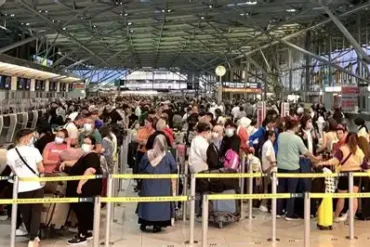
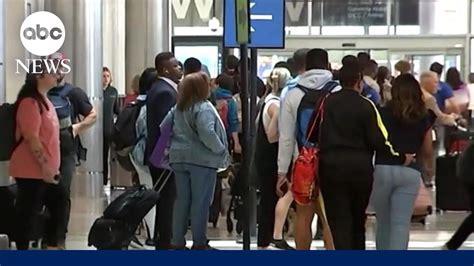
Yet, the boom tests infrastructure. Highways become parking lots during peak afternoon hours, delaying shipments of goods and essential services. Airports, from Charlotte to Los Angeles, extend security wait times beyond 90 minutes despite added staffing. Cruise terminals in Florida and Alaska operate at max capacity, and rail stations deploy extra customer service teams to manage passenger flow.
Traveler Priorities: Flexibility and Peace of Mind
In this post‑pandemic era, flexibility is king. Many Americans book trips just weeks—or even days—ahead, chasing last‑minute deals or adjusting itineraries based on weather forecasts. Airlines report higher use of flexible booking options, and travel insurance purchases have spiked by 25%, reflecting a desire to guard against cancellations, lost luggage, or unexpected health issues.
Mobile apps that consolidate flight alerts, hotel confirmations, and itinerary changes are more popular than ever. Car rental companies offer “cancel anytime” policies, while cruise lines add no‑penalty date changes to shore excursions. Travelers no longer accept rigid schedules; they demand adaptability and reassurance that their Independence Day plans won’t unravel at the first sign of trouble.
Sustainability and the Future of Tourism
The environmental footprint of this travel surge cannot be ignored. Conservationists warn that overcrowded national parks, fragile coastal ecosystems, and city landmarks risk degradation under relentless foot traffic. Destinations from Venice’s canals to Hawaii’s coral reefs enact visitor caps and stricter regulations to preserve natural wonders. Airlines explore sustainable aviation fuels, and rail operators promote low‑emission corridors as greener alternatives to short‑haul flights.
Longer term, industry leaders emphasize the need for infrastructure investment—airport expansions, highway improvements, and public transit upgrades—to accommodate growing demand. Sustainable tourism certifications, eco‑friendly accommodations, and carbon offset programs gain traction as travelers seek guilt‑free adventures.
A Glimpse into Tomorrow’s Travel Landscape
As the Fourth of July fireworks fade, one thing is clear: Americans are more determined than ever to explore the world on their terms. Whether it’s swapping skyscraper skylines for alpine peaks or parades in Washington, D.C., for festivals in Dublin, the call of the open road and far‑flung destinations will continue to resonate.
This holiday’s record‑breaking numbers serve as a wake‑up call for the travel industry to innovate—streamlining security processes, expanding sustainable options, and enhancing digital tools that empower travelers. For destinations, the imperative is to balance economic benefits with environmental stewardship and community well‑being.
In the end, Independence Day 2025 is more than a celebration of freedom—it’s a declaration that Americans refuse to let anything stand between them and their next great adventure. The roads, skies, rails, and seas are open, and a nation of explorers is ready to embark on the journeys that will define the next era of travel.