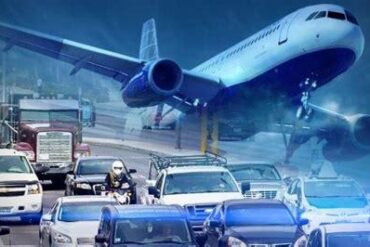
As the sun rises on another Independence Day celebration, Americans from coast to coast are gearing up for what is forecasted to be the busiest road travel period in U.S. history. According to the American Automobile Association (AAA), an unprecedented 61.6 million Americans will be traveling by car during the week of July 4th, marking a new record for holiday travel by automobile. This wave of road trippers signifies a 4.8% increase over last year and a 5.3% jump from pre-pandemic levels in 2019. For many families, the open road has evolved into more than just a means of transportation; it has become a cherished tradition, a chance to reconnect with loved ones, and a powerful symbol of American freedom.
Biggest Car Travel Numbers in U.S. Holiday History
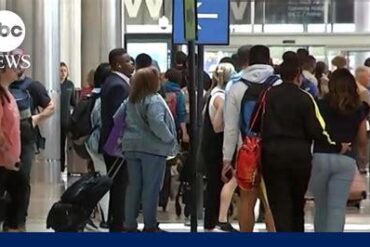
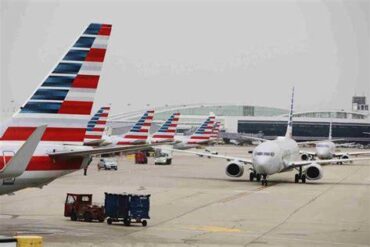
The AAA’s Independence Day forecast, supported by data from INRIX and published in collaboration with the U.S. Department of Transportation, estimates that over 70.9 million Americans will travel 50 miles or more from home during the holiday window between Saturday, June 29, and Sunday, July 7, 2025. Out of this total, 61.6 million will do so by car, setting a remarkable milestone for road-based holiday mobility. Air travel is also anticipated to see an increase, with around 5.7 million travelers expected to take flights, while 3.6 million people will opt for trains, buses, or cruise ships.

Key Reasons Driving the Road Trip Boom
Several factors contribute to the surge in July 4th car travel this year. Firstly, favorable fuel prices play a significant role. According to the U.S. Energy Information Administration, gasoline prices remain relatively stable nationwide, with many states reporting averages below $3.50 per gallon. This affordability allows families to embark on longer journeys without the financial strain typically associated with travel.
Additionally, there is a notable increase in travel confidence among Americans. With pandemic-related concerns largely in the rearview mirror, confidence in domestic travel is at its highest in years. This newfound assurance is reflected in the willingness of families to venture out and explore the vast landscapes of the United States.
Moreover, the expanded electric vehicle infrastructure under the Bipartisan Infrastructure Law has enabled more Americans to feel comfortable taking longer trips in EVs. With the proliferation of charging stations, the transition to sustainable travel has never been easier.
Lastly, the shift towards flexible schedules and remote work arrangements allows many workers to extend their holiday travel over the full week, providing ample opportunity for family adventures.
What to Expect: Peak Travel Times and Traffic Hotspots
According to AAA and INRIX, the busiest travel days will be Wednesday, July 3, and Sunday, July 7. Congestion in major metropolitan areas is anticipated to spike during afternoon and early evening hours. Notable traffic hotspots include:
- Atlanta (I-75 South and I-285 loop)
- Seattle (I-5 North)
- Los Angeles (I-10 and I-405 intersections)
- Chicago (I-90/94 corridor)
- New York City (George Washington Bridge and Holland Tunnel routes)
Drivers in these urban areas could experience delays of up to 67% longer than normal, especially during rush hours. To mitigate these delays, it is advisable to consider alternate routes and plan for early departures.
Most Popular U.S. Destinations for Road Trippers
AAA’s booking data reveals several U.S. destinations emerging as hotspots for Independence Day travelers. These favored locations include:
- Orlando, Florida – Renowned for its fireworks, theme parks, and resorts.
- Las Vegas, Nevada – Hosting large-scale celebrations and shows.
- Virginia Beach, Virginia – A beloved destination for families and coastal enthusiasts.
- Seattle, Washington – Known for scenic drives and vibrant waterfront events.
- Denver, Colorado – Serving as a basecamp for thrilling road trips to national parks.
- Gatlinburg, Tennessee – The gateway to the breathtaking Great Smoky Mountains.
- Boston, Massachusetts – Rich in revolutionary history and cultural experiences.
Government Travel Guidance and Safety Initiatives
In preparation for this record-breaking travel surge, the Federal Highway Administration (FHWA) and the National Highway Traffic Safety Administration (NHTSA) urge travelers to adhere to safe driving practices and stay informed. Important safety reminders include:
- Checking state DOT websites for up-to-date traffic alerts.
- Avoiding drowsy or distracted driving, particularly during nighttime trips.
- Keeping emergency kits, chargers, and water readily available in the vehicle.
- Properly using seat belts and car seats for all passengers.
- Refraining from drinking and driving, as heightened DUI enforcement will be active in many states.
Many states have also announced a temporary suspension of non-emergency road construction between July 3–7 to minimize bottlenecks and enhance road safety for travelers.
Environmental Impact: How to Travel More Sustainably
With over 61 million vehicles expected on the road, environmental experts are raising awareness about the surge in emissions associated with this travel boom. The U.S. Environmental Protection Agency (EPA) recommends several strategies to reduce environmental impact:
- Carpooling whenever possible to decrease the number of vehicles on the road.
- Avoiding unnecessary idling to conserve fuel and reduce emissions.
- Maintaining proper tire pressure to improve fuel efficiency and ensure safe driving conditions.
- Choosing electric vehicles (EVs) or hybrids when available to promote greener travel options.
To support sustainability efforts, the Federal Transit Administration (FTA) and the U.S. Department of Transportation (USDOT) continue to champion green travel programs and the expansion of public EV charging stations, now numbering over 170,000 nationwide as of June 2025.
Infrastructure and Future Travel Planning
Under the Infrastructure Investment and Jobs Act (IIJA), billions are being invested in modernizing America’s roads, bridges, and transportation systems. Travelers this year may notice significant improvements, including:
- Upgraded rest stops that provide enhanced comfort and amenities.
- Improved signage and smart traffic systems designed to alleviate congestion.
- Expanded EV charging corridors along interstates to facilitate longer journeys for electric vehicle owners.
These upgrades aim not only to enhance safety and comfort but also to reduce travel time and carbon emissions for future holiday seasons.
The Road Ahead: An American Tradition in Motion
Independence Day is more than just a date on the calendar; it embodies a celebration of unity, freedom, and family. In 2025, this celebration is mirrored in the unprecedented number of Americans hitting the road to honor the occasion. Whether journeying from Pittsburgh to the Jersey Shore or embarking on a family adventure through the Rockies, every trip contributes to a greater national narrative—one of movement, connection, and liberty. As Secretary of Transportation Pete Buttigieg aptly stated, “This holiday, every mile driven and every memory made is a reminder of the freedoms we cherish. Let’s travel safely, responsibly, and joyfully.” So pack your bags, double-check your GPS, and prepare to join 61.6 million fellow travelers on America’s busiest roads this Fourth of July.