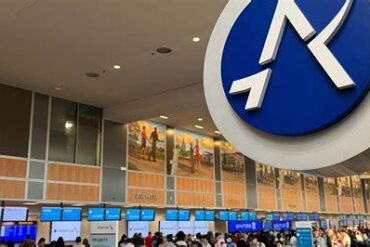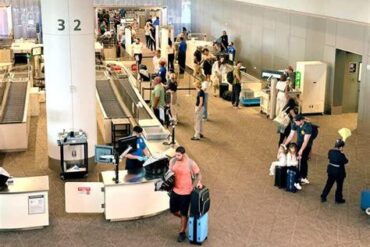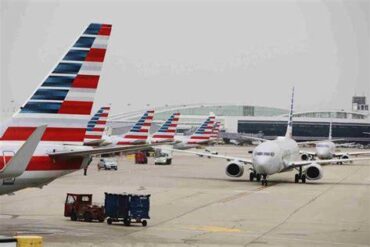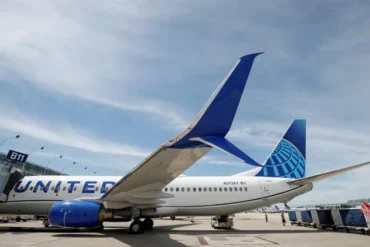
As the 2025 holiday season unfolds, air travel in the United States is set to break records, with the Transportation Security Administration (TSA) preparing to screen a staggering 44.3 million passengers between December 19 and January 4. This marks a dramatic surge from the 39 million travelers screened during the 2024 holiday period, making it the busiest travel season in TSA history.
This surge, while indicative of a robust return to pre-pandemic travel norms and even surpassing them, brings significant logistical challenges for airports, airlines, and security authorities nationwide.
Historic Surge in Passenger Numbers Signals Strong Travel Rebound
The TSA has announced that Sunday, December 28, is forecasted to be the single busiest day of this travel period, with an expected 2.86 million passengers passing through security. Close behind are December 19, 20, 21, 27, and 29, each likely to see well over 2.5 million travelers.
This unprecedented volume reflects not only a pent-up demand for holiday reunions and vacations but also increased confidence in air travel safety and infrastructure. Major airlines are ramping up their operations, while airports are preparing for swelling crowds in terminals.
Adam Stahl, TSA Senior Official Performing the Duties of the Deputy Administrator, emphasized the agency’s readiness, stating:
“TSA expects 2025 to be another record setter following major improvements this year to make airport security more seamless and secure. We continue to enhance the traveler experience by deploying new technologies and procedures.”
Enhanced TSA Operations Aim to Reduce Delays and Frustration
A core focus for the TSA this year has been streamlining the checkpoint experience, addressing longstanding passenger complaints about delays and invasive screening practices.
Among the most impactful changes rolled out in 2025:
- Elimination of the shoe removal requirement, allowing passengers to proceed more quickly through scanners.
- Introduction of family lanes at select airports, designed to accommodate parents traveling with young children and strollers.
- New hospitality-focused campaigns to support holiday travelers and reduce the stress of flying.
Additionally, the TSA has pushed forward its Real ID initiative, now mandating compliant identification for domestic travel. For travelers without a Real ID, a $45 fee permits use of an alternative verification system. TSA PreCheck benefits have also been expanded to include uniformed service members and their families, with new discounts for joint applications.
These innovations are part of a broader strategy to balance security efficiency with passenger satisfaction, aiming to avoid the long lines and missed flights that have plagued past holiday rushes.
Staffing and Tech Infrastructure: Critical Weak Links
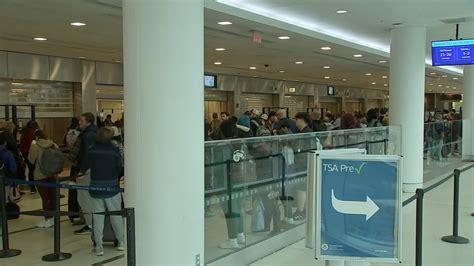
Despite preparations, the sheer scale of the anticipated travel surge is a formidable challenge. TSA staffing levels, already strained in some regions, must be meticulously managed to prevent checkpoint bottlenecks. Even minor glitches in screening systems could ripple across major hubs, delaying hundreds of flights in a single day.
Past years have shown that technical issues with scanning equipment or sudden call-outs from staff due to illness can trigger cascading delays. As such, airports have been advised to have contingency plans and backup staffing arrangements to mitigate potential disruptions.
The Federal Aviation Administration (FAA), working in close coordination with the TSA, also faces intense scrutiny. The air traffic control (ATC) system, plagued by chronic understaffing, is under significant pressure. Any ATC-related delays—especially at high-traffic hubs like Atlanta, Chicago, or New York—could create network-wide impacts, stranding passengers across the country.
Weather: The Unpredictable Wildcard
On top of the operational challenges, weather remains a persistent and unpredictable threat. The Northeast corridor, a densely trafficked airspace, is prone to snowstorms and high winds during the holiday season, increasing the risk of cancellations and last-minute schedule changes.
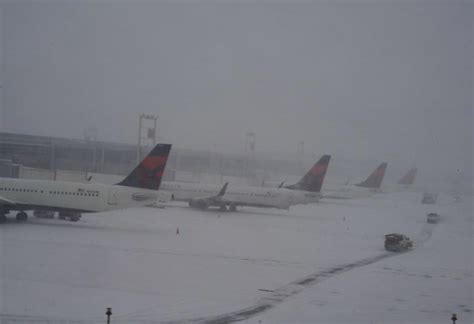
The confluence of record traffic and potentially severe weather means that even minor storm systems could wreak havoc. Airlines have advised passengers to opt for morning flights, which are less likely to be delayed, and to remain flexible with travel plans.
What Travelers Should Expect and Do
Passengers traveling during this historic rush should prepare for longer-than-usual wait times, particularly during peak days. Travel experts and airport authorities recommend the following strategies:
- Arrive at the airport at least 2.5 hours before domestic flights and 3.5 hours for international.
- Enroll in TSA PreCheck or Clear for faster screening.
- Stay updated on flight statuses and weather advisories via airline apps.
- Pack light and follow TSA’s latest carry-on guidelines to avoid hold-ups.
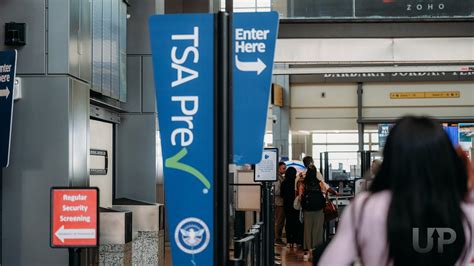
Additionally, passengers should double-check their ID compliance ahead of arriving at the airport and consider having digital backups of travel documents on their mobile devices.
Industry Outlook: A Test of Resilience and Readiness
The 2025 holiday travel surge is not just a logistical event—it’s a stress test for the U.S. air travel system. If successfully navigated, it will mark a major milestone in the resilience and modernization of American airport infrastructure post-COVID.
Airlines and federal agencies alike are keen to demonstrate that they have learned from past disruptions, such as the widespread 2022 airline cancellations and the 2023 FAA system outage. The results of this travel season could influence long-term policy and investment decisions, particularly in ATC modernization and TSA recruitment.
Conclusion: A New Era of Travel Begins
With over 44 million passengers set to take to the skies in just over two weeks, the 2025 holiday season is a defining moment for both travelers and the aviation industry. Thanks to a suite of security improvements and a renewed focus on efficiency, TSA hopes to rise to the occasion. However, the true test will come in the form of real-time responses to inevitable challenges—staffing gaps, tech issues, and winter weather.
Travelers can expect a faster, smoother security experience than in years past, but they should still prepare for the unexpected. Patience, preparation, and flexibility remain the keys to a successful journey during what is shaping up to be the busiest holiday travel season in U.S. history.