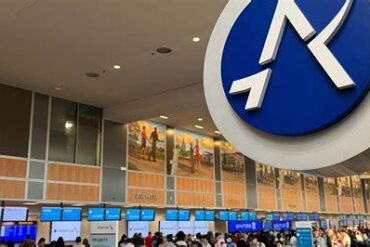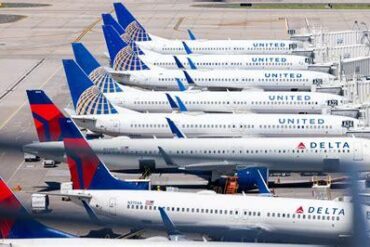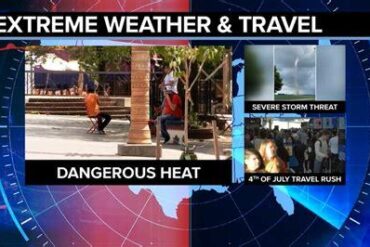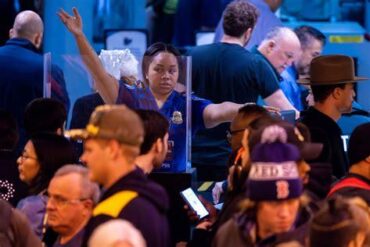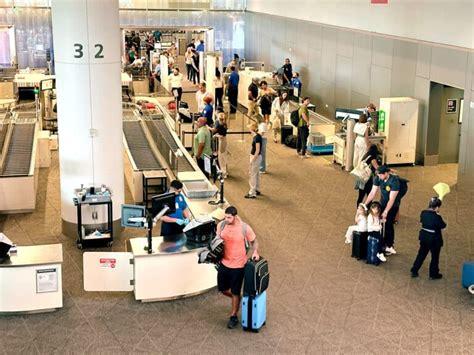
The United States is preparing for one of its busiest air travel periods ever as the Transportation Security Administration (TSA) forecasts that approximately 18.7 million passengers will pass through airport security checkpoints during the upcoming Fourth of July holiday week. Covering the seven-day period from June 30 through July 6, the anticipated surge highlights the extraordinary demand for summer travel and places significant pressure on airports, airlines, and security personnel nationwide.
With millions of Americans planning vacations, family reunions, and holiday getaways, airports across the country are expected to experience exceptionally heavy traffic. The TSA predicts that Thursday, July 2, will emerge as the busiest day of the period, with more than three million travelers expected to undergo security screening. Such figures rank among the highest daily passenger volumes ever recorded in the agency’s history.
The projected numbers underscore the continued resilience of the US aviation sector. Despite operational challenges ranging from weather disruptions to air traffic congestion, Americans continue to demonstrate a strong appetite for travel, particularly during major national holidays.
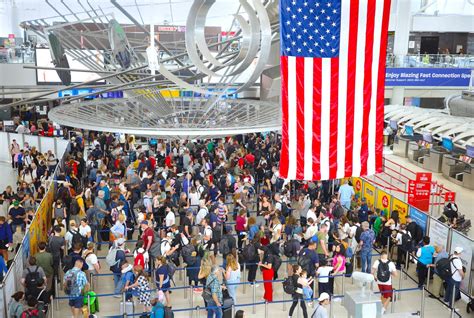
Growing Summer Demand Pushes US Airports Toward Historic Passenger Levels
The Fourth of July holiday has traditionally represented one of the busiest travel periods of the year, but 2026 presents a uniquely challenging environment. In addition to Independence Day celebrations, the nation is simultaneously hosting matches associated with the ongoing FIFA World Cup, while preparations linked to the broader America250 commemorations are also drawing substantial domestic and international travel demand.
These overlapping events have created an unprecedented convergence of travelers. According to TSA estimates, airports will process an average of nearly 2.7 million passengers every day throughout the holiday window. Major hubs serving vacation destinations, international gateways, and World Cup host cities are expected to experience particularly intense passenger flows.
Industry observers note that current travel demand closely mirrors, and in some cases approaches, the record-setting passenger volumes witnessed during recent Thanksgiving and Christmas travel periods. For airports already operating near maximum capacity during the summer season, managing this influx will require precise coordination among airlines, airport authorities, and federal agencies.
Travelers should expect crowded terminals, busy parking facilities, and longer-than-normal wait times during peak departure periods, especially during morning and early afternoon hours.
TSA Expands Staffing and Deploys Advanced Screening Technologies
Recognizing the scale of the anticipated surge, the TSA has implemented extensive preparations designed to maintain both security standards and checkpoint efficiency.
Agency officials report that checkpoints nationwide have been fully staffed, while additional resources have been strategically allocated to airports expected to receive the highest passenger volumes. Specialized personnel, including National Deployment Officers, additional canine teams, and other rapid-response security units, have been positioned to support operations during the holiday rush.
Beyond manpower, the TSA continues to invest heavily in modern screening technologies intended to accelerate passenger processing without compromising security.
Among the most significant enhancements are:
- Advanced imaging technology systems for passenger screening.
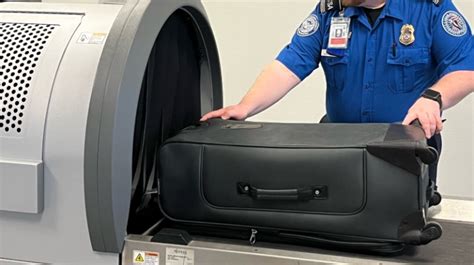
- Computed tomography (CT) scanners capable of generating detailed three-dimensional images of carry-on baggage.
- Expanded automated screening lanes that improve checkpoint throughput.
- Enhanced checkpoint automation designed to reduce bottlenecks during peak travel periods.
These technologies have already been deployed at many of America’s busiest airports and are expected to play a crucial role in minimizing delays throughout the holiday week.
World Cup Security Operations Add Another Layer of Complexity
The ongoing FIFA World Cup has introduced additional security requirements that extend far beyond airport checkpoints. Airports serving the tournament’s host cities are receiving heightened attention as authorities manage elevated levels of domestic and international travel.
TSA Senior Official Performing the Duties of the Administrator Ha Nguyen McNeill emphasized that recent technology upgrades and staffing increases are supporting both routine aviation security and World Cup-related operations.
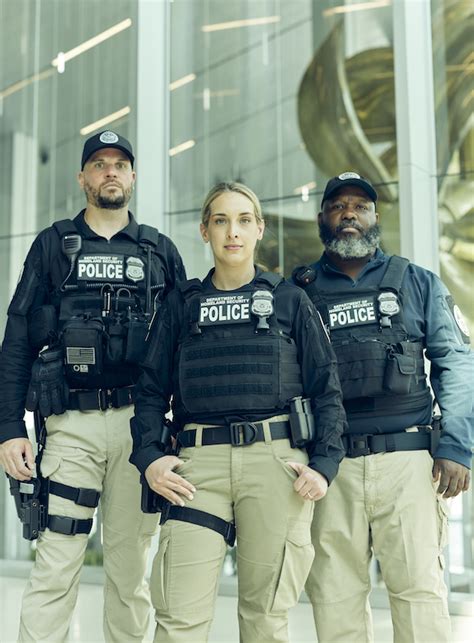
Security efforts connected to tournament activities extend well beyond airports. The Federal Air Marshal Service (FAMS) and TSA Security Operations personnel have deployed teams to stadiums, Fan Fests, and transportation hubs located near match venues throughout the United States.
These deployments include sophisticated capabilities such as:
- Counter-Unmanned Aircraft Systems (C-UAS) designed to mitigate drone-related threats.
- Radiological and nuclear detection technologies.
- Additional explosive detection canine teams.
- Enhanced monitoring of critical surface transportation infrastructure supporting match operations.
The broad security posture reflects the growing complexity of protecting major public events while simultaneously managing record-breaking travel demand.
TSA PreCheck Continues to Offer Significant Advantages
As passenger volumes continue to rise, expedited screening programs are becoming increasingly valuable for frequent travelers.
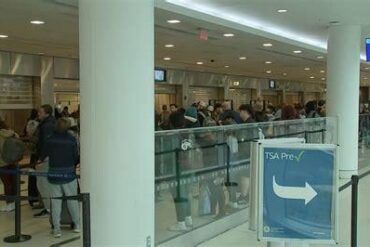
Passengers enrolled in TSA PreCheck generally enjoy shorter security lines and benefit from simplified screening procedures. Eligible travelers are typically permitted to leave shoes, belts, light jackets, laptops, and compliant liquids inside their bags during screening, significantly reducing checkpoint processing times.
TSA officials continue encouraging eligible passengers to enroll in trusted traveler programs as a means of easing congestion at standard security lanes while improving the overall passenger experience.
Although PreCheck lanes are also expected to remain busy during the holiday period, wait times are typically substantially shorter than those experienced in conventional screening queues.
Early Preparation Remains the Key to a Smooth Journey
Despite extensive agency preparations, TSA officials stress that passenger readiness remains one of the most important factors influencing checkpoint efficiency.
Travelers are strongly encouraged to arrive at airports well in advance of departure times, particularly when departing from major hubs. Verifying identification requirements, reviewing airline notifications for schedule changes, and understanding carry-on baggage restrictions can help avoid unnecessary delays.
Packing prohibited items in checked luggage rather than carry-on bags can also prevent additional screening procedures that slow checkpoint operations for everyone.
The upcoming Fourth of July travel period serves as another reminder of the enormous logistical challenge involved in securing modern air transportation. Successfully screening nearly 19 million passengers in just one week will require not only advanced technology and adequate staffing, but also cooperation from travelers themselves.
As Americans prepare to celebrate Independence Day, careful planning may prove to be the simplest way to navigate what is expected to be one of the busiest weeks ever witnessed in US aviation.