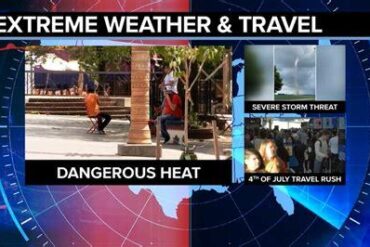
Europe is grappling with an unprecedented wave of extreme heat that has now spread to Croatia, joining the United Kingdom, Portugal, Spain, France, Italy, Turkey and Serbia under sweltering skies. Temperatures soaring well above historical highs are testing the limits of tourism infrastructure, disrupting flights and rail services, and forcing travelers to rethink summer itineraries. As American tourists plan their July Fourth escapes, understanding the scope and impact of this historic heatwave is more critical than ever.
Across the continent, hotels are scrambling to keep rooms cool, airlines are bracing for tarmac cancellations as runway surfaces crack under the sun, and rail operators are imposing speed restrictions or suspending service to protect tracks from warping. For US visitors hoping to celebrate Independence Day in Europe, the question is clear: press on with carefully adjusted plans or seek cooler alternatives?
The stakes could not be higher. With major destinations facing record‐breaking highs and sweltering nights, travelers must weigh the allure of ancient cities and sun-drenched beaches against safety concerns and logistical hurdles. Below, we provide a comprehensive overview of the unfolding crisis and what every American vacationer needs to know.
Continental Crisis Tests Europe’s Travel Infrastructure
From Lisbon’s eastern plains to the Adriatic coast, Europe’s once-predictable summer climate has turned volatile. In many regions, daytime temperatures exceed 104 °F (40 °C) and scarcely drop more than a few degrees after sunset, offering little respite. Hotels are running high-capacity air conditioning systems around the clock, but rising energy demands and power outages threaten guest comfort. Airlines face payload restrictions—hot air reduces lift, forcing carriers to limit passenger or cargo loads—and many flights have been delayed or canceled as ground crews contend with overheated equipment. Rail networks, vulnerable to track buckling, are operating at reduced speeds or shuttering lines entirely in heat hotspots. This strain on transport and hospitality underscores the fragility of a tourism economy built on endless sunshine.
Spain’s Scorching Reality
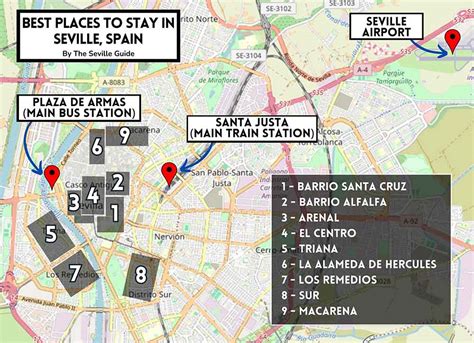
Seville’s mercury recently peaked near 115 °F (46 °C), with nighttime lows hovering around 77 °F (25 °C), transforming evenings into stifling endurance tests rather than cool retreats. Hotels in Andalusia have invested in industrial-scale air conditioning and are advising guests to schedule sightseeing during the early morning or late evening. Tour operators are reworking itineraries: flamenco shows now start at dusk, and guided walks through Moorish palaces take place before dawn. Despite these measures, heat illness cases have risen, prompting local authorities to establish emergency cooling stations in public squares. With summer tourism supplying a substantial portion of Spain’s annual revenue, the industry faces an existential balancing act between safeguarding visitors and preserving economic lifelines.
Portugal’s Double-Edged Weather
In Mora, east of Lisbon, temperatures soared to nearly 116 °F (46.5 °C) amid a bizarre mix of extreme heat, sudden thunderstorms and even a colossal roll cloud that astonished beachgoers. Resorts along the Silver Coast have extended pool hours and deployed misting fans, while museums and historic sites adjust opening times to avoid midday peaks. Yet unpredictable storms have flooded streets and forced temporary closures of outdoor attractions. As Portuguese hospitality operators wrestle with this weather paradox, they emphasize health-first messaging and collaborate with meteorologists to fine-tune guest advisories.
Italy Under Heat Siege
Seventeen major Italian cities, including Rome and Milan, recorded temperatures above 104 °F (40 °C). In Palermo, a heat-related fatality prompted authorities to impose outdoor work bans and mobilize emergency medical teams. Rolling power outages have complicated hotel operations, leaving some properties without air conditioning during critical hours. Rome’s iconic landmarks—Colosseum, Vatican Gardens—have resorted to early-entry tickets and shaded retracing circuits to manage crowds and reduce exposure. With domestic and international bookings still robust, Italian tourism leaders warn that continued heat could deter spontaneous travelers and dampen spending at cafés, galleries and open-air markets.
France Faces Red Alerts
Sixteen French regions, including Île-de-France around Paris, are under red weather alerts as highs near 104 °F (40 °C). Nearly 2,000 schools have closed, and public pools operate extended hours to offer relief. Parisian hotels have reconfigured communal spaces into cool lounges and provided complimentary water stations. In the Loire Valley and Grand Est, agritourism farms—once a draw for heat-weary visitors—are curtailing outdoor activities and offering shaded vineyard tours. The cumulative effect is a shift in visitor patterns: museum bookings have climbed, while river cruises and garden walks see midday lulls.
Turkey’s Fiery Devastation
Western Turkey has confronted its worst wildfire season in years. In Izmir province, blazes forced the evacuation of over 50,000 residents and tourists, and Izmir Adnan Menderes Airport shut down temporarily, canceling dozens of flights. Smoke and ash have degraded air quality, raising respiratory health concerns. Antalya and Bodrum report cancellations as travelers rethink beach vacations amid fire risk. Airlines and tour operators are closely monitoring evolving fire fronts, and many have issued flexible rebooking policies to accommodate safety‐driven itinerary changes.
Balkan Heatwave Spreads
The Balkans are feeling the full force of this continental heat dome. Serbia logged its hottest day since the 19th century, sending temperatures beyond 105 °F (41 °C). In Montenegro, coastal visitors are fleeing to the cooler Durmitor mountains. Croatia, fresh to the heatwave, is battling wildfire flare-ups near Dalmatian resorts. Emergency water rationing plans are in place, and health ministers broadcast daily advisories. Despite the warnings, summer tourism demand remains high, with many travelers drawn to Croatia’s Adriatic allure.
Industry-Wide Effects and Traveler Adaptations
The summer heat is reshaping the travel industry’s risk calculus. Insurance providers are updating policies to exclude cancellations solely due to high temperatures, though they continue covering heat-related medical emergencies. Airlines face increased fuel consumption and reduced payload capacities, driving up ticket prices and prompting schedule adjustments. Tour operators and hotel chains are proactively offering “cool-season” promotions for autumn and spring departures. Meanwhile, travelers are revising packing lists—adding UV-protective clothing, portable fans and extra water bottles—and reordering daily plans to prioritize mornings and evenings.
Croatia’s Fourth of July Allure Under Fire
For US tourists yearning to experience Dubrovnik’s medieval walls, Split’s Roman ruins or Hvar’s glamorous nightlife, Croatia still promises unforgettable scenery and culture—even as daytime highs top 104 °F (40 °C). Coastal breezes off the Adriatic provide pockets of relief, and shaded alleyways offer cooler sanctuaries. Early July bookings remain strong, driven by American travelers seeking unique Independence Day celebrations abroad. Yet Croatian hoteliers are preparing for peak heat: installing blackout curtains, upgrading A/C units and offering chilled towels and hydration stations in every room.
Must-See Destinations and Experiences
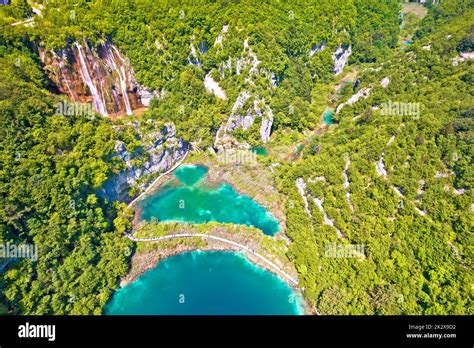
Dubrovnik continues to captivate with sunrise walking tours atop its historic walls, followed by ocean swims before the sun climbs too high. Split’s Diocletian’s Palace cellars offer naturally cool underground explorations that contrast with the city’s bustling Riva promenade. On Hvar, luxury resorts host evening Independence Day barbecues and fireworks displays while hidden coves and pine forests on the island’s south side deliver shade and serenity. Inland, Plitvice Lakes National Park draws visitors to its cascading waterfalls and tree-lined boardwalks—temperatures here can be up to 10 °F cooler than the coast, making early-morning visits ideal.
Essential Activities and Independence Day Festivities
Tourism experts recommend restructuring daily rhythms: explore sites before 10 a.m., retreat indoors or to shaded cafés between 11 a.m. and 4 p.m., and resume activities as the sun wanes. Many Croatian hotels and restaurants mark July Fourth with themed menus—think American-style barbecues alongside fresh Adriatic seafood—and local expat communities often organize fireworks over the water. Boat charters around the Elaphiti Islands or Hvar’s Pakleni isles remain a popular way to stay cool while enjoying coastal vistas.
Accommodation, Transport and Budget Considerations
Luxury beachfront hotels in Dubrovnik and Split command rates from $250 to $450 per night for Fourth of July week, while inland retreats and smaller coastal towns offer more budget-friendly options at $150–$250. Meals at mid-range restaurants average $15–$40 per person, and guided boat or walking tours start around $50. Croatia’s ferry network connects major islands but often sells out in high season; travelers should book crossings and car rentals well in advance. Rail delays due to heat may affect transfers between Zagreb and coastal hubs, so consider private shuttles or flights to minimize risk.
Health Precautions and Smart Travel Tips
Stay hydrated by carrying a refillable water bottle and refilling at public stations. Wear loose, breathable fabrics, a wide-brimmed hat and high-SPF sunscreen, and avoid outdoor excursions between 11 a.m. and 3 p.m. Identify air-conditioned refuges—museums, shopping arcades or modern hotel lobbies—when planning your route. Travel insurance that covers heat-related medical treatment is highly recommended. Finally, book activities and accommodations early to secure the best rates and cancellation flexibility.
Preparing for a Changing Climate: The Road Ahead
Croatia and its European neighbors are investing in long-term adaptations: expanding shaded public spaces, revising attraction schedules, and enhancing emergency response protocols for heat events. For US tourists, staying informed through official weather alerts and local advisories will be essential. While the Land of a Thousand Islands continues to shine with its natural beauty and rich heritage, navigating a summer defined by record temperatures requires foresight, flexibility and respect for the new climate reality.
This July Fourth, with smart planning and safety first, American travelers can still savor Croatia’s coastal gems, historic cities and natural wonders—while rising to the challenges of Europe’s hottest summer on record.