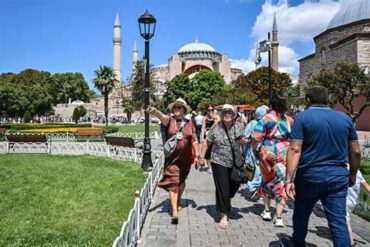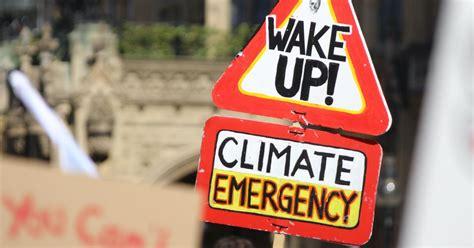
Spain, Greece, Portugal, and the UK are currently grappling with an intensifying climate emergency as relentless heatwaves sweep across borders, igniting wildfires and straining emergency services. This unprecedented surge in extreme temperatures has forced governments into crisis mode while tourists scramble to adapt their survival strategies, highlighting the urgent need for action amid escalating climate instability throughout Europe.
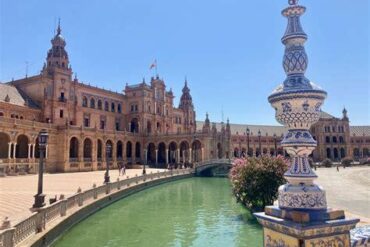
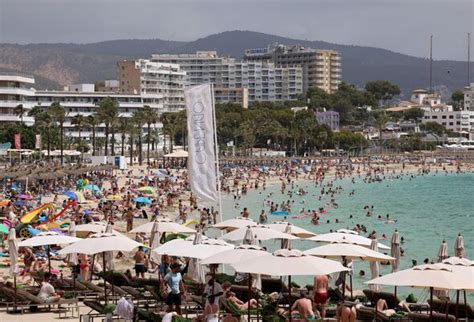
In Spain, particularly in the popular holiday destination of Majorca, the situation has reached alarming proportions. As temperatures soar to 39°C, weather authorities have issued an amber alert, urging both locals and tourists to take immediate precautions. This extreme heat poses serious health and safety risks, particularly for vulnerable populations such as the elderly and young children. Prolonged exposure to these high temperatures can lead to severe conditions such as heat exhaustion, dehydration, and heatstroke. Medical professionals emphasize that consistent hydration and seeking shade are essential strategies for surviving this intense climate.
Emergency measures were swiftly activated by local officials as temperatures continued to rise throughout the day. By the evening, Majorca had experienced one of its hottest days of the summer, with forecasts predicting a temporary dip midweek, only for conditions to escalate again towards the weekend. Tourists are now being advised to adjust their routines significantly; outdoor activities during peak hours (typically between 12 PM and 4 PM) are deemed highly risky. To mitigate heat-related illnesses, visitors should limit physical exertion during these critical hours, favor indoor or shaded environments, increase their water intake substantially, avoid caffeine and alcohol, and wear lightweight, breathable clothing. Many resorts and hotels are proactively issuing heat advisories, providing essential guidance on how to remain safe and comfortable amidst the oppressive heat.
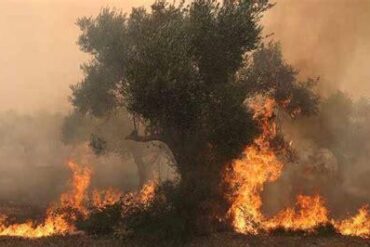
The extreme heat is not confined to Majorca alone. Across southern Europe, regions are witnessing similar conditions, with countries facing escalating incidents due to soaring temperatures. Greece’s island of Chios has become a focal point of crisis, where high temperatures combined with strong winds have sparked devastating wildfires. The government has declared a state of emergency as flames have consumed homes and vegetation, forcing evacuations in multiple areas. Firefighting teams are working around the clock to contain the blaze, but the ongoing heatwave complicates their efforts, with dry conditions exacerbating the spread of fires.
Portugal is also feeling the brunt of this climate crisis, reporting record-breaking temperatures of 40.5°C this week—marking the country’s most intense heat surge of the year. Emergency medical services are seeing a significant uptick in heat-related health complaints, particularly in inland areas where shade and breezes are scarce. To provide relief for both residents and tourists, several towns have opened cooling centers, reflecting a broader weather pattern gripping southern Europe. This shift signals a concerning trend of heatwaves arriving earlier, lasting longer, and reaching unprecedented peaks compared to previous years.
Even the UK, traditionally known for its milder summers, is experiencing multiple heatwaves this season. Meteorologists predict another bout of high temperatures towards the end of the month, adding stress to travel, healthcare systems, and increasing demand for water and energy. British holidaymakers planning trips abroad are now faced with the dual challenge of navigating intense heat at home and at their destinations. In response, travel agencies are adjusting their guidelines, recommending earlier check-ins for activities and excursions to avoid the hottest parts of the day.
Hotels and resorts across southern Europe are investing in enhanced cooling systems, providing guests with additional support such as complimentary water, fans, and shaded rest areas. The tourism industry, a cornerstone of the economy in regions like Majorca, must now confront pressing questions regarding how to ensure the safety of large numbers of visitors during extreme weather events. Health safety has become as paramount as comfort and leisure for today’s travelers, compelling destinations to evolve rapidly in their responses.
Public health agencies continue to stress key prevention strategies, including:
- Staying indoors during peak heat hours.
- Utilizing high SPF sunscreen.
- Drinking ample fluids.
- Wearing wide-brimmed hats.
- Monitoring signs of heat stress closely.
Symptoms such as dizziness, nausea, confusion, or rapid heartbeat require immediate medical attention and should not be overlooked. As the heatwave persists across Spain, Greece, Portugal, and beyond, a strong message emerges: preparation is essential. Everyone, whether at home or abroad, must take responsibility for safeguarding their health and well-being. High temperatures have transitioned from mere seasonal inconveniences to genuine threats, necessitating heightened awareness, adaptability, and proactive measures.
Spain, Greece, Portugal, and the UK are confronting a relentless climate crisis characterized by extreme heatwaves crossing national borders. This situation demands urgent emergency responses and compels tourists to adopt survival tactics amidst soaring temperatures and mounting environmental threats. In Majorca and other sun-soaked holiday destinations, visitors can still enjoy their vacations, but they must do so with care. Simple actions such as seeking shade, avoiding strenuous activities, and maintaining regular hydration can be the difference between a safe trip and a serious health incident. With summer just beginning and forecasts indicating more heatwaves on the horizon, it is evident that responsible tourism and public safety planning will play a pivotal role in navigating these challenging conditions.