As the summer travel season heats up, Dulles International Airport has joined the ranks of major U.S. airports facing a serious health crisis linked to a measles outbreak. This alarming situation unfolds alongside similar alerts at Los Angeles International Airport (LAX), Seattle-Tacoma International Airport, Denver International Airport, Logan International Airport, and Chicago O’Hare. Infected travelers have potentially exposed hundreds across various flights, metro systems, and arrival hubs, leading to a nationwide health alert that underscores the urgent need for heightened vigilance among travelers.
The Centers for Disease Control and Prevention (CDC) has confirmed that as of June 2025, there are 1,197 confirmed measles cases across 35 states, with three tragic deaths reported. Most of these cases involve unvaccinated individuals, highlighting a growing public health concern. The measles virus is one of the most contagious diseases known, capable of infecting up to 90% of unvaccinated people who come into contact with it. A single infected traveler at Dulles recently triggered a widespread alert, exposing countless individuals as they navigated through busy terminals, public transportation, and local communities.
Why This Matters Now
The implications of this outbreak are significant, especially given the historical context of measles in the United States. Once declared eradicated in 2000, measles is making a dangerous comeback due to falling vaccination rates. According to a study conducted by Johns Hopkins University, 78% of U.S. counties have seen declines in MMR (measles, mumps, rubella) vaccine coverage. The national vaccination rate has now dropped to 91%, below the critical 95% threshold needed for herd immunity. This decline can be attributed to pandemic-related healthcare disruptions and a troubling rise in vaccine misinformation, fueled by political discourse and recent decisions regarding public health advisory committees.
Symptoms and Risks
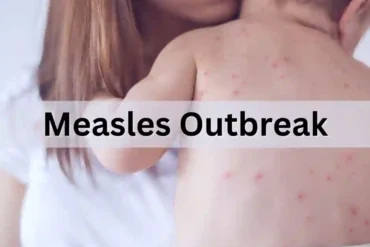
Measles often begins with cold-like symptoms such as fever, cough, runny nose, and red, watery eyes. These initial signs are typically followed by a distinctive rash that spreads across the body. The severe consequences of measles can include complications like pneumonia, encephalitis, and even death. Infants, young children, and immunocompromised individuals are particularly vulnerable. Travelers who may have been exposed are strongly urged to verify their vaccination status and monitor for symptoms for up to 21 days following potential contact.
Why Airports Are High-Risk Zones
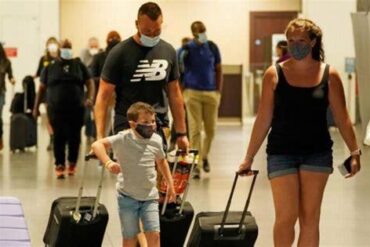
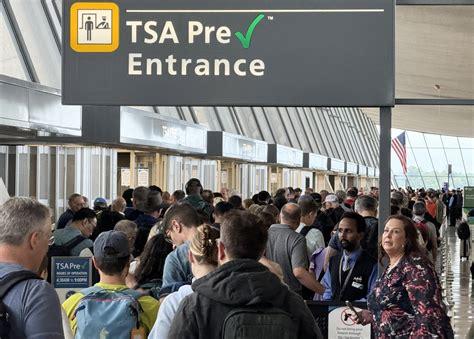
Airports are inherently high-risk environments for infectious disease transmission. The crowded conditions of security lines, shuttle buses, and terminals create perfect scenarios for viruses to spread. For example, a traveler with measles at Seattle-Tacoma International Airport spent the night at a hotel before returning to the airport, potentially exposing fellow passengers, hotel staff, and service workers. Similar situations have unfolded in other airports, indicating a broader pattern that poses a growing national threat.
Travel Advisory for US and International Flyers
In light of the ongoing outbreak, the CDC strongly advises all travelers, especially those heading to or arriving from international destinations, to ensure they are fully vaccinated against measles. This includes receiving two doses of the MMR vaccine. The recommended schedule is one dose between 12-15 months and a second dose between 4-6 years. Adults unsure of their immunity should consult healthcare providers for guidance. If you experience any symptoms while traveling, it is crucial to isolate immediately and seek medical attention.
What Can Be Done Now?
Health officials are intensifying their warnings and surveillance efforts in response to this outbreak. The CDC, local health departments, and airport authorities are collaborating on strategies to contain the spread. However, individual responsibility plays a pivotal role in mitigating risk. Travelers should take proactive measures, including:
- Verifying vaccination status before travel
- Wearing masks in crowded areas if feeling unwell
- Reporting symptoms early to limit exposure
Public health advocates are calling for enhanced educational campaigns, particularly in regions with low vaccine uptake, to combat misinformation and promote vaccine acceptance.
A National Wake-Up Call
The resurgence of measles signals a broader public health issue that could lead to a return to an era many Americans believed was behind them. With hundreds of thousands of passengers traveling daily, the risk of outbreaks looms large. Each unvaccinated traveler could become a potential carrier, exacerbating the situation and triggering local outbreaks. The U.S. cannot afford to dismiss these warnings. Measles spreads rapidly, poses serious health risks, and is returning due to complacency and declining vaccination rates.
Health Alert at Dulles Airport: Infected Traveler Triggers Measles Exposure Warning
A serious health alert has been issued at Washington Dulles International Airport after an infected traveler moved through busy terminals and public transport, exposing hundreds of passengers. The confirmed case, linked to an international flight, has raised alarms about a potential nationwide resurgence of measles. Travelers who passed through Concourse A, airport shuttles, the International Arrivals Building, and baggage claim on June 8, particularly between 10:30 AM and 1:00 PM, may be at high risk of infection.
From Airplane to Metro: A Trail of Exposure
The risks extend beyond the airport confines. After landing, the infected individual used Washington Metro’s Silver Line, transferring to the Red Line toward Shady Grove during peak travel hours. Given measles’ ability to infect 9 out of 10 unvaccinated individuals, officials are urging anyone present during this time frame to verify their MMR vaccination status.
What Makes Measles So Dangerous?
Measles is not merely a benign illness; it ranks among the most infectious diseases globally. Initial symptoms may resemble those of a cold, but they can escalate rapidly to include white spots in the mouth, widespread rashes, ear infections, and dangerously high fevers. In severe cases, measles can lead to pneumonia, brain swelling, or death, with statistics indicating that 1 to 3 out of every 1,000 infected individuals die, predominantly affecting children or those with weakened immune systems.
Vaccination Rates Falling Below Safe Levels
The CDC has issued warnings about declining MMR vaccination rates, which are leaving the population vulnerable to outbreaks of diseases once considered eradicated. The official elimination of measles in the U.S. occurred in 2000, but a recent study revealed that 78% of counties have experienced drops in vaccination rates over the past year. The national average has fallen below the critical threshold, settling at just 91%. This decline leaves millions of Americans exposed, especially infants too young to be vaccinated.
Travelers Urged to Act Now
Health experts stress the importance of ensuring full vaccination for all travelers, particularly those journeying to or from international destinations. Adults born after 1957 should review their vaccination records or consider receiving an MMR booster if uncertain about their immunity. Infants aged 6 to 11 months traveling internationally are advised to receive an early dose of the vaccine. The standard two-dose schedule remains vital: the first dose should be administered between 12-15 months, followed by a second dose between 4-6 years. Anyone who may have been at Dulles Airport or on the Metro system during the exposure window should monitor for symptoms until June 23 and report any signs to health authorities.
Why This Matters for the Travel Industry
This outbreak transcends mere public health; it serves as a wake-up call for the entire travel and tourism sector. Airports, airlines, and transport hubs are crucial points in the battle against infectious diseases. With summer travel on the rise, health risks are also increasing. The industry must implement real-time alerts, airport health screenings, and vaccine verification systems to mitigate these risks, especially as families resume post-pandemic travel. Destinations reliant on tourism must prepare for potential outbreaks if vaccination gaps continue to widen.
Final Thoughts: Immunity Is the New Travel Insurance
As the number of measles cases continues to rise, it is evident that measles is no longer a relic of the past. It has returned, traveling via planes, trains, and public transit to reach new communities. However, there is a path to protection. Vaccines are safe, effective, and widely available. In 2025, travelers need more than just passports and boarding passes; immunity has become the new essential for safeguarding health—for oneself and for the greater good.